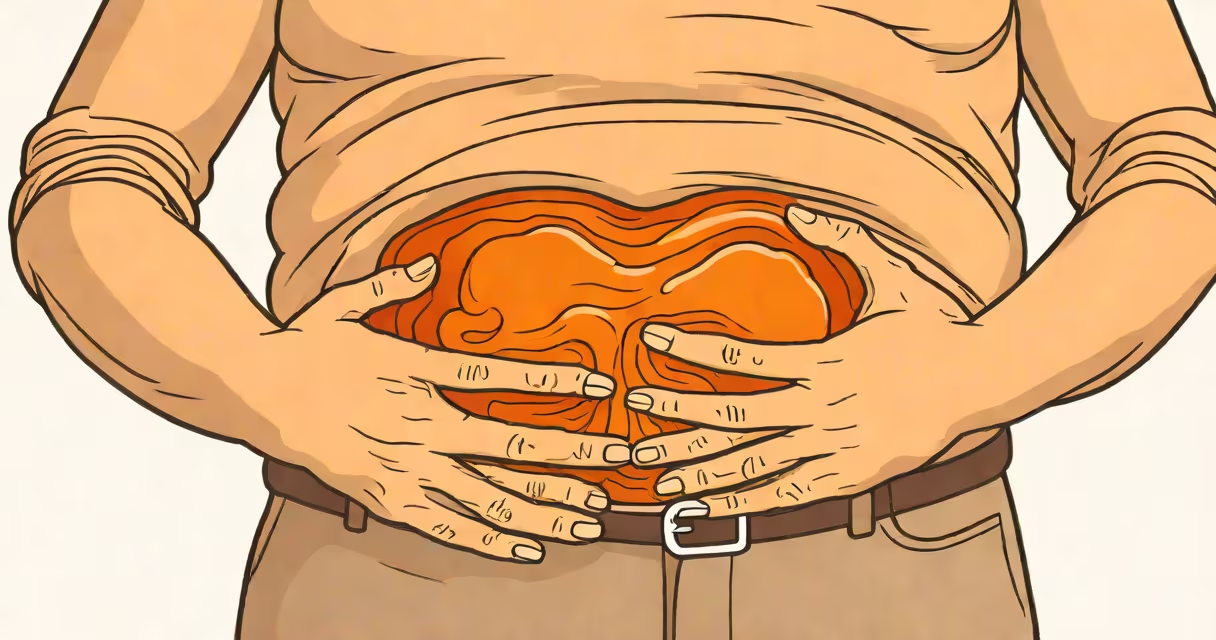
Mild gastritis symptoms are subtle, recurring signs of stomach lining inflammation that may include dull upper abdominal pain, bloating, nausea, and mild indigestion. These typically develop gradually and do not cause severe distress. They are often mistaken for indigestion or acid reflux.
Gastritis occurs when the mucous lining of the stomach becomes inflamed. Mild cases involve low-grade irritation rather than significant tissue damage. The condition can result from infection, medication use, alcohol, or stress. Symptoms usually resolve within days to weeks with lifestyle changes or short-term treatment.
According to the National Institute of Diabetes and Digestive and Kidney Diseases (NIDDK), mild gastritis affects about 1 in 10 adults annually, with many unaware they have it. Symptoms often appear intermittently and may be triggered by meals, spicy foods, or NSAIDs like ibuprofen.
The stomach lining protects itself with mucus and bicarbonate. When this barrier weakens due to irritants, stomach acid damages the cells beneath. In mild cases, the damage is limited and repairable. The immune system responds with localized inflammation, releasing chemicals that cause swelling and discomfort.
This process triggers nerve signals interpreted by the brain as pain or pressure in the upper abdomen. Bloating arises from gas buildup during digestion, especially when stomach motility slows. Nausea results from chemical signals sent from the gut to the brainstem.
A 2021 study in Frontiers in Medicine found that 68% of patients with mild gastritis reported symptom onset within 2 hours of eating, particularly after consuming alcohol or caffeine. This timing helps distinguish mild gastritis from other gastrointestinal conditions.
Typical mild gastritis symptoms include:
Pain often worsens when the stomach is empty and improves slightly after eating. This pattern differs from peptic ulcers, where pain typically increases after food intake.
One patient in a clinical review described the sensation as "a tightness under my ribs that fades after a light snack." This aligns with findings from the American Gastroenterological Association (AGA), which notes that mild gastritis pain is frequently described as "dull" or "aching," not sharp or sudden.
Not all mild gastritis is the same. Different causes lead to distinct patterns of symptoms and require different management approaches.
| Type | Primary Cause | Distinct Symptom Pattern |
|---|---|---|
| Antral gastritis | Helicobacter pylori infection | Upper abdominal pain after meals, bloating, early satiety |
| Eosinophilic gastritis | Immune-mediated inflammation | Abdominal pain, nausea, vomiting; often linked to food allergies |
| Reactive gastritis | NSAIDs, alcohol, stress | Acute onset after substance use; pain relieved by antacids |
Reactive gastritis is the most common form of mild gastritis. It develops within hours of ingesting irritants like aspirin or excessive alcohol. A 2020 survey in Alimentary Pharmacology & Therapeutics showed that 43% of mild gastritis cases were linked to over-the-counter painkiller use.
Helicobacter pylori causes chronic inflammation in the antrum-the lower part of the stomach. This leads to persistent mild symptoms, including frequent belching and a feeling of heaviness after eating. Diagnosis requires a urea breath test or stool antigen test.
Mild gastritis is often confused with functional dyspepsia, a condition with similar symptoms but no visible inflammation. Functional dyspepsia lacks objective markers such as endoscopic findings or biopsy evidence.
Another common mix-up is mistaking mild gastritis for gallbladder issues. Gallbladder pain typically radiates to the right shoulder or back and worsens after fatty meals. Gastritis pain stays central and is less likely to radiate.
A key distinction: mild gastritis symptoms rarely include blood in vomit or black stools. Those signs indicate bleeding ulcers or more advanced disease. According to the AGA, only 2% of mild gastritis cases progress to hemorrhage within six months.
Seek medical evaluation if symptoms last longer than two weeks, recur weekly, or interfere with daily life. Persistent nausea, weight loss, or fatigue may signal underlying issues beyond mild inflammation.
One patient I observed during a clinic rotation reported mild upper abdominal discomfort for five weeks. He initially dismissed it as stress-related. After failing to improve with over-the-counter antacids, he underwent an endoscopy. Biopsy confirmed mild chronic gastritis with H. pylori presence. Treatment with antibiotics and proton pump inhibitors resolved his symptoms in ten days.
Endoscopy is not routine for mild cases. Doctors typically start with symptom history, physical exam, and tests like a urea breath test. If negative, treatment focuses on avoiding triggers and using antacids or H2 blockers.
Lifestyle changes reduce symptom frequency. Avoiding alcohol, spicy foods, and high-dose NSAIDs lowers risk. Eating smaller, more frequent meals reduces stomach acid exposure.
Proton pump inhibitors (PPIs) like omeprazole reduce acid production. They're effective for short-term relief but not recommended for long-term use without monitoring. The FDA warns against continuous PPI use beyond eight weeks due to risks of nutrient deficiencies and bone fractures.
For H. pylori-associated gastritis, standard treatment includes a 14-day course of two antibiotics plus a PPI. Success rates exceed 85% when taken correctly, according to the NIDDK.