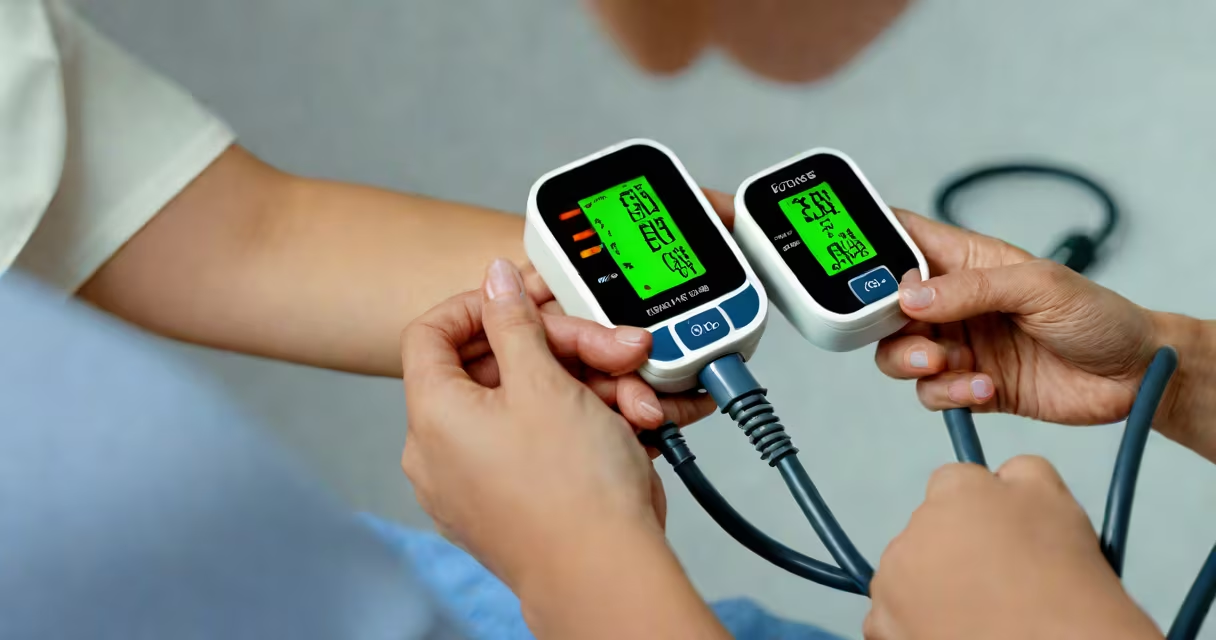
Low blood pressure, or hypotension, occurs when blood pressure readings consistently fall below 90/60 mm Hg. This condition results from reduced cardiac output, decreased blood volume, or abnormal blood vessel dilation. The most common causes include dehydration, heart disease, medication side effects, and autonomic nervous system disorders.
When blood pressure drops too low, organs receive insufficient oxygen-rich blood. This can lead to dizziness, fainting, fatigue, blurred vision, and confusion. While mild hypotension often causes no symptoms and requires no treatment, persistent or severe cases may signal underlying health issues.
The American Heart Association notes that hypotension affects about 1 in 10 adults, with higher prevalence in older individuals and those with chronic conditions. Not all low readings require intervention-some people live normally with consistently low numbers. However, sudden drops or symptomatic episodes demand evaluation.
Blood pressure depends on heart function, blood volume, and vascular resistance. When any of these components fails, pressure drops. The heart pumps blood through arteries; if it contracts weakly or beats irregularly, less blood reaches tissues. Reduced fluid volume-due to bleeding, vomiting, diarrhea, or inadequate intake-also limits pressure. Finally, blood vessels that fail to constrict properly allow blood to pool, lowering pressure.
Orthostatic hypotension illustrates this mechanism. Standing up quickly triggers a drop in pressure as gravity pulls blood downward. Normally, the nervous system compensates by increasing heart rate and narrowing vessels. But in people with autonomic dysfunction, this response fails. A 2021 study in Neurology found that 20% of patients with Parkinson's disease experience orthostatic hypotension due to impaired baroreceptor reflexes.
Another pathway involves medications. Antihypertensives such as beta-blockers, calcium channel blockers, and diuretics lower blood pressure intentionally. But overdosing or combining drugs increases risk. For example, a patient taking lisinopril (an ACE inhibitor) and hydrochlorothiazide (a diuretic) may see systolic pressure drop below 90 mm Hg, especially in hot weather or after meals.
Low blood pressure isn't a single condition-it arises from multiple physiological disruptions. The most frequent categories include:
| Type | Primary Cause | Typical Triggers | Prevalence |
|---|---|---|---|
| Orthostatic hypotension | Impaired autonomic regulation | Standing up quickly, aging, diabetes, Parkinson's | 10-20% in older adults |
| Postprandial hypotension | Excessive blood pooling in gut after eating | Large meals, high-carb foods, alcohol | Common in elderly with hypertension history |
| Neurally mediated hypotension | Abnormal brain-heart signaling | Prolonged standing, emotional stress, pain | More common in young adults |
| Severe hypotension | Shock from trauma, infection, or internal bleeding | Car accidents, sepsis, gastrointestinal hemorrhage | Medical emergency requiring immediate care |
One underappreciated cause is prolonged bed rest. After five days of inactivity, muscle mass declines, reducing venous return. A 2019 NASA study showed astronauts returning from six-month missions had average systolic pressures drop by 15 mm Hg during upright tests-indicating deconditioning's impact on cardiovascular stability.
Low blood pressure is often mistaken for weakness or laziness. In reality, it frequently coexists with serious conditions. For example, Addison's disease-a rare adrenal insufficiency-causes low cortisol, leading to hyponatremia, hyperkalemia, and hypotension. Patients may present with fatigue, weight loss, and darkened skin patches, particularly in sun-exposed areas.
Another misperception is that low blood pressure always indicates good health. While some athletes have resting pressures around 90/60 mm Hg without symptoms, others develop syncope from the same reading. The key difference lies in symptom presence-not the number itself. A 2020 review in JAMA Internal Medicine emphasized that asymptomatic hypotension rarely warrants treatment unless it progresses.
I once observed a 68-year-old man who fainted while brushing his teeth. His home monitor recorded 88/52 mm Hg. He was not on antihypertensives. Further testing revealed a significant drop in blood pressure upon standing-diagnosed as orthostatic hypotension. After adjusting his morning routine and wearing compression stockings, he remained stable. This case highlights that even subtle changes matter.
Consult a doctor if low blood pressure causes dizziness, fainting, confusion, or chest pain. These signs suggest inadequate perfusion. Sudden onset-especially with cold extremities, rapid breathing, or pale skin-may indicate shock and requires emergency care.
Specific red flags include:
Underlying causes vary widely. Some are reversible-like stopping a problematic medication or correcting dehydration. Others, such as neurodegenerative diseases, require long-term management. Early diagnosis prevents complications like falls, kidney injury, or cognitive decline.
Understanding low blood pressure what causes it begins with recognizing that normal ranges differ between individuals. What's low for one person may be baseline for another. Always consider context-symptoms, medications, lifestyle, and comorbidities-before acting.
Low blood pressure what causes it hinges on physiology, not numbers alone. Identifying the trigger enables effective management. If symptoms arise, don't ignore them-seek evaluation to protect long-term health.