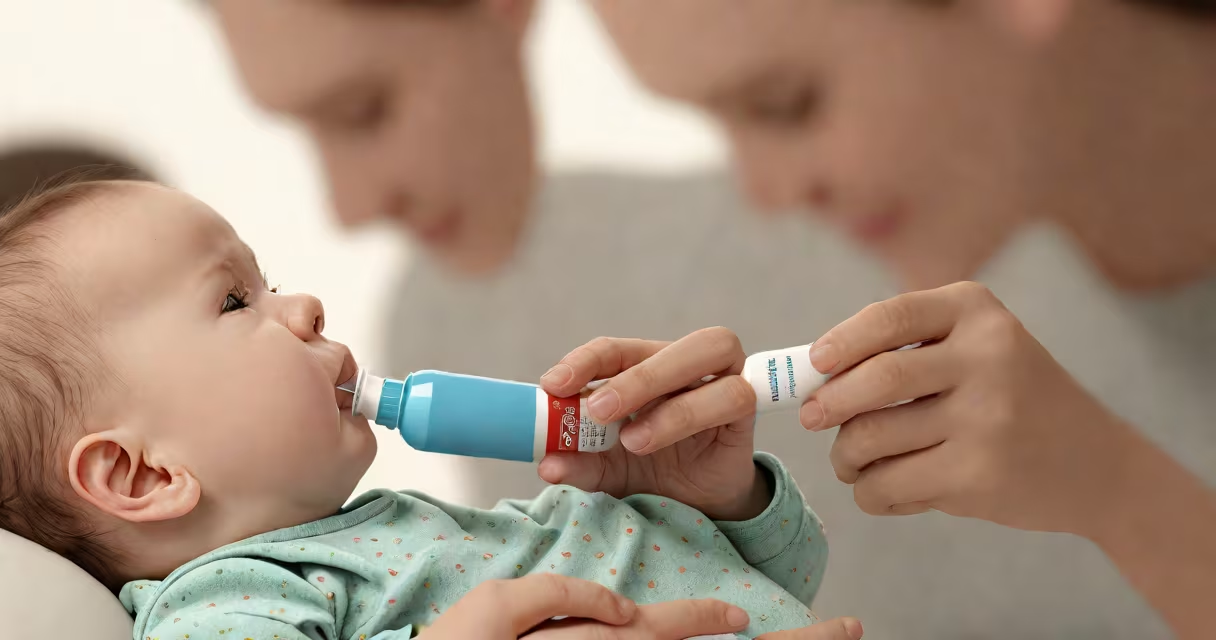
For infants under 3 months, do not give any over-the-counter fever reducer unless directed by a doctor. For babies 3 months and older, acetaminophen (Tylenol) is the recommended medication for fever reduction, with dosing based on weight. Ibuprofen (Advil) may be used for children 6 months and older.
Fever in infants is a sign the body is fighting infection. It is not a disease itself but a symptom. The American Academy of Pediatrics (AAP) states that fever in otherwise healthy infants is rarely harmful and does not cause brain damage. However, managing discomfort and monitoring for signs of serious illness is essential.
Infants under 3 months with a rectal temperature of 100.4°F (38°C) or higher require immediate medical evaluation. This age group cannot reliably communicate symptoms, and infections can progress rapidly. Parents should not delay seeking care due to concerns about medication use.
Acetaminophen is the primary medication approved for infants 3 months and older. It reduces fever and relieves mild pain. The correct dose is based on the infant's weight, not age. A typical dose is 10-15 mg per kg per dose, given every 4-6 hours as needed. Do not exceed five doses in 24 hours.
Ibuprofen is effective for reducing fever and inflammation but is only safe for infants 6 months and older. The standard dose is 5-10 mg per kg per dose, every 6-8 hours. It should not be used in dehydrated infants or those with kidney issues.
Never give aspirin to children under 18 years old due to the risk of Reye's syndrome, a rare but severe condition affecting the liver and brain. Avoid combination cold medications, which contain multiple ingredients and increase overdose risk.
| Medication | Age Eligibility | Dose (per kg) | Frequency | Max Doses/Day |
|---|---|---|---|---|
| Acetaminophen | 3 months+ | 10-15 mg | Every 4-6 hours | 5 |
| Ibuprofen | 6 months+ | 5-10 mg | Every 6-8 hours | 4 |
Always use a calibrated oral syringe or dropper to measure liquid medication. Household spoons vary widely in volume and can lead to overdosing. A 5 mL dose of infant acetaminophen suspension typically contains 160 mg per 5 mL. Confirm the concentration on the label before administering.
Hydration is critical during fever. Offer breast milk, formula, or small amounts of water (if age-appropriate) frequently. Dehydration worsens fever and increases risk of complications. Signs of dehydration include fewer wet diapers, dry mouth, and lethargy.
Clothing should be light and breathable. Overbundling traps heat and prevents cooling. Use a room thermometer to ensure the environment is between 68-72°F (20-22°C). A lukewarm bath (not cold) can help reduce fever by promoting heat loss through the skin. Avoid alcohol rubs or ice baths-they can trigger shivering and raise core temperature.
When fever persists beyond 24 hours despite medication, or if the infant appears lethargic, refuses fluids, or develops a rash, contact a healthcare provider. These signs may indicate a bacterial infection requiring antibiotics.
Many parents assume fever causes seizures. While febrile seizures occur in 2-5% of children under 5, they are not caused by high fever levels but by genetic predisposition. The AAP confirms that fever itself does not lead to brain injury or long-term harm.
Some caregivers use herbal teas or home remedies like ginger or turmeric. These lack clinical evidence for safety or efficacy in infants. The National Center for Complementary and Integrative Health warns against unregulated supplements in young children due to contamination risks and inconsistent dosing.
A common error is giving adult-strength acetaminophen. A single adult tablet contains 325 mg-far above the safe limit for infants. One 3-month-old weighing 12 pounds (5.4 kg) should receive approximately 54-81 mg per dose. Using adult formulations leads to overdose and potential liver damage.
During a visit to a pediatric clinic, I observed a mother bring her 4-month-old with a 101.5°F fever. She had given half a teaspoon of adult Tylenol. The infant was drowsy and had pale skin. Blood tests revealed elevated liver enzymes. The child required hospitalization for acetaminophen toxicity. This case underscores the danger of incorrect dosing and the need for precise measurement tools.
Call a doctor if the infant is under 3 months with any fever. For older infants, seek care if fever lasts longer than 24 hours, especially with irritability, poor feeding, or breathing difficulties. A fever above 104°F (40°C) warrants urgent evaluation.
Other red flags include a bulging fontanelle (soft spot), persistent vomiting, stiff neck, or seizure activity. These may indicate meningitis or other serious conditions. The CDC recommends that all infants with fever be evaluated by a clinician to rule out sepsis, urinary tract infections, or pneumonia.
Parents should not rely solely on fever as a guide to illness severity. Some infections, like urinary tract infections in infants, present only with fever and no other symptoms. Early diagnosis improves outcomes.
Understanding what to give infant for fever begins with recognizing that fever is a response, not a problem. Safe management centers on appropriate medication use, hydration, and knowing when to seek help. Always follow dosing instructions precisely and consult a pediatrician for unclear symptoms.