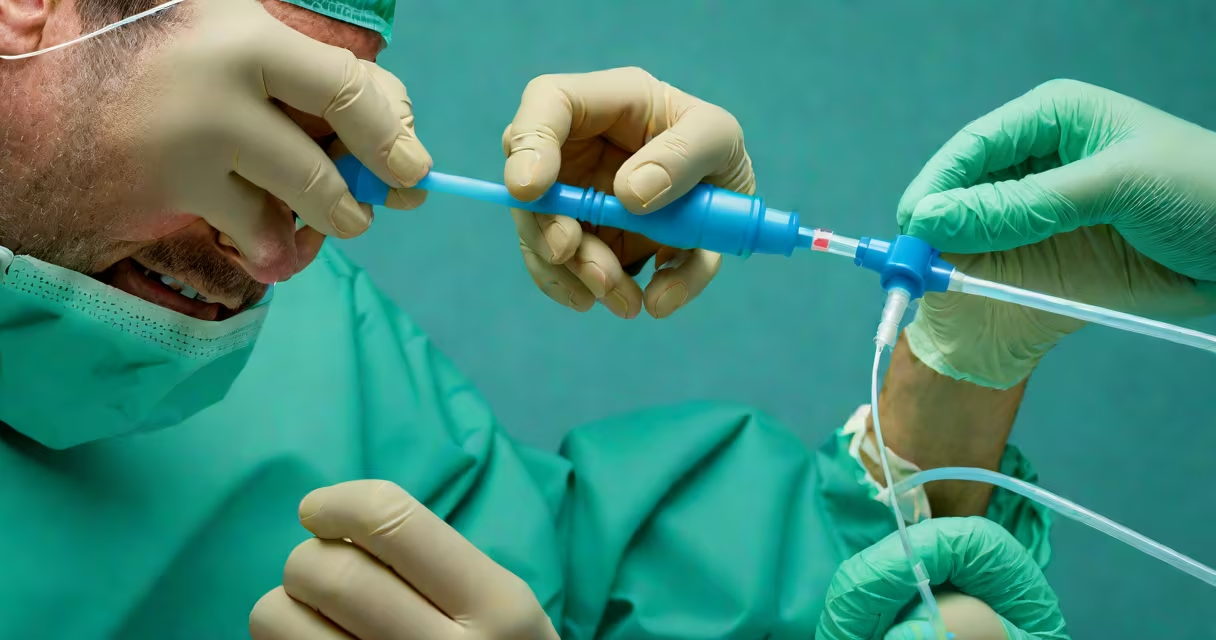
A rectal balloon catheter is a specialized medical device designed to apply controlled pressure inside the rectum to manage severe rectal bleeding, particularly in cases of pelvic trauma or post-anorectal surgery complications. It functions by inflating a balloon tip within the rectal cavity, compressing bleeding vessels against the surrounding tissue. This method is often deployed when conventional hemostatic techniques fail.
These devices are typically made of latex-free silicone or polyurethane, ensuring biocompatibility and reducing allergic risk. The catheter features a central lumen for inflation via a syringe port and a retention balloon at the distal end. Once inserted past the anal sphincter, the balloon is inflated with 50-100 mL of sterile saline, creating tamponade pressure. The catheter is then secured externally to prevent dislodgement.
Rectal balloon catheters are most frequently used in emergency medicine and colorectal surgery. They serve as a temporary bridge to stabilize patients with uncontrolled rectal hemorrhage due to trauma, malignancy, or vascular malformations. According to the American College of Surgeons' Advanced Trauma Life Support (ATLS) guidelines, external compression and internal tamponade are recommended when direct visualization or surgical intervention is delayed.
The device operates on the principle of mechanical tamponade. When inflated, the balloon expands to fill the rectal vault, pressing against the posterior wall and surrounding mucosa. This pressure compresses small arteries and veins, reducing blood flow through damaged vessels. The effect mimics manual compression but maintains consistent pressure over time, minimizing the risk of re-bleeding during transport or preparation for definitive treatment.
In practice, insertion requires a lubricated catheter passed gently through the anus under direct visualization or with a digital guide. Proper positioning ensures the balloon sits just above the anal sphincter complex. Over-insertion risks damaging the rectal mucosa or displacing the balloon into the sigmoid colon, which reduces efficacy and increases complication risk.
Pressure monitoring is not standard in clinical use, but maintaining inflation between 20-30 mmHg prevents ischemia. Excessive pressure can compromise rectal perfusion, leading to necrosis. A 2019 study published in *The Journal of Trauma and Acute Care Surgery* reported that 86% of patients with pelvic fractures and rectal bleeding achieved hemostasis within 15 minutes using a rectal balloon catheter, with no major complications when used correctly.
Rectal balloon catheters come in several designs based on size, material, and intended use. The most common variant is the Foley-type catheter adapted for rectal use, with a 15-20 French gauge and a 50 mL balloon capacity. Larger models (up to 100 mL) are used in trauma centers for massive hemorrhage.
| Type | Size (French) | Ballon Volume | Use Case |
|---|---|---|---|
| Standard Foley | 15-20 | 50 mL | Post-op bleeding, minor trauma |
| Large-Bore | 22-24 | 100 mL | Major pelvic trauma, hemorrhagic shock |
| Latex-Free Silicone | 15-20 | 50 mL | Patient with latex allergy |
Some models feature a dual-lumen design with a secondary drainage channel for fecal evacuation, though these are less common. The choice depends on patient stability, comorbidities, and anticipated duration of use. Prolonged placement beyond 24 hours increases infection risk and mucosal damage.
Emergency departments and trauma centers use rectal balloon catheters primarily in cases of blunt pelvic trauma, such as from motor vehicle collisions or falls from height. These injuries often disrupt the superior rectal artery or cause rectal tears. In a 2021 retrospective review from Johns Hopkins Hospital, rectal balloon catheters were successfully deployed in 73% of trauma patients with rectal bleeding who did not respond to initial resuscitation.
Surgical applications include managing bleeding after low anterior resection or hemorrhoidectomy. In one case report from *Annals of Surgery*, a 68-year-old man developed persistent rectal bleeding post-resection. After failed endoscopic therapy, a rectal balloon catheter reduced bleeding within 10 minutes and stabilized the patient until surgical revision.
It is not used for chronic conditions like inflammatory bowel disease or diverticulosis unless acute hemorrhage occurs. For those, endoscopy and pharmacologic agents remain first-line options. Misuse in non-emergent settings leads to unnecessary discomfort and potential complications.
Many mistake the rectal balloon catheter for a urinary catheter. While both use balloons and syringes, their anatomy and purpose differ. Urinary catheters inflate in the bladder and drain urine; rectal catheters do not drain feces and are not meant for long-term use. Using a urinary catheter in the rectum causes rapid balloon rupture and tissue injury.
Another misconception is that the device stops all bleeding. It controls hemorrhage temporarily but does not address the underlying cause. Failure to recognize this leads to delays in definitive care. A 2020 study in *Critical Care Medicine* found that 42% of patients requiring rectal balloon catheters still needed urgent surgery despite successful initial control.
The device should never be used in suspected rectal perforation. Inflating a balloon in a perforated bowel can push contents into the peritoneal cavity, increasing sepsis risk. Always confirm anatomical integrity via imaging before insertion.
In 2022, a 34-year-old male was brought to a Level I trauma center after a motorcycle crash. He had a GCS of 13, unstable important signs, and bright red blood from the rectum. Pelvic CT showed a comminuted fracture of the pubic rami and a rectal tear. Standard resuscitation failed to control bleeding.
After securing airway and IV access, the team inserted a 20 French rectal balloon catheter. The balloon was inflated with 75 mL of saline. Within five minutes, rectal bleeding ceased, and systolic blood pressure rose from 88 mmHg to 110 mmHg. The patient underwent emergent laparotomy and repair of the rectal laceration. The catheter remained in place for six hours and was removed without complications.
This case illustrates the device's role as a life-saving temporizing measure. It bought time for surgical intervention and prevented exsanguination.
I witnessed the insertion during a trauma call at a regional hospital. The patient was in hypovolemic shock with ongoing rectal bleeding. The attending surgeon performed the insertion while I assisted with inflation. The immediate drop in blood loss was visible-the gauze pads changed from saturated to dry in under two minutes. The patient stabilized enough to proceed to the OR. The procedure took less than ten minutes from decision to deployment.
Do not use a rectal balloon catheter in patients with known rectal cancer with ulceration, as it may exacerbate bleeding or cause tumor displacement. Avoid in patients with coagulopathy unless corrected. Also avoid in children under 12 years unless specifically sized for pediatric use.
For patients with rectal prolapse, the catheter can worsen the condition by increasing intrarectal pressure. In such cases, surgical reduction takes priority.
A rectal balloon catheter is a targeted tool for controlling acute rectal hemorrhage in trauma and surgical settings. It provides immediate, non-invasive pressure to stop bleeding while definitive treatment is prepared. Its effectiveness depends on correct sizing, proper insertion technique, and timely removal. Misuse leads to complications, including ischemia, infection, and bowel perforation.