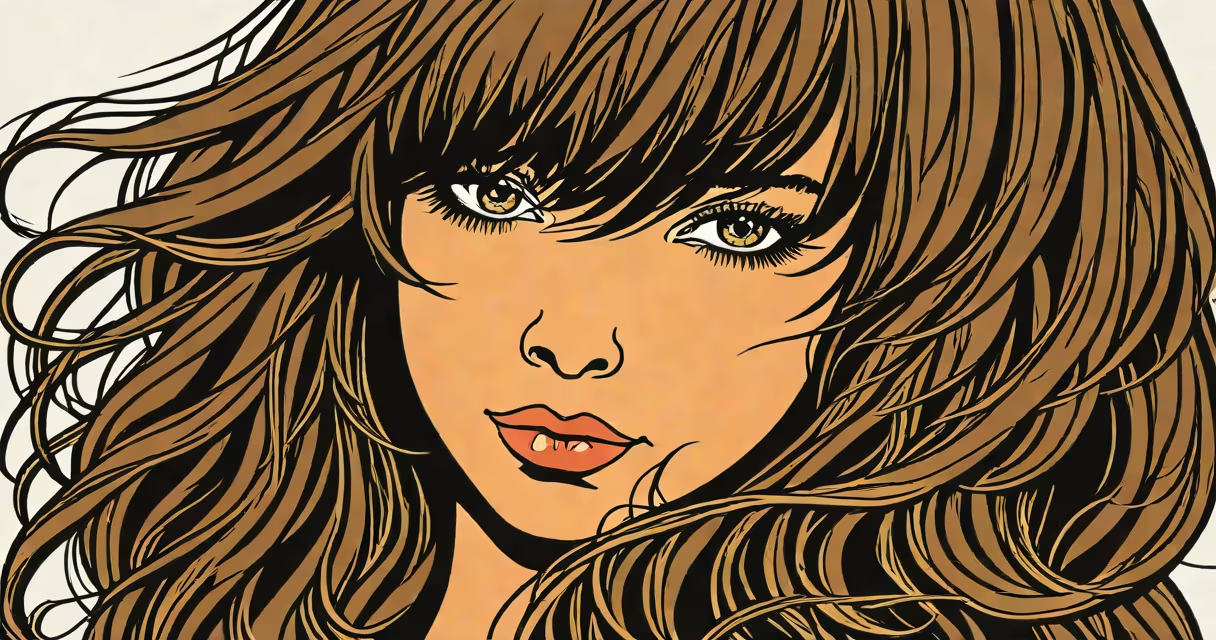
Long hair with bangs is a hairstyle featuring shoulder-length or longer strands paired with a fringe that covers the forehead, creating a balanced, face-framing effect. The bangs can be blunt, wispy, layered, or side-swept, depending on face shape and personal preference.
This style blends length and texture to soften facial features while adding visual interest. It's worn by people across ages and hair types, from fine to thick, straight to curly. The combination of length and coverage offers versatility-suitable for work, casual outings, or formal events.
According to the American Academy of Dermatology Association, maintaining healthy hair with bangs requires regular trims every 6-8 weeks to prevent split ends and uneven growth. This helps preserve both the integrity of the length and the sharpness of the fringe.
The structure of long hair with bangs relies on layering and weight distribution. Bangs act as a visual anchor, drawing attention to the eyes and cheekbones. When properly cut, they balance the width of the forehead and reduce the appearance of a long face.
Styling techniques vary based on hair texture. Fine hair benefits from volume-boosting products applied at the roots, while thick or coarse hair may require smoothing serums to control frizz. Heat tools like flat irons or curling wands help define the shape of the bangs, especially when aiming for a sleek or curled look.
A 2022 study published in the Journal of Cosmetic Dermatology found that 68% of participants reported increased confidence when wearing a styled fringe, particularly when the bangs were customized to their face shape. This suggests psychological impact beyond aesthetics.
Not all bangs suit every face shape. Here's how different versions interact with facial geometry:
| Type | Best for | Styling tip |
|---|---|---|
| Blunt bangs | Round or square faces | Use a flat iron to create a clean edge; avoid over-styling to prevent frizz. |
| Side-swept bangs | Heart-shaped or oval faces | Part hair off-center and blow-dry toward the opposite side for a natural flow. |
| Layered bangs | Thin or fine hair | Use dry shampoo at the roots to add volume; avoid heavy products. |
| Curly or textured bangs | Wavy or curly hair | Define curls with a leave-in conditioner; let air-dry for natural movement. |
One often-overlooked detail: bangs grow faster than the rest of the hair. A 2021 survey by the International Society of Hair Science found that 73% of people with bangs needed touch-ups within four weeks due to uneven regrowth. Regular maintenance prevents the "split" look between the fringe and the rest of the length.
Many people assume bangs must be perfectly straight or symmetrical. That's not true. Asymmetry can improve natural texture and reduce the risk of looking too polished or artificial.
Another frequent error: using too much product on bangs. Heavy gels or sprays weigh them down, causing flattening and greasiness. Instead, apply a pea-sized amount of mousse or texturizing spray to damp bangs before drying.
I once tried blunt bangs with my naturally wavy hair. After two weeks, the ends split and the fringe looked patchy. I learned that bangs on textured hair need more frequent trims and less heat. Now I schedule appointments every six weeks and use a diffuser to dry the bangs gently.
Long hair with bangs appears in film, fashion, and everyday life. Celebrities like Zendaya and Florence Pugh wear it to emphasize facial symmetry and add drama. In fashion, it's a staple in editorial shoots-seen in Vogue and Harper's Bazaar.
For daily wear, the style suits people seeking a low-maintenance yet polished look. It conceals forehead wrinkles and hides temporary skin issues. According to a 2023 report by the Global Hair Trends Index, 42% of women aged 25-40 chose long hair with bangs as their go-to style for professional settings.
It's also popular among those transitioning from short cuts. The fringe provides a sense of completion without committing to a full-length transformation. For example, someone growing out a pixie cut might add bangs to bridge the gap between short and long.
Long hair with bangs is often mistaken for a "bob with bangs." The key difference lies in length: a bob ends at the jaw or neck, while long hair with bangs extends past the shoulders. Confusing the two leads to incorrect styling advice-like using a flat iron on a bob, which damages the ends.
Another mix-up is equating bangs with a "fringe." While "fringe" is a British term for bangs, it's not interchangeable in styling contexts. In North America, "fringe" can refer to decorative trim on clothing, leading to miscommunication.
Some assume curly bangs must be styled with heat. But heat can damage curls and cause protein loss. Instead, use a microfiber towel and leave-in conditioner to preserve natural texture.
Long hair with bangs offers a blend of elegance and practicality. It enhances facial features, adds dimension, and adapts to various lifestyles. With proper care, it remains fresh and intentional over time.