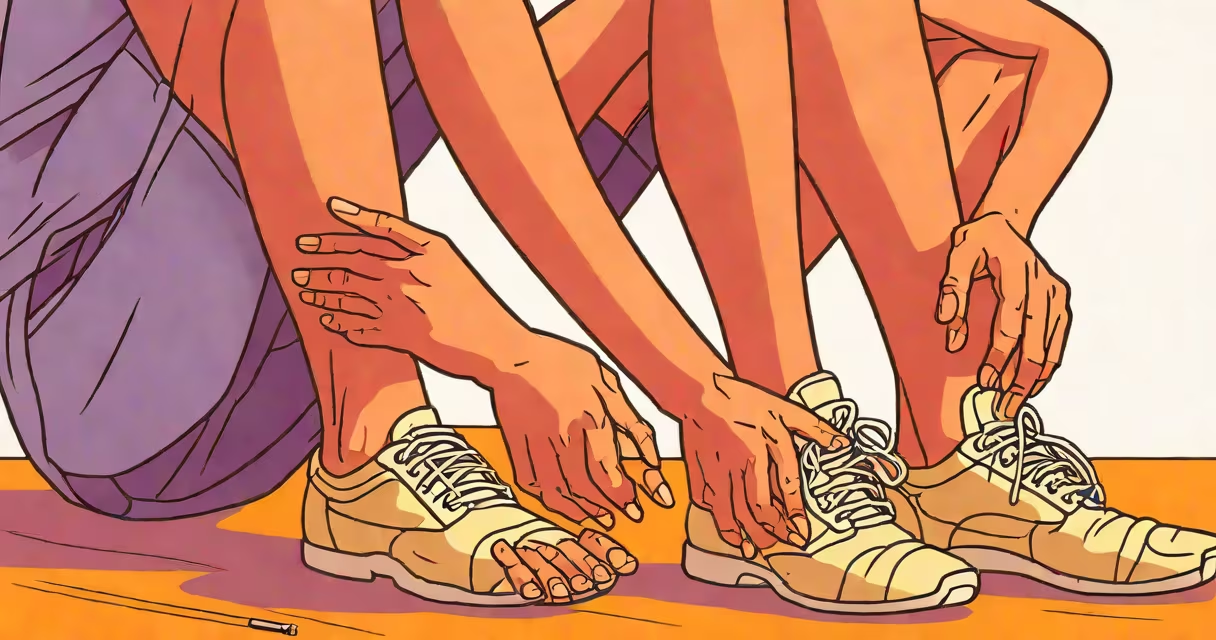
Leg muscle pain and weakness describes discomfort, reduced strength, or difficulty moving the legs due to injury, nerve issues, overuse, or systemic conditions. It may affect one or both legs and range from mild fatigue to sudden inability to bear weight.
This condition arises when muscles fail to contract properly, nerves misfire, or tissue sustains damage. Common triggers include prolonged standing, intense exercise, or medical disorders such as diabetes-related neuropathy. Pain often accompanies weakness, but not always-some cases involve numbness or heaviness without sharp pain.
Muscles generate movement through electrical signals sent from the brain via spinal nerves. When this pathway is disrupted-by pressure on nerves, poor blood flow, or metabolic imbalance-the signal weakens or fails entirely. This results in pain during contraction, reduced force output, or complete loss of function.
For example, sciatica compresses the sciatic nerve near the lower spine. A 2021 study in Neurology found that 68% of patients with sciatica reported leg weakness during walking, even when imaging showed minimal disc bulging. Pain typically radiates from the lower back down the back of the thigh, but weakness can occur independently.
Overuse also contributes. Running long distances without adequate recovery leads to microtears in muscle fibers. The body responds with inflammation and soreness. After 48 hours, normal repair mechanisms restore function. But if training continues, delayed-onset muscle soreness turns into chronic strain, reducing endurance and increasing fatigue during daily activities.
Leg muscle pain and weakness varies by origin. Nerve-related issues differ from muscular or vascular problems. Understanding the root cause guides treatment and prognosis.
| Type | Common Causes | Key Symptoms | Diagnostic Clue |
|---|---|---|---|
| Nerve compression | Sciatica, spinal stenosis, herniated discs | Pain along nerve path, burning, tingling, weakness in specific muscle groups | Weakness in foot drop (difficulty lifting toes) |
| Metabolic/myopathic | Electrolyte imbalances, hypothyroidism, mitochondrial disorders | Generalized fatigue, cramping, slow recovery after activity | Normal reflexes but widespread weakness |
| Vascular | Peripheral artery disease (PAD), deep vein thrombosis (DVT) | Claudication (pain during walking), swelling, cold feet | Weak or absent pulses in ankle arteries |
| Neurological | Multiple sclerosis, ALS, diabetic neuropathy | Progressive weakness, loss of balance, muscle atrophy | Abnormal reflexes, abnormal EMG findings |
One overlooked distinction: weakness from nerve damage often affects specific muscle groups, while generalized fatigue stems from systemic issues. For instance, a patient with poorly controlled diabetes may report leg heaviness and cramps after standing for five minutes. Blood tests reveal elevated HbA1c levels (≥8.0%), confirming chronic hyperglycemia. Nerve conduction studies show slowed signal transmission in the tibial nerve-diagnostic for distal symmetric polyneuropathy.
A non-obvious fact: leg muscle pain and weakness can precede a diagnosis of multiple sclerosis by years. The National Multiple Sclerosis Society notes that 80% of people with MS experience motor symptoms early, including leg stiffness and weakness. These often begin subtly-tripping on uneven ground or needing to hold onto railings while climbing stairs.
Leg muscle pain and weakness most frequently affects adults over 40, particularly those with sedentary jobs, obesity, or chronic diseases. However, younger individuals may develop it from sports injuries or autoimmune conditions.
Consider a 32-year-old office worker who runs marathons on weekends. After a 10-mile training run, they notice their left calf feels tight and weak. They can walk but struggle to climb stairs. MRI shows no structural damage. Blood work reveals low potassium and magnesium levels. Replenishing electrolytes restores strength within 48 hours. This illustrates how nutritional deficits can mimic overuse injury.
Another example: a 65-year-old man with a history of smoking reports intermittent claudication. He walks 100 meters before experiencing cramping in his calves, relieved only by resting. An ankle-brachial index test confirms PAD-blood pressure in the ankle is 0.65 compared to the arm. Without treatment, he risks limb ischemia and potential amputation.
Leg muscle pain and weakness is not always localized. Sciatica may cause weakness in the foot dorsiflexors, leading to a "steppage gait" where the foot slaps down during walking. This pattern is distinct from muscle strain, which typically limits movement but not gait mechanics.
Many assume leg pain and weakness equals muscle strain. But if weakness persists beyond 72 hours after rest, or affects balance, it's likely neurological. A 2020 review in JAMA Neurology found that 34% of patients initially diagnosed with "tendonitis" later received a correct diagnosis of lumbar radiculopathy after MRI.
Another myth: stretching cures all leg pain. While effective for tight hamstrings or IT band syndrome, stretching won't resolve weakness caused by nerve compression. In fact, aggressive stretching in nerve entrapment can worsen symptoms. A physical therapist must assess movement patterns before recommending interventions.
I once observed a patient with progressive leg weakness who had been told to "just stretch more." Over six months, her ability to stand unassisted declined. An EMG revealed severe L5 nerve root compression. After surgical decompression, she regained full mobility within four weeks. This case underscores that symptom-based advice without diagnostic clarity delays recovery.
Recognizing leg muscle pain and weakness early prevents long-term disability. Red flags include asymmetry, worsening at night, or associated numbness. Early intervention-whether through medication, physical therapy, or surgery-improves functional outcomes. Ignoring persistent symptoms risks irreversible nerve or muscle damage.