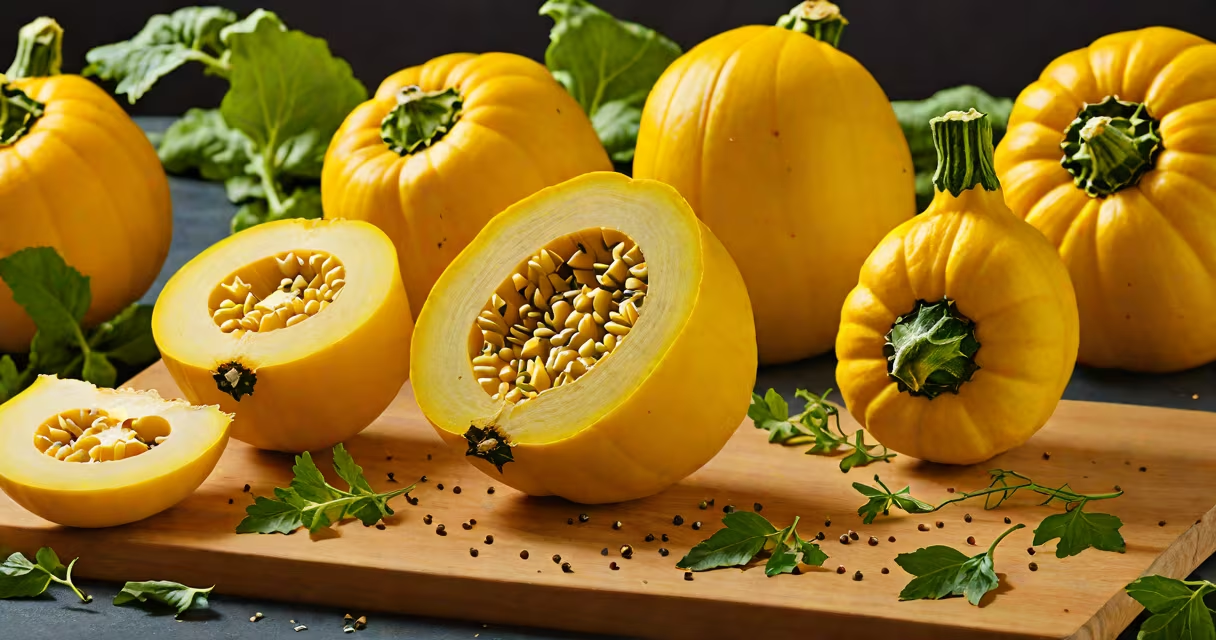
Squash is a vegetable both in culinary practice and botanical classification. It belongs to the Cucurbitaceae family and includes varieties like zucchini, butternut, and acorn squash. The term "vegetable" in everyday language refers to edible plant parts consumed in savory dishes, which squash fits precisely.
Cooking and food labeling treat squash as a vegetable. It's served alongside proteins and grains, used in soups, stir-fries, and baked goods. Nutritionally, squash provides fiber, vitamin A, and potassium - traits shared with other vegetables such as carrots and spinach. The USDA FoodData Central confirms that 1 cup of cooked yellow squash contains 36 calories, 1 gram of protein, and 13% of the daily value for vitamin A.
Botanically, squash is a fruit because it develops from a flowering plant's ovary and contains seeds. This aligns with the scientific definition of fruit - a mature ovary of a flower. For example, a zucchini grows from a flower and holds seeds inside. Despite this, the culinary world treats squash as a vegetable due to its low sugar content and savory flavor profile.
In cooking, squash is used in both raw and cooked forms. Summer squash like zucchini and yellow crookneck are tender and cook quickly. They're grilled, sautéed, or spiralized into noodles. Winter squash such as butternut and kabocha have denser flesh and require longer cooking times - often roasted or pureed into soups.
Gardeners grow squash as a warm-season crop. It requires full sun, well-draining soil, and consistent watering. Most squash plants are vining and produce large leaves. Pollination happens via bees or hand transfer between male and female flowers. A single plant can yield 5 to 10 fruits depending on variety and growing conditions.
For example, a home gardener in USDA zone 6 planted 'Buttercup' winter squash in late May. By early October, they harvested six mature fruits weighing between 2.5 and 4 pounds each. After curing for 10 days in a dry, ventilated space, the squash stored well through winter and was used in pies and stews.
Squash falls into two main groups based on maturity and texture: summer squash and winter squash. They differ in harvest time, storage life, and culinary use.
| Type | Examples | Harvest Time | Storage Life | Culinary Use |
|---|---|---|---|---|
| Summer squash | Zucchini, yellow crookneck, pattypan | Early to mid-summer | 1-2 weeks refrigerated | Sautéed, grilled, spiralized, baked |
| Winter squash | Butternut, acorn, kabocha, hubbard | Fall, after frost | 2-6 months in cool, dry place | Roasted, pureed, stuffed, baked |
Some varieties blur the lines. For instance, spaghetti squash produces long strands when cooked, resembling pasta. It's often used in low-carb meals and labeled as a "pasta substitute," though it remains a winter squash.
People often mistake squash as a root vegetable. Root vegetables grow underground and include potatoes, carrots, and beets. Squash grows above ground on vines and is not a root. This confusion may arise because some winter squash, like butternut, resemble turnips in size and shape.
Another misconception is that all squash are high in sugar. While winter squash contains natural sugars, levels are moderate. One cup of cooked butternut squash has about 12 grams of carbohydrates, including 3 grams of fiber and 5 grams of sugar. That's comparable to sweet potatoes and lower than many fruits.
A lesser-known fact: some squash species are cultivated specifically for their seeds. Pumpkin seeds (pepitas) come from certain winter squash varieties. These seeds are rich in magnesium and zinc. Roasted and salted, they serve as a healthy snack. The seeds of zucchini are edible too but less commonly eaten.
The difference between botanical and culinary definitions affects labeling, nutrition, and diet planning. The FDA defines vegetables as plant parts consumed in savory dishes. Squash qualifies under this rule. The American Dietetic Association recommends consuming five servings of vegetables daily, and squash counts toward that goal.
For example, a meal plan from the Harvard T.H. Chan School of Public Health includes 1 cup of roasted butternut squash as part of a balanced dinner. It contributes to daily fiber intake and supports gut health. The USDA MyPlate guidelines list squash as a recommended vegetable choice.
Even though squash is technically a fruit, using it as a vegetable in recipes doesn't alter its nutritional value. Its classification doesn't change how it functions in a diet. Whether you call it a fruit or a vegetable, squash delivers nutrients and versatility.
When preparing squash, consider the method. Sautéing zucchini preserves its crisp texture and mild flavor. Roasting butternut enhances sweetness and creates a creamy consistency. Using the right technique maximizes taste and nutrition.
Understanding whether squash is a vegetable clarifies its role in meals and nutrition. It is both a fruit and a vegetable, depending on context. In kitchens and diets, it functions as a vegetable. In biology, it's a fruit. This dual identity reflects how language adapts to practical use.