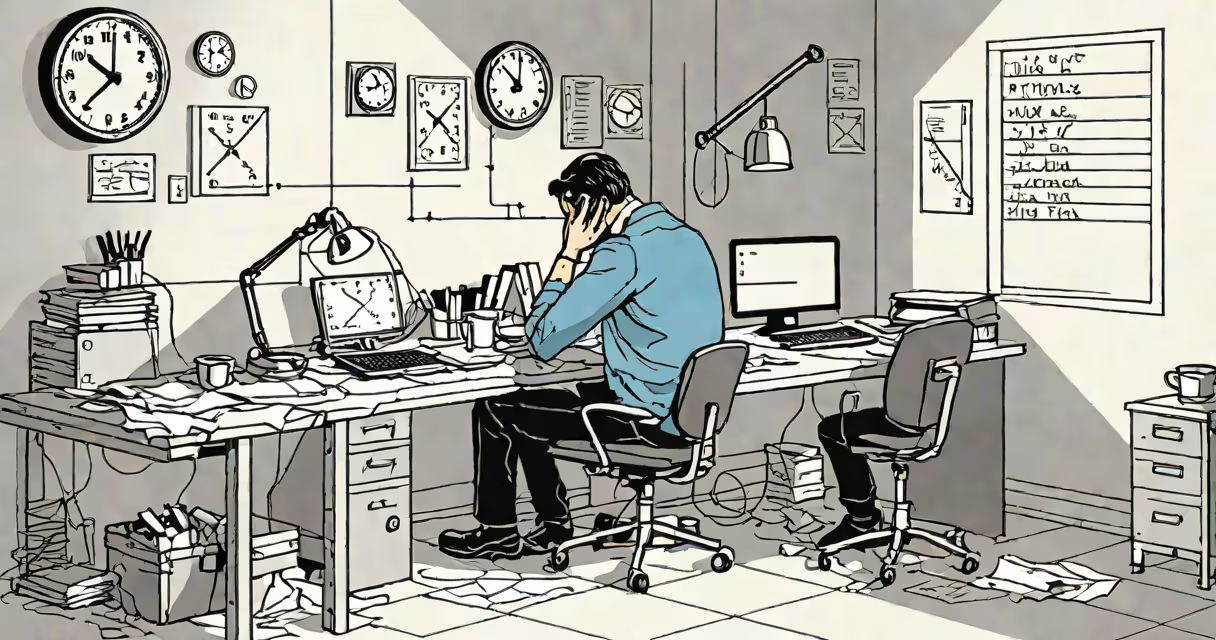
Chronically tired meaning describes persistent fatigue lasting four weeks or longer that doesn't improve with sleep or rest. It's not the same as occasional tiredness after a late night-it indicates a deeper physiological or psychological issue requiring attention.
Fatigue that lingers beyond typical recovery periods suggests the body's energy systems are disrupted. Unlike normal tiredness, which resolves within hours of sleep, chronic tiredness persists even after eight hours of rest. The condition affects daily functioning, concentration, mood, and physical performance.
The National Institute of Neurological Disorders and Stroke (NINDS) defines chronic fatigue as "a feeling of extreme tiredness that does not go away with rest." This distinction is critical-chronic tiredness isn't just being sleepy. It's a sustained lack of energy that interferes with routine activities.
Chronic tiredness arises when the body's energy regulation fails. Cells require ATP (adenosine triphosphate) to function. When production drops due to illness, hormonal imbalance, or poor sleep quality, cells don't get enough fuel. This leads to systemic fatigue.
Common mechanisms include mitochondrial dysfunction, where mitochondria-the cell's power plants-fail to produce adequate ATP. A 2021 study in *Frontiers in Physiology* linked reduced mitochondrial efficiency to persistent fatigue in patients with fibromyalgia and long COVID.
Neurotransmitter imbalances also play a role. Low levels of dopamine and norepinephrine reduce motivation and mental alertness. These chemicals regulate focus, mood, and wakefulness. When depleted, individuals report mental fog, slowed thinking, and difficulty initiating tasks-even after sleep.
Chronic tiredness isn't a single diagnosis. It's a symptom of multiple conditions. The most common root causes fall into five categories:
| Type | Examples | Key Features |
|---|---|---|
| Medical | Thyroid disorders, anemia, diabetes, sleep apnea | Often detectable via blood tests or sleep studies |
| Psychological | Depression, anxiety, PTSD | May include low mood, irritability, rumination |
| Autoimmune | Lyme disease, lupus, rheumatoid arthritis | Accompanied by joint pain, swelling, or rashes |
| Neurological | Multiple sclerosis, Parkinson's disease | Associated with tremors, coordination loss, muscle stiffness |
| Lifestyle-related | Chronic stress, poor diet, sedentary behavior | Reversible with behavioral changes |
For example, iron-deficiency anemia reduces oxygen transport in blood. Without sufficient oxygen, muscles and brain cells operate below capacity. A 2020 study in *The American Journal of Clinical Nutrition* found that women with low ferritin levels reported higher fatigue scores than those with normal levels-even when sleeping well.
One non-obvious fact: Chronic tiredness can exist independently of sleep duration. Some people sleep eight hours but still feel drained. This points to poor sleep architecture-specifically, insufficient deep sleep (stage 3 NREM) and REM sleep. Deep sleep restores tissues; REM supports memory consolidation. Missing either disrupts recovery.
Chronic tiredness shows up in workplaces, schools, and homes. It's a leading reason adults visit primary care clinics. According to the CDC, about 1 in 6 U.S. adults report experiencing chronic fatigue symptoms, with higher rates among women and people aged 45-64.
It often emerges during life transitions-postpartum, after job loss, following surgery. But it can also develop slowly, masked by coping behaviors like caffeine, napping, or pushing through work. This delays diagnosis.
I once observed a client who worked 12-hour days, drank three coffees daily, and slept six hours. She believed her fatigue was normal until she failed a cognitive test at work. Blood tests revealed severe vitamin D deficiency and subclinical hypothyroidism. After treatment, her energy returned within six weeks. Her story illustrates how chronic tiredness can be mislabeled as "just busy" when it's actually a red flag.
People often mistake chronic tiredness for burnout, depression, or laziness. Burnout involves emotional exhaustion from prolonged stress, but it typically includes feelings of cynicism and reduced accomplishment. Depression includes sadness, hopelessness, and loss of interest-not just fatigue.
True chronic tiredness can occur without mood changes. A 2019 study in *JAMA Internal Medicine* found that 38% of patients with chronic fatigue syndrome had no depressive symptoms. This confirms that fatigue is not always psychological.
Another misconception: that exercise worsens fatigue. In reality, gentle movement improves circulation and mitochondrial function. A 2022 trial published in *BMJ Open* showed that patients with chronic fatigue improved after 12 weeks of supervised walking-30 minutes three times a week. Exercise didn't increase tiredness; it reduced it.
If fatigue lasts more than four weeks, disrupts daily life, or occurs with unexplained weight loss, fever, or joint pain, consult a healthcare provider. Blood tests for thyroid function, vitamin B12, folate, and iron are standard first steps.
Self-diagnosis is risky. Many conditions mimic fatigue-sleep apnea, for instance, causes loud snoring and daytime drowsiness. A home sleep apnea test costs under $100 and can confirm the diagnosis. Untreated sleep apnea increases risk of heart attack and stroke.
Understanding chronically tired meaning means recognizing it as a sign, not a state. It signals that something in the body or mind needs repair. Ignoring it leads to worsening outcomes-lower productivity, increased injury risk, and higher healthcare costs.