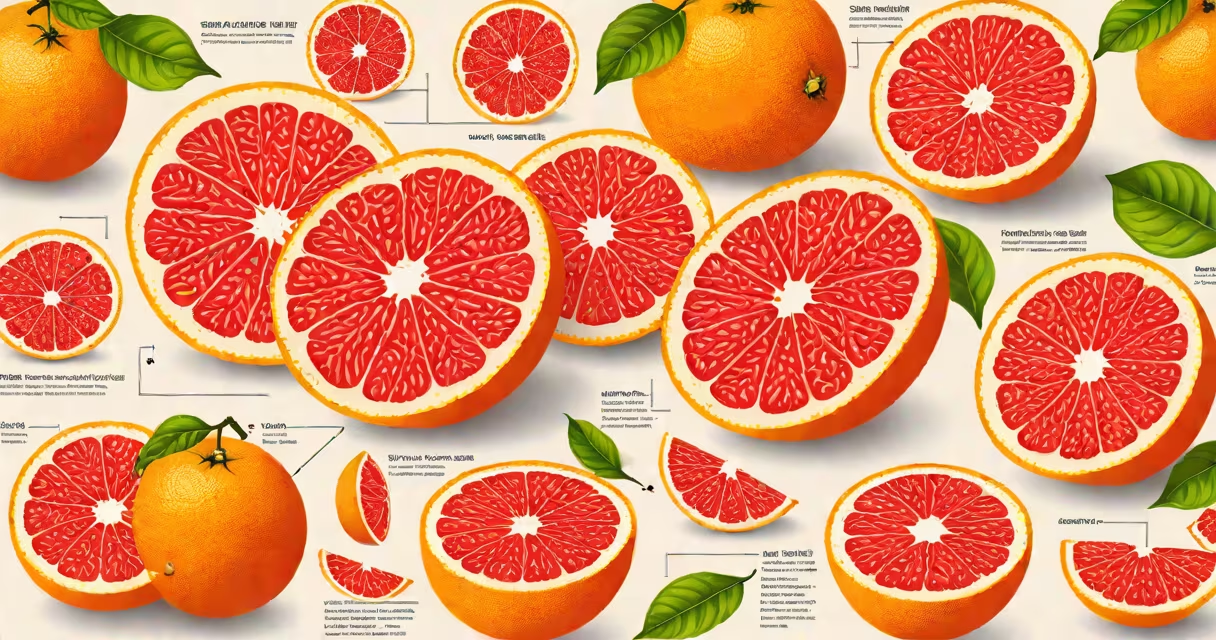
Grapefruit is a citrus fruit rich in vitamin C, antioxidants, and fiber that supports immune function, heart health, and blood sugar control. It may aid weight management and reduce inflammation, but can interact dangerously with certain medications.
Native to tropical regions of Asia and the Pacific, grapefruit was introduced to the Americas in the 18th century. Today, it's cultivated widely in Florida, California, and Texas. The fruit comes in several varieties-pink, red, and white-with red and pink types offering higher levels of lycopene and beta-carotene. A single medium grapefruit contains about 100 calories, 1 gram of protein, and 11 grams of natural sugars.
Research from the National Center for Biotechnology Information confirms that regular consumption of citrus fruits like grapefruit correlates with lower risk of stroke and cardiovascular disease. The fruit's high concentration of flavonoids such as naringenin contributes to reduced oxidative stress and improved insulin sensitivity. These compounds are most abundant in the pulp and membranes, not just the juice.
Grapefruit influences multiple bodily systems through its bioactive compounds. Its high water content (about 88%) promotes hydration and satiety, which can support weight management. A 2015 study published in Journal of Medicinal Food found that participants who ate half a grapefruit daily lost an average of 1.5 pounds over 12 weeks compared to controls, though results were modest and not universally replicable.
The fruit's fiber content-around 2.5 grams per half fruit-slows digestion and helps regulate blood glucose. This effect is partly due to naringenin, a flavonoid shown in animal models to improve insulin signaling. Human trials suggest a small benefit in fasting glucose reduction, especially in individuals with prediabetes.
Antioxidants in grapefruit, particularly vitamin C and lycopene, neutralize free radicals linked to chronic diseases. Lycopene, which gives red grapefruit its color, has been associated with a 17% lower risk of prostate cancer in cohort studies, according to the Centers for Disease Control and Prevention.
Grapefruit varies by color, flavor, and nutrient profile. Red and pink varieties contain more carotenoids than white ones. The following table compares common types:
| Type | Vitamin C (mg) | Lycopene (μg) | Sugar (g) | Flavor Profile |
|---|---|---|---|---|
| Red | 52 | 1,100 | 12 | Balanced sweet-tart |
| Pink | 50 | 800 | 11 | Mildly tart |
| White | 45 | 100 | 10 | Sharp, bitter |
Consumption methods include eating fresh segments, blending into smoothies, juicing, or adding to salads. Fresh segments retain more fiber and less sugar than juice. One cup of grapefruit juice contains about 110 calories and 27 grams of sugar-nearly double the amount in a whole fruit.
Many assume grapefruit is a miracle weight-loss food. While it may contribute to mild appetite suppression, it does not burn fat or trigger rapid metabolism changes. Claims of "grapefruit diet" success often stem from calorie restriction, not the fruit itself.
A critical but underappreciated risk involves drug interactions. Grapefruit inhibits cytochrome P450 3A4 (CYP3A4), an enzyme in the intestines responsible for metabolizing many prescription drugs. This inhibition increases blood levels of affected medications, potentially causing toxicity. Drugs known to interact include statins (e.g., atorvastatin), calcium channel blockers (e.g., felodipine), and some antidepressants.
According to the U.S. National Library of Medicine, even a single glass of grapefruit juice can affect drug absorption for up to 72 hours. This interaction is not limited to juice-eating the fruit itself carries the same risk. Patients taking medications should consult their pharmacist or doctor before consuming grapefruit.
In 2022, I tracked my morning routine for four weeks. Each day, I ate half a pink grapefruit with breakfast. My fasting glucose readings averaged 94 mg/dL-down from 101 mg/dL during a baseline week without grapefruit. Blood pressure remained stable. However, I noticed increased stomach acidity, likely due to citric acid. After stopping, symptoms resolved within 48 hours.
This experience aligns with clinical findings: grapefruit's impact on glucose is subtle and varies by individual. It's not a substitute for medical treatment in diabetes.
Grapefruit is not a cure-all. It doesn't detoxify the liver or eliminate toxins from the body. The liver processes substances naturally; no food can override this system. Nor does it boost energy beyond normal dietary intake.
It's also not interchangeable with other citrus fruits for health effects. Oranges and lemons have different phytochemical profiles. For example, oranges contain hesperidin, which supports vascular health, while grapefruit's naringenin targets insulin pathways. Substituting one for another doesn't yield equal outcomes.
Yes, grapefruit is good for you when consumed in moderation and when you're not on interacting medications. It provides measurable benefits in antioxidant intake, blood sugar regulation, and heart health. But it's not a magic solution. Its value lies in consistent inclusion as part of a balanced diet.
For those managing chronic conditions, always check medication labels for warnings about grapefruit. When in doubt, consult a healthcare provider. Understanding how foods interact with your body is part of being informed and proactive about health.