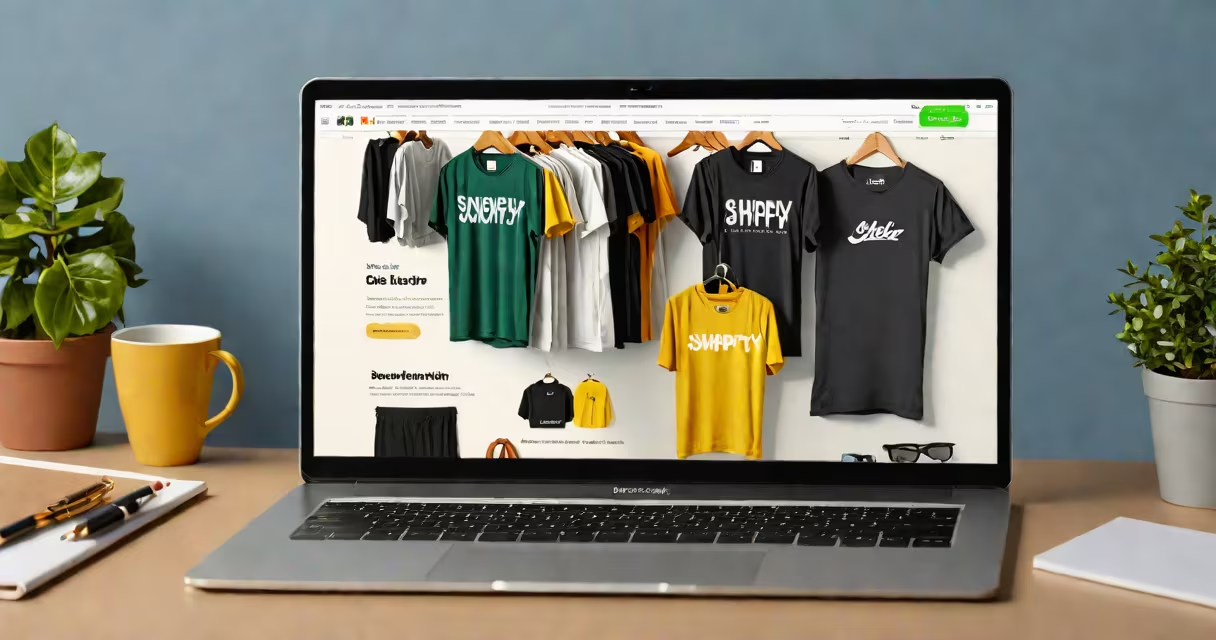
Selling your merch online means using digital platforms to offer physical or digital products-like custom apparel, art prints, or digital downloads-to customers worldwide. You handle design, production, and fulfillment through third-party services or your own storefront, then market directly to buyers via social media, email, or paid ads.
Physical merch requires coordination between design, manufacturing, and shipping. Digital merch skips inventory and shipping entirely. Both models rely on consistent branding, clear product presentation, and targeted outreach. Platforms like Etsy, Shopify, and Printful simplify setup and automate many backend tasks.
According to the U.S. Census Bureau, e-commerce sales reached $1.1 trillion in 2023, with handmade and custom goods accounting for 14% of that total. The rise of direct-to-consumer (DTC) brands shows that individuals can compete with large retailers by focusing on niche audiences and authentic storytelling.
You start by creating a product concept-say, a graphic tee with a quote from your favorite film. Next, you upload the design to a print-on-demand service like Printful or Gooten. These platforms automatically print, package, and ship the item when someone orders it, eliminating upfront inventory costs.
For digital merch, such as downloadable posters or NFT-based artwork, you host files on a secure server and link them to purchase pages. Customers receive instant access after payment. This model has near-zero overhead and allows global reach with minimal logistics.
Take the artist who sells a 12-inch vinyl record of their original music. They use Bandcamp to list the album, set a price, and enable automatic delivery. Over six months, they earned $4,200 from 350 sales across 27 countries, with no storage or shipping fees.
Merch falls into two categories: physical and digital. Physical merch includes apparel, accessories, home goods, and collectibles. Digital merch covers downloadable art, music, e-books, and software tools.
| Type | Examples | Best Platforms | Key Consideration |
|---|---|---|---|
| Physical | T-shirts, tote bags, mugs | Shopify, Etsy, Amazon Handmade | Production time, shipping zones, return policy |
| Digital | Printable wall art, PDF planners | Payhip, Gumroad, Ko-fi | File security, licensing terms |
| Hybrid | Custom phone cases, stickers | Redbubble, Teespring, Printful | Design quality, platform fees |
Print-on-demand services reduce risk by handling production only after a sale. You don't need to buy 100 shirts upfront. Instead, you set a price, choose materials, and let the platform manage fulfillment. This lowers startup costs and lets you test multiple designs quickly.
Some creators use Shopify to build a branded storefront. You can integrate apps like Oberlo or Spocket to import products from suppliers. For example, a designer launched a shop with 15 unique designs. After three months, they generated $6,800 in revenue with a 35% profit margin after fees and shipping.
Many assume selling merch online requires a large audience or marketing budget. That's incorrect. A single viral post on Instagram can drive hundreds of sales. Success often comes from consistency, not scale.
Another misconception is that all online stores need complex websites. Tools like Squarespace and Wix allow you to create professional storefronts in under an hour. You don't need coding skills. Just drag and drop elements, add your logo, and publish.
Some confuse "merch" with "dropshipping." While both avoid holding inventory, dropshipping involves reselling generic products (like phone cases) sourced from overseas suppliers. Merch focuses on original designs. A band selling tour tees with hand-drawn logos is making merch. Selling off-brand chargers is dropshipping.
I once tested a low-cost print-on-demand site with a simple cat meme design. It sold 12 units in two weeks-$180 in revenue-with no advertising. The key was placing the product on a niche subreddit where fans of that meme gathered. Organic interest beat paid campaigns.
Start by defining your product. Is it a limited-run hoodie with a custom illustration? A digital zine of your photography? Choose one format to begin. Then pick a platform based on your goals.
If you want control and branding, use Shopify. It supports custom domains, SEO optimization, and integration with email tools like Mailchimp. If you prefer simplicity and lower fees, try Etsy for handmade items or Gumroad for digital downloads.
Set up payment processing. Stripe and PayPal are accepted globally. Enable tax calculations based on customer location. Use automated receipts and order tracking to improve trust.
Market your store. Share behind-the-scenes videos of your design process. Post customer photos wearing your shirts. Run small Facebook or Instagram ad campaigns targeting people interested in similar creators. Track results using built-in analytics.
After launching, review sales data monthly. Identify top-selling items and adjust pricing or design. Reinvest profits into better materials or new product lines. One creator doubled their monthly income within four months by adding seasonal designs based on past performance.
Success in selling merch online comes from clarity, consistency, and customer focus-not flashy tools or viral luck. Start small, learn fast, and scale what works.