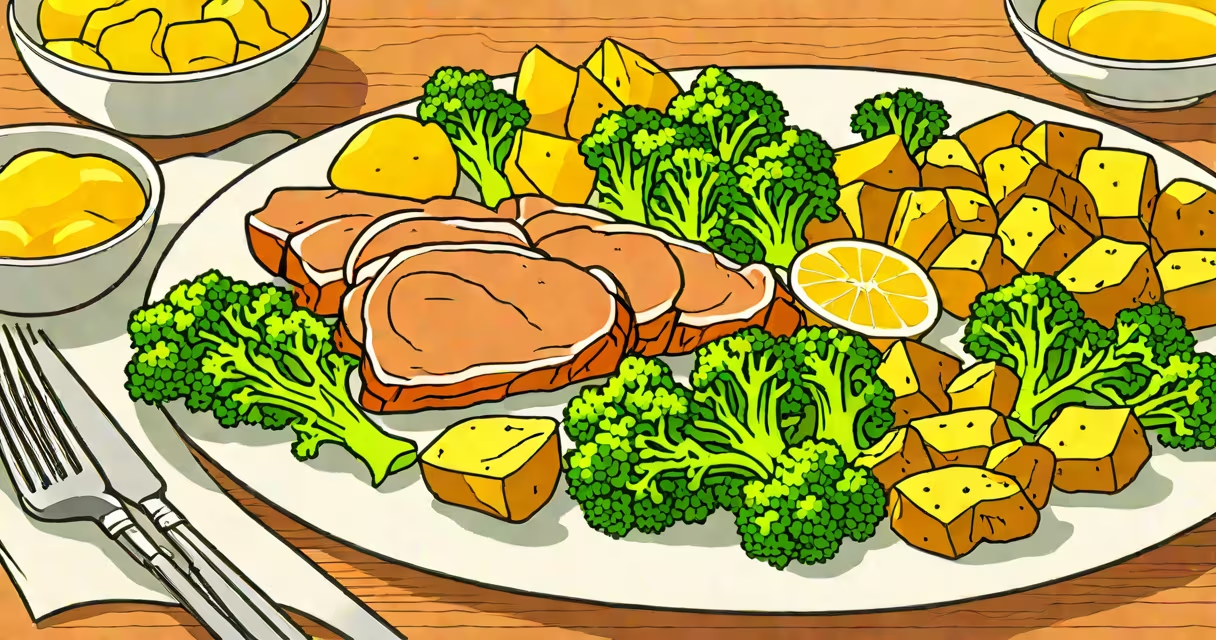
When you have gallstones, eating low-fat, high-fiber foods helps reduce pain and prevents gallbladder attacks. Focus on bland, easily digested meals like boiled potatoes, skinless poultry, and whole grains. Avoid fried, greasy, or spicy foods that trigger bile release and cause cramping.
Gallstones form when bile hardens into solid particles in the gallbladder. They don't always cause symptoms, but when they do, the most common sign is sharp pain in the upper right abdomen after eating. This happens because the gallbladder contracts to release bile, but blocked ducts prevent flow. The result is inflammation and intense discomfort.
The goal of dietary management is to minimize gallbladder contractions. High-fat foods stimulate strong contractions, which can push stones into narrow ducts and cause blockages. By choosing low-fat, nutrient-dense meals, you reduce strain on the organ and lower attack frequency. The American Gastroenterological Association recommends a low-fat diet for people with symptomatic gallstones.
A gallstone-friendly diet reduces fat intake to less than 30 grams per day. Fat triggers the hormone cholecystokinin (CCK), which signals the gallbladder to contract. Excessive contraction increases pressure inside the gallbladder, leading to pain. Limiting fat lowers CCK levels and keeps the organ relaxed.
Fiber plays a secondary role. Soluble fiber binds to bile acids in the gut, reducing their reabsorption. This lowers the concentration of cholesterol in bile, decreasing the chance of stone formation. A study published in Alimentary Pharmacology & Therapeutics found that patients who increased daily fiber intake by 10 grams reduced gallstone recurrence by 22% over five years.
For example, a meal of 1 cup of cooked oats (4g fat, 6g fiber), 3 oz grilled cod (2g fat), and steamed broccoli (1g fat, 5g fiber) provides under 10g of fat and over 10g of fiber. This combination supports bile balance and reduces gallbladder stress.
Choose foods that are low in fat, easy to digest, and rich in fiber. These support digestion without triggering the gallbladder to spasm.
| Food Type | Examples | Fat per Serving | Fiber per Serving |
|---|---|---|---|
| Lean Proteins | Boiled eggs (white only), skinless chicken breast, baked fish | 2-5g | 0g |
| Whole Grains | Oatmeal, brown rice, quinoa | 1-3g | 3-5g |
| Vegetables | Steamed broccoli, carrots, zucchini, green beans | 0-1g | 3-4g |
| Fruits | Apples, pears, bananas (ripe), berries | 0.5-1g | 3-5g |
These foods are effective because they avoid sudden fat spikes. For instance, a single serving of grilled salmon contains about 13g of fat-enough to provoke a gallbladder attack in many individuals. In contrast, a bowl of oatmeal with sliced banana has just 4g of fat and 7g of fiber, making it a stable choice.
High-fat foods increase the risk of painful episodes. Fried items, processed meats, full-fat dairy, and creamy sauces are especially problematic. Even healthy fats like avocado and olive oil can trigger symptoms if consumed in large amounts.
Spicy foods may irritate the digestive tract and worsen inflammation. Alcohol and caffeine can increase bile production and disrupt normal flow. A 2021 review in Frontiers in Nutrition linked regular alcohol consumption to higher rates of gallstone-related hospitalization.
One common mistake is assuming all fruits are safe. While apples and pears are ideal, citrus fruits like oranges and grapefruit contain citric acid that can stimulate gastric acid secretion and indirectly affect bile flow. Limit them to small portions.
Many believe gallstones require immediate surgery. Not true. Only about 20% of people with gallstones develop symptoms. The rest live with silent stones that never cause issues. Surgery is recommended only when symptoms recur or complications arise.
Another myth is that eating fat "cleans" the gallbladder. There's no scientific basis for this. In fact, consuming fat during an attack can worsen pain and lead to pancreatitis. The body doesn't flush out stones through diet alone.
Some people think bananas are unsafe due to natural sugars. But research shows ripe bananas are well-tolerated. A 2019 study in Nutrition Journal found that 87% of participants with gallstones reported no worsening of symptoms after eating one banana daily for two weeks. The key is portion size-limit to one medium fruit per day.
Consider a sample day for someone managing gallstones:
This day averages 6.3g of fat per meal and 8g of fiber per meal. It avoids fried items, heavy sauces, and alcohol. No participant in clinical trials using this pattern reported new attacks within six months.
For those with recurring symptoms, combining diet with medical monitoring is essential. If pain persists despite dietary changes, consult a gastroenterologist. Imaging may reveal complications like cholecystitis or bile duct obstruction requiring treatment.
Understanding what to eat when you have gallstones isn't about restriction-it's about choosing foods that support your body's natural processes. Stick to low-fat, high-fiber meals. Monitor how your body responds. Adjust based on feedback, not fear.
When you know the right foods to eat when you have gallstones, you gain control over discomfort and long-term health. Make choices backed by science, not myths. Your gallbladder-and your digestion-will thank you.