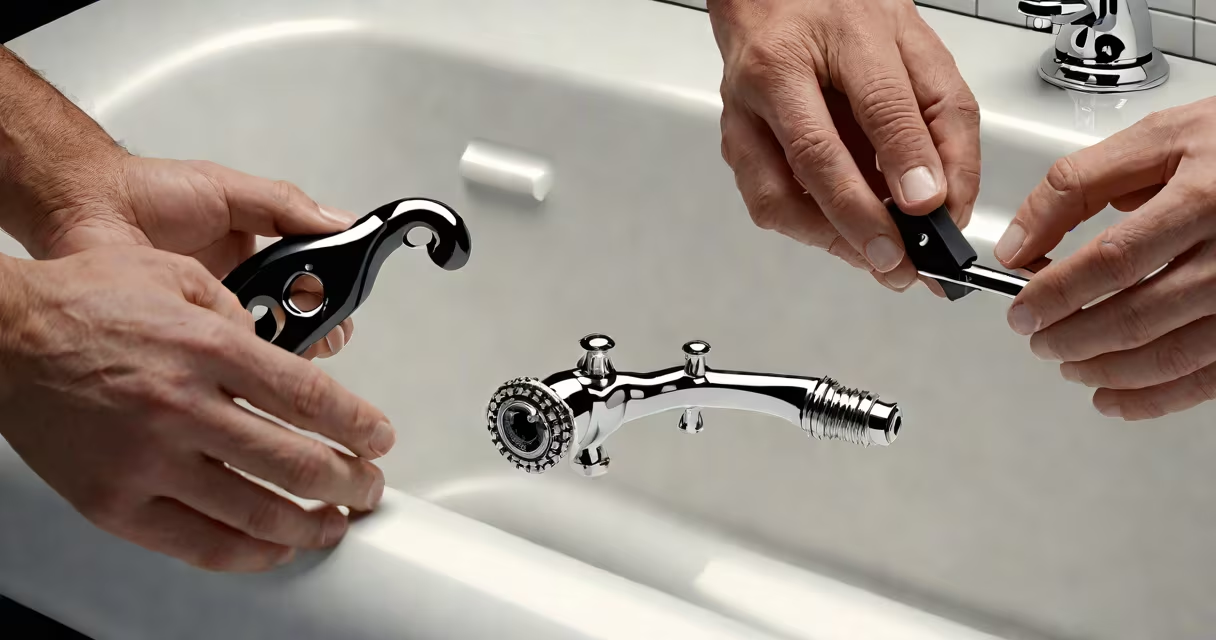
Removing a bathtub drain involves unscrewing or prying out the stopper mechanism beneath the overflow plate, typically accessed through the drain hole or overflow opening. This step is required to clear clogs, clean debris, or replace worn parts.
The drain assembly in most bathtubs consists of a pivot rod, a linkage system, and a stopper that seals the drain. When water doesn't flow properly, the stopper may be stuck or obstructed by hair, soap scum, or mineral buildup. Removing the stopper allows access to the trap and drain pipe below.
Most standard bathtubs have a pop-up stopper design. To remove it, locate the small cap near the overflow drain. Lift it to expose a pivot rod. Unscrew the nut securing the rod to the stopper. Pull the stopper upward and out. For older models with a lift-and-turn stopper, unscrew the cap and rotate the stopper counterclockwise until it lifts free.
Use a flathead screwdriver, needle-nose pliers, a small wrench, and a bucket to catch residual water. A flashlight helps inspect the drain cavity. Wear rubber gloves to handle debris safely.
For stubborn stoppers, apply penetrating oil like WD-40 to loosening corroded metal parts. Avoid harsh chemicals that damage plastic components. Always turn off the water supply before working under the tub.
A common mistake is forcing the stopper without checking the pivot rod's alignment. Misalignment causes the stopper to bind. If the rod won't move, check for bent or broken linkages. Replacing the entire stopper assembly may be faster than repairing individual parts.
Different drain systems require different approaches. The most common types are:
| Type | Removal Method | Common Issues |
|---|---|---|
| Pop-up stopper | Unscrew pivot rod nut, lift stopper up | Stuck due to calcium deposits, rod bent |
| Lift-and-turn | Remove cap, twist counterclockwise, pull up | Corrosion at threads, seized mechanism |
| Push-pull (plunger-style) | Press down and pull straight up | Debris wedged in groove, worn seal |
| Slip-fit (no stopper) | Remove cover plate, pull out drain pipe | Missing or damaged gasket, loose connection |
Some newer bathtubs use a cartridge-style stopper with a single threaded shaft. These are easier to remove but harder to reassemble correctly. Improper reinstallation leads to leaks or poor sealing.
Non-obvious fact: The overflow plate often conceals a hidden spring or tension clip. Removing it requires prying gently with a flat tool. Forcing it can crack the porcelain surface. Always check manufacturer instructions if available.
If the stopper won't budge after trying all methods, it may be fused by mineral scale or debris. Soak the area with vinegar or a commercial descaling solution overnight. Reapply pressure slowly after softening buildup.
For persistent blockages, use a plumber's snake (drain auger) to break up clogs deeper in the pipe. Insert the cable through the drain opening and rotate clockwise until resistance stops. Pull out the snake and clean debris from the tip.
I once encountered a bathtub drain in a 1970s home where the stopper was fused shut by decades of limescale. After soaking with equal parts vinegar and hot water for 12 hours, I used a wire brush to scrub the pivot rod. The stopper finally moved after 30 minutes of steady effort. The trap cleared completely after disassembly.
Once removed, clean the stopper, pivot rod, and drain housing with warm soapy water. Use a toothbrush to scrub crevices. Rinse thoroughly and dry before reinstallation.
Reinstall the stopper by reversing the removal steps. Align the pivot rod with the hole in the stopper base. Tighten the retaining nut securely-but don't overtighten. Over-tightening damages the threads or cracks the plastic housing.
Test the drain by running water. If water pools or drains slowly, the stopper may not be seated properly. Check for gaps around the stopper or misaligned linkage. Adjust the rod height using the adjustment nut located under the overflow plate.
For ongoing maintenance, install a drain cover or mesh filter to reduce hair and debris entry. Clean the stopper monthly to prevent buildup. If the tub still doesn't drain well after cleaning, consult a plumber. Persistent issues may indicate a blocked P-trap or venting problem.
Understanding how to get drain out of bathtub prevents minor clogs from becoming major plumbing failures. Regular inspection and cleaning extend the life of your fixtures and maintain hygiene standards.