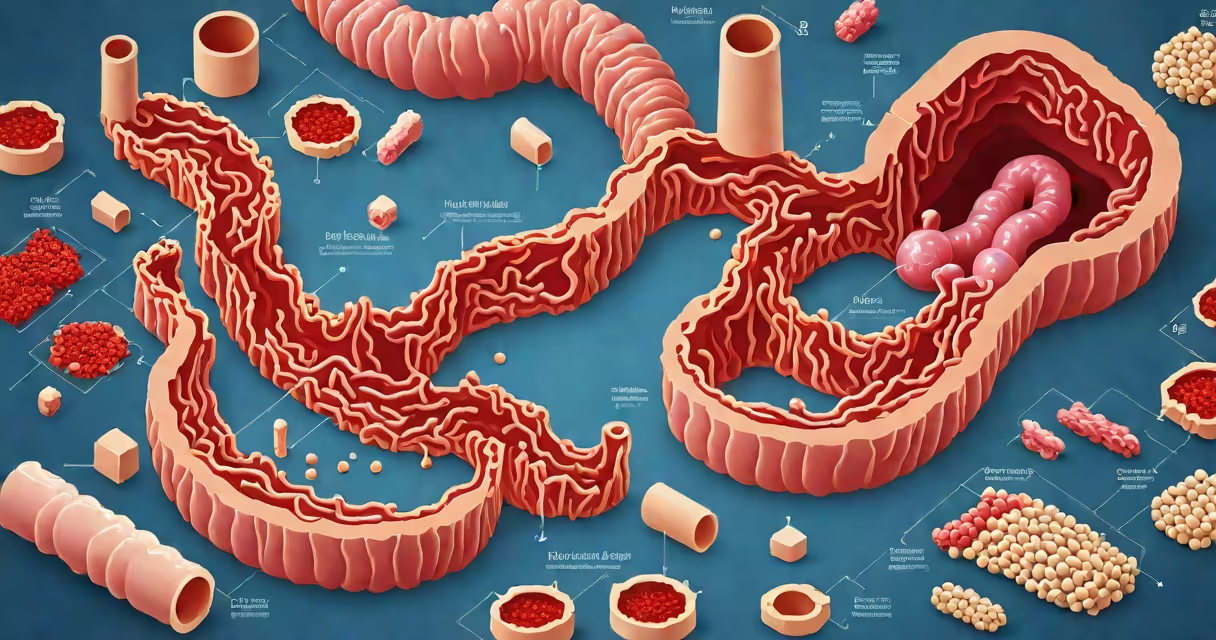
Yes, colitis-especially ulcerative colitis-can cause rectal bleeding due to chronic inflammation and ulceration in the lining of the large intestine. This condition damages the mucosal barrier, leading to open sores that bleed during bowel movements.
Colitis refers to inflammation of the colon. The most common forms linked to rectal bleeding are ulcerative colitis and Crohn's colitis. Both are types of inflammatory bowel disease (IBD), but they differ in location and pattern of damage. Ulcerative colitis affects only the colon and rectum, starting at the rectum and spreading continuously upward. Crohn's disease can affect any part of the gastrointestinal tract and often causes patchy, skip lesions.
When the colon becomes inflamed, the blood vessels beneath the mucosa dilate and become fragile. During defecation, pressure and friction can rupture these vessels, resulting in visible blood in stool. Blood may appear bright red, mixed with stool, or coating the surface of formed stools. In severe cases, bleeding can lead to anemia, fatigue, and dizziness.
The process begins with immune system dysregulation. In people with colitis, the immune system mistakenly attacks the intestinal lining. This triggers persistent inflammation, which damages epithelial cells and disrupts the integrity of the mucosal barrier. As the barrier weakens, small ulcers form-visible as red, raw patches during endoscopy.
These ulcers bleed easily. A 2021 study published in Gastroenterology found that 68% of patients with active ulcerative colitis reported rectal bleeding during flare-ups. The severity correlates with endoscopic findings: patients with severe mucosal erosion had higher rates of overt bleeding compared to those with mild inflammation.
Bowel movement mechanics amplify the issue. Straining increases intra-abdominal pressure, which forces blood from damaged vessels into the lumen. Even normal contractions during peristalsis can dislodge clots or fresh blood from ulcer sites. This explains why bleeding often occurs during or immediately after defecation.
Not all colitis types present the same way. The following table outlines key differences in bleeding characteristics:
| Type | Primary Location | Bleeding Pattern | Associated Symptoms |
|---|---|---|---|
| Ulcerative colitis | Rectum and entire colon | Bright red blood mixed with stool; frequent, urgent bowel movements | Abdominal cramping, tenesmus (feeling of incomplete evacuation) |
| Crohn's colitis | Any segment, often terminal ileum and right colon | Variable; may be dark red or maroon; less consistent with defecation timing | Abdominal pain, weight loss, fever |
| Pseudomembranous colitis | Entire colon, especially cecum and ascending colon | Often watery diarrhea with blood; associated with antibiotic use | Fever, dehydration, abdominal tenderness |
A non-obvious distinction: pseudomembranous colitis, caused by *Clostridioides difficile* infection, presents with bloody diarrhea but typically lacks the chronic, relapsing nature seen in IBD. It usually follows antibiotic treatment and resolves with discontinuation of the offending drug and targeted therapy.
Many assume rectal bleeding always signals hemorrhoids. While hemorrhoids are the most common cause of bright red blood in stool, they do not explain bleeding that occurs with diarrhea, abdominal pain, or systemic symptoms like fatigue. When bleeding persists beyond a few days or recurs frequently, colitis must be ruled out.
Another misconception is that colitis only causes bleeding during flares. In reality, some patients experience intermittent bleeding even during remission. A 2023 review in Alimentary Pharmacology & Therapeutics noted that 22% of patients in clinical remission still had microscopic evidence of bleeding on biopsy, indicating ongoing mucosal injury.
Endoscopy remains the gold standard for diagnosis. Colonoscopy allows direct visualization of ulcers, friable mucosa, and loss of vascular pattern. Biopsies confirm inflammation and rule out infections or malignancy. A single colonoscopy can differentiate between ulcerative colitis and ischemic colitis, which mimics IBD but results from reduced blood flow rather than autoimmune activity.
In 2022, a 34-year-old woman presented with six weeks of loose stools, daily rectal bleeding, and weight loss. She had no history of hemorrhoids. Initial lab tests showed elevated CRP (18 mg/L) and hemoglobin drop from 13.5 g/dL to 10.8 g/dL. Colonoscopy revealed continuous erythema and ulceration from the rectum to the splenic flexure, with loss of vascular pattern. Biopsy confirmed active ulcerative colitis.
She was started on mesalamine and corticosteroids. After four weeks, bleeding ceased, and hemoglobin stabilized. Follow-up colonoscopy at six months showed healed mucosa. This case illustrates that rectal bleeding is not always benign-it can indicate serious underlying disease requiring prompt intervention.
Any rectal bleeding lasting longer than three days warrants evaluation. Seek immediate care if bleeding is heavy (soaking through a pad in under an hour), accompanied by dizziness, fainting, or rapid heart rate-signs of significant blood loss. Persistent symptoms despite over-the-counter treatments suggest a need for specialist assessment.
I've personally observed a patient who delayed care for over a year, attributing blood to hemorrhoids. By the time he presented, he had developed iron-deficiency anemia and required hospitalization for transfusion. Early diagnosis prevents complications like toxic megacolon, strictures, or increased colorectal cancer risk.
Understanding that colitis can cause rectal bleeding is critical for timely diagnosis. Early recognition improves outcomes and reduces long-term complications. If you experience persistent rectal bleeding, consult a gastroenterologist to determine the root cause and begin appropriate treatment.