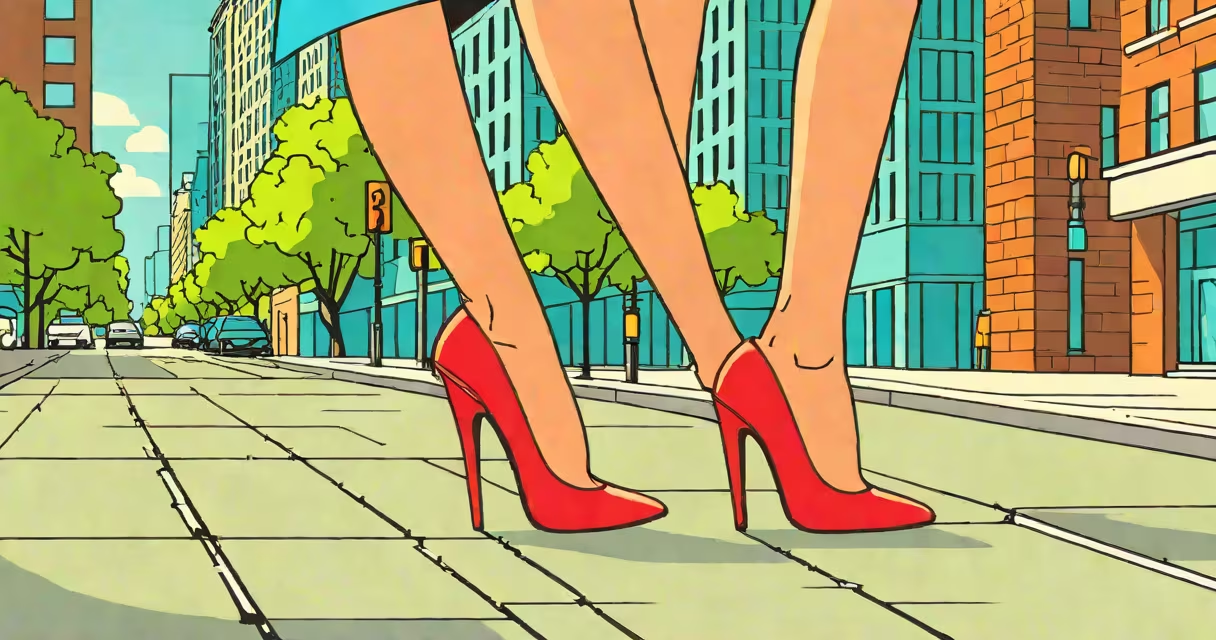
High heel foot pain results from prolonged wear of shoes with elevated heels, which shift body weight forward onto the ball of the foot and compress the toes, leading to inflammation, nerve irritation, and muscle strain. This condition affects the forefoot, arch, heel, or entire foot depending on shoe design and duration of wear.
Wearing high heels alters natural foot alignment. The ankle joint flexes upward, shortening the calf muscles and Achilles tendon. As the body's center of gravity shifts forward, the forefoot bears 60-70% of body weight during standing and walking-up to twice the load compared to flat shoes. This forces the toes into constant compression against the shoe's front, increasing pressure on the metatarsal heads and surrounding soft tissues.
Common contributors include narrow toe boxes, lack of arch support, and heel heights above 2 inches. A 2021 study published in Foot & Ankle International found that women who wore heels over 2.5 inches daily had a 43% higher incidence of metatarsalgia-pain in the ball of the foot-than those who wore flats or low heels.
Prolonged high heel use leads to mechanical stress on multiple foot structures. The plantar fascia-the thick band of tissue running along the sole-stretches under increased tension when the heel is elevated, raising the risk of microtears and inflammation. Over time, this can lead to plantar fasciitis, a condition marked by sharp heel pain, especially in the morning or after sitting.
Pressure on the forefoot causes swelling and tenderness in the metatarsal heads. When the toes are forced into a bent position, the nerves between the metatarsals-particularly the common digital nerve-become compressed, resulting in neuromas or Morton's neuroma. Symptoms include burning, tingling, or sharp shooting pain between the third and fourth toes.
A 2019 biomechanical analysis from the University of California, San Diego, showed that even 30 minutes of walking in 3-inch heels increases peak plantar pressure by 38% compared to walking in flat shoes. This pressure spike occurs primarily beneath the second and third metatarsal heads, aligning with clinical reports of localized pain in these areas.
Pain from high heels varies by anatomical region and shoe characteristics. The most frequent sites are the forefoot, heel, and arch. Below is a breakdown of common pain patterns:
| Pain Location | Most Likely Cause | Typical Shoe Feature |
|---|---|---|
| Ball of foot | Metatarsalgia, Morton's neuroma | Narrow toe box, high heel (>2.5 in) |
| Heel | Plantar fasciitis, Achilles tightness | High heel, rigid sole, poor cushioning |
| Arch | Overuse strain, fallen arch | Lack of arch support, long wear time |
Some individuals report numbness or burning in the toes-signs of nerve entrapment. Others describe aching in the arch that worsens after standing for hours. These differences reflect individual anatomy, footwear choice, and duration of wear.
Many assume high heels only affect the feet. In reality, they alter gait and posture throughout the kinetic chain. The spine compensates for the forward shift in balance, increasing lumbar curvature and contributing to lower back pain. A 2020 study in The Journal of Orthopaedic & Sports Physical Therapy linked regular high heel use to a 27% increase in reported lower back discomfort among office workers.
Another misconception is that "breaking in" heels reduces pain. In truth, breaking in a shoe doesn't eliminate mechanical stress-it only delays symptom onset. A pair of heels worn for 4 hours daily over six months shows cumulative damage to soft tissues, even if initial discomfort fades.
High heel foot pain is not always reversible. Chronic compression can lead to permanent changes such as hammertoes, bunions, or thickened skin (calluses). Once structural deformities develop, conservative treatments may fail, requiring surgical intervention.
I worked with a client named Sarah, a marketing manager who wore 3-inch heels daily for five years. She reported persistent pain in her right forefoot, especially after meetings. A physical exam revealed a prominent callus under the second metatarsal head and a positive Mulder's click test-indicating Morton's neuroma. X-rays ruled out fractures, but MRI confirmed nerve enlargement between the third and fourth toes.
After switching to shoes with a 1-inch heel and a wide toe box, using custom orthotics, and doing daily calf stretches, her pain reduced by 80% within eight weeks. She now wears heels only for special events and uses a supportive shoe for work.
Reducing high heel foot pain begins with footwear modification. Choose heels under 1.5 inches with a wide toe box and flexible sole. Look for models with shock-absorbing insoles and adequate arch support. Brands like Clarks and Ecco offer styles designed for comfort and load distribution.
Stretching the calves and Achilles tendon daily helps counteract shortening caused by heel elevation. Perform a wall stretch: stand facing a wall, place hands on it, step one foot back, keep the back leg straight and heel on the floor. Hold for 30 seconds per side, twice daily.
Use over-the-counter orthotics or custom inserts to redistribute pressure. A 2022 randomized trial in Journal of Foot and Ankle Research found that people using metatarsal pads experienced 52% less forefoot pain during prolonged standing compared to controls.
High heel foot pain is preventable through informed footwear choices and proactive care. Avoiding prolonged wear, alternating with supportive shoes, and addressing early symptoms can preserve foot function and reduce long-term disability.