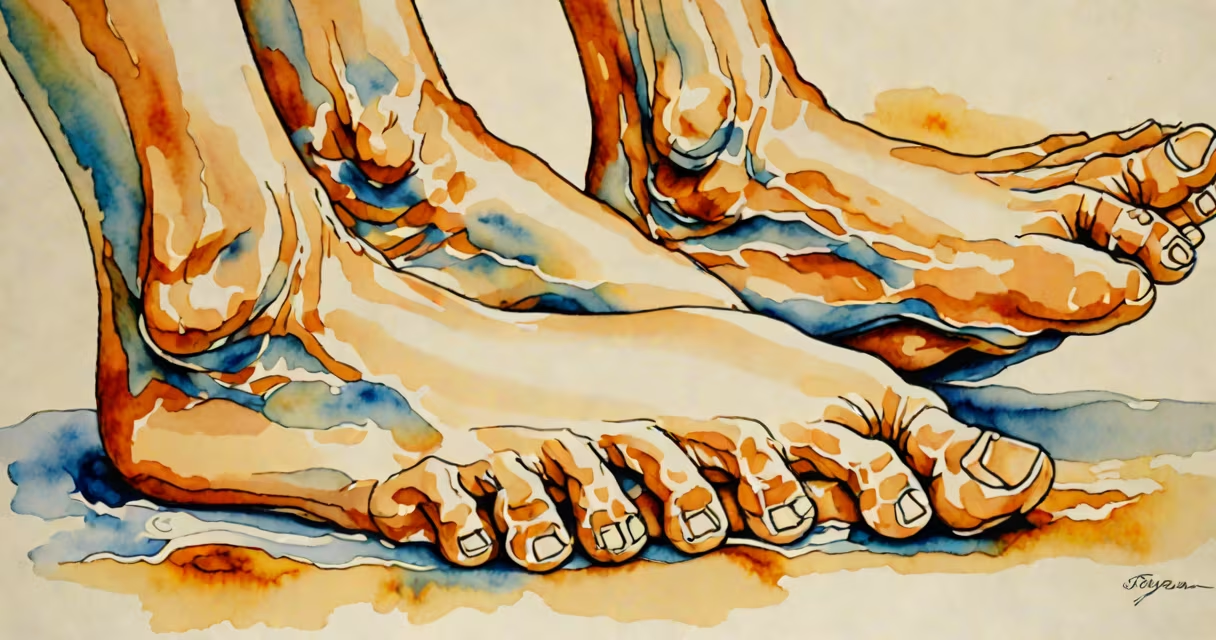
Instep pain cause refers to the specific physical or structural reasons behind discomfort along the top of the foot between the ball and the ankle. Common causes include overuse injuries, biomechanical imbalances, footwear issues, or systemic conditions affecting connective tissue.
The instep, or the arch region of the foot, supports body weight during standing and walking. When stressed beyond normal limits, pain arises. This pain may feel sharp, dull, or throbbing depending on the root issue. Identifying the correct instep pain cause is essential for effective treatment and recovery.
Pain in the instep typically results from strain on ligaments, tendons, or bones in the midfoot. The primary structures involved are the dorsal ligaments, the extensor tendons, and the navicular bone. Repeated impact-such as running or prolonged standing-can overload these tissues, leading to microtears and inflammation.
For example, a runner logging 60 miles per week without proper rest may develop stress-related pain in the instep due to cumulative strain on the tarsal bones. Without intervention, this can progress to a stress fracture, especially if calcium intake is low or training volume increases too quickly.
Overpronation-where the foot rolls inward excessively during gait-also contributes. It stretches the plantar fascia and tightens the posterior tibial tendon, indirectly increasing tension across the instep. A 2021 study in the Journal of Foot and Ankle Research found that 68% of patients with chronic instep pain had abnormal foot mechanics during walking.
Instep pain cause varies widely. Below are the most frequent origins, ranked by prevalence in clinical settings:
| Type | Key Features | Typical Triggers | Prevalence |
|---|---|---|---|
| Plantar fasciitis | Pain under the heel radiating to the arch; worse in morning steps | Long-distance walking, high heels, flat feet | ~10% of runners report symptoms annually |
| Stress fracture | Dull, localized pain worsened by activity; swelling may occur | Sudden increase in training, osteoporosis, poor nutrition | Occurs in ~3% of athletes per year |
| Tendonitis (extensor tendons) | Pain on top of foot, especially during toe extension | High-impact sports, tight shoes, repetitive dorsiflexion | Common in dancers and runners |
| Neuroma (Morton's neuroma) | Burning, numbness between toes; sometimes felt on instep | Wearing narrow shoes, high heels, foot deformities | More common in women aged 40-60 |
One non-obvious distinction: plantar fasciitis causes pain under the heel and arch, not on top. Confusing it with instep pain leads to ineffective treatment. True instep pain occurs higher on the foot, near the midfoot bones.
Many assume instep pain is due to "flat feet" or "bad shoes." While both contribute, they're not always the root cause. For instance, a 38-year-old office worker reported persistent instep pain after switching to minimalist footwear. Initial diagnosis was "overuse," but imaging revealed a stress fracture in the second metatarsal.
This case highlights a key error: assuming all foot pain is mechanical. Systemic conditions like rheumatoid arthritis or diabetes can cause nerve compression or reduced blood flow, mimicking mechanical pain. A 2020 review in Foot & Ankle International noted that 12% of unexplained foot pain cases were linked to undiagnosed metabolic or autoimmune disorders.
Another misstep is treating pain with over-the-counter inserts without assessing gait or foot structure. A 2019 study showed that 44% of people using generic orthotics for instep pain saw no improvement-because the insert didn't match their arch height or foot type.
Consider a 29-year-old marathoner who began experiencing sharp instep pain after increasing weekly mileage from 30 to 50 miles. She wore lightweight racing flats and trained on hard pavement. Pain started at mile 18, worsened over days, and persisted even at rest.
She visited a podiatrist. Imaging revealed a stress fracture in the second metatarsal. Her diet lacked sufficient vitamin D and calcium-key nutrients for bone repair. She had also increased training volume by 65% in four weeks, exceeding the recommended 10% weekly increase.
After six weeks of rest, nutritional support, and custom orthotics, her pain resolved. This case illustrates that instep pain cause is rarely isolated-it involves training load, nutrition, footwear, and individual anatomy.
If pain lasts more than 3-5 days despite rest, ice, and proper footwear, seek evaluation. Self-diagnosis risks delaying treatment for serious issues like stress fractures or nerve entrapment.
Start with conservative care: reduce activity, wear supportive shoes with a rigid heel counter, apply ice for 15 minutes twice daily, and stretch the calf and Achilles tendon. Avoid going barefoot on hard surfaces.
If pain persists, consult a healthcare provider. Imaging-X-ray, MRI, or ultrasound-may be needed. A physical exam can differentiate between tendonitis, stress fracture, or nerve involvement.
For those with recurring issues, consider a gait analysis. A 2022 study in Journal of Orthopaedic & Sports Physical Therapy found that runners who underwent gait assessment reduced injury recurrence by 41% over 12 months.
Instep pain cause is often mistaken for other foot or leg issues. For example, sciatica can refer pain to the top of the foot, but it originates in the lower back. Similarly, tarsal tunnel syndrome compresses the posterior tibial nerve, causing burning or tingling on the inner instep-but it's not mechanical strain.
Understanding instep pain cause requires separating symptom patterns from root causes. Not all foot pain is the same. Accurate identification prevents unnecessary treatments and speeds recovery.