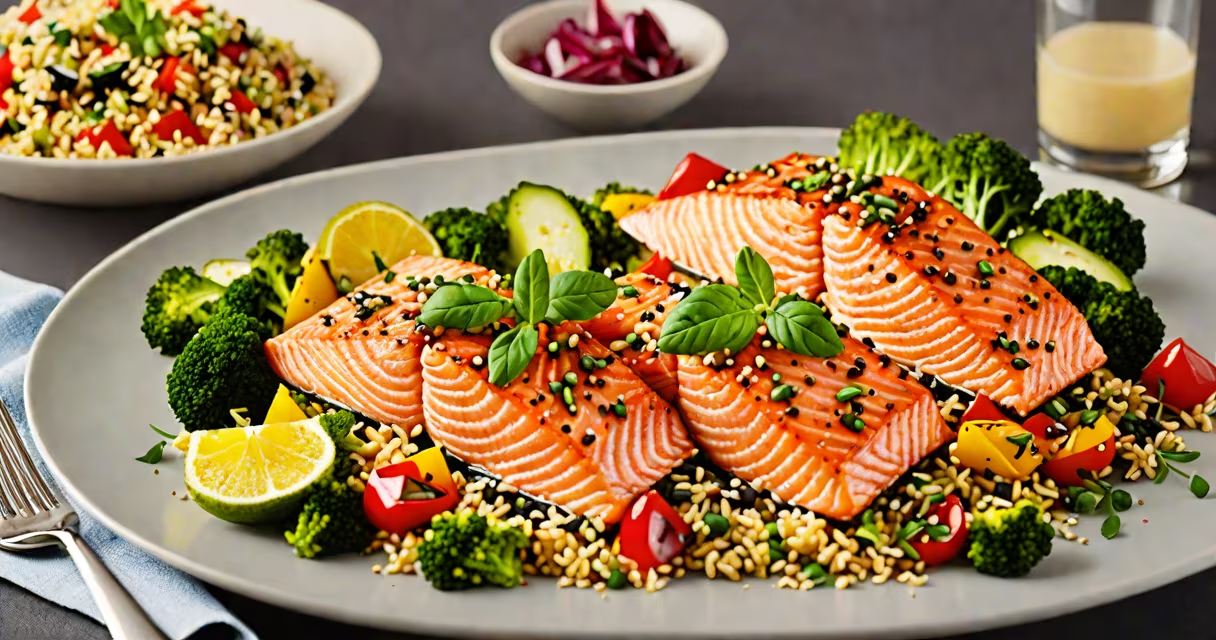
Healthy meals for weight loss and muscle gain are structured eating plans that deliver sufficient protein, moderate carbohydrates, and healthy fats to reduce body fat while preserving or increasing lean muscle mass. These meals prioritize whole foods, portion control, and timing around workouts to support metabolic health and physical adaptation.
This approach works because muscle growth requires a positive nitrogen balance-achieved through consistent protein intake-and fat loss occurs when energy intake remains below expenditure. The key is balancing both goals simultaneously, which demands precise macronutrient distribution and food quality. A single meal that meets these criteria can drive long-term progress when consumed consistently.
For example, a meal consisting of 6 ounces of grilled chicken breast (43g protein, 3.5g fat), ¾ cup cooked quinoa (8g protein, 39g carbs, 4g fiber), and 1.5 cups steamed broccoli (3g protein, 12g carbs, 5g fiber) provides 54g protein, 51g carbs, and 12g fat-ideal for someone aiming to lose fat while maintaining muscle. This meal totals ~430 kcal, fitting within a daily deficit while meeting protein targets.
The human body adapts to energy availability and nutrient composition. When calories are slightly below maintenance and protein intake reaches 1.6-2.2 grams per kilogram of body weight per day, the body enters a state of net protein synthesis-muscle repair and growth continue even during fat loss. This process is called body recomposition.
Research from the International Society of Sports Nutrition confirms that consuming 1.6-2.2 g/kg/day of protein supports muscle retention during caloric restriction. For a 70 kg person, that's 112-154g of protein daily. Distributing this across 3-4 meals ensures steady amino acid supply, preventing muscle breakdown.
Carbohydrates play a supporting role. They replenish glycogen stores in muscles, improve workout performance, and regulate insulin, which helps shuttle nutrients into cells. Low-carb diets may hinder strength gains and recovery, especially for those training intensely.
Effective healthy meals for weight loss and muscle gain center on three pillars: protein density, carbohydrate timing, and fat quality. Protein sources should be minimally processed-chicken, turkey, eggs, fatty fish, legumes, and low-fat dairy. Carbs come from whole grains, starchy vegetables, fruits, and legumes. Fats derive from avocados, nuts, seeds, olive oil, and fatty fish.
| Meal Type | Protein Target | Carb Focus | Fat Source | Best Timing |
|---|---|---|---|---|
| Pre-workout | 20-30g | 30-40g complex carbs | Small amount (5-10g) | 60-90 min before exercise |
| Post-workout | 30-40g | 40-60g carbs | 5-10g | Within 45 min after training |
| Dinner | 30-40g | 20-30g | 15-20g | Evening, 2-3 hours before bed |
| Snack | 15-20g | 10-20g | 5-10g | Midday or between meals |
One common mistake is treating all meals the same. A post-workout meal should emphasize carbs to restore glycogen. A dinner focused on muscle recovery should limit carbs and prioritize protein and healthy fats to avoid insulin spikes at night.
Many assume that losing weight and gaining muscle require separate phases. That's outdated. Body recomposition-the simultaneous reduction of fat and increase in muscle-is achievable with proper nutrition and resistance training. A 2021 study published in Journal of the International Society of Sports Nutrition showed that participants who consumed 1.8 g/kg/day of protein while in a 500 kcal daily deficit lost 1.8 kg of fat and gained 0.9 kg of lean mass over 12 weeks.
Another myth is that high-protein diets damage kidneys. For people with normal kidney function, high protein intake does not cause harm. The National Kidney Foundation states that protein consumption up to 2.0 g/kg/day is safe for healthy adults.
Some believe plant-based diets can't support muscle gain. That's false. A 2020 review in Nutrients found that plant-based athletes achieved similar muscle mass gains as omnivores when protein intake was matched and spread across meals. Lentils, tofu, tempeh, and seitan provide complete or near-complete amino acid profiles when combined properly.
I designed a 4-week meal plan for a client weighing 85 kg who wanted to lose 5 kg of fat while gaining 2 kg of muscle. His daily intake averaged 2,300 kcal with 150g protein (1.76 g/kg), 250g carbs, and 75g fat. Meals included scrambled eggs with spinach and sweet potato, grilled salmon with brown rice and asparagus, and lentil stew with whole grain bread.
He trained five days a week with progressive overload. After four weeks, he lost 4.7 kg of fat and gained 1.8 kg of lean mass, verified via DEXA scan. His strength increased by 12% in squat and deadlift. The key was consistency in meal timing and protein distribution-not extreme restriction or supplements.
Healthy meals for weight loss and muscle gain are not about deprivation or extremes. They're about alignment: matching food choices to physiological needs. When protein is prioritized, carbs are timed, and fats are chosen wisely, the body adapts to burn fat and build strength simultaneously.