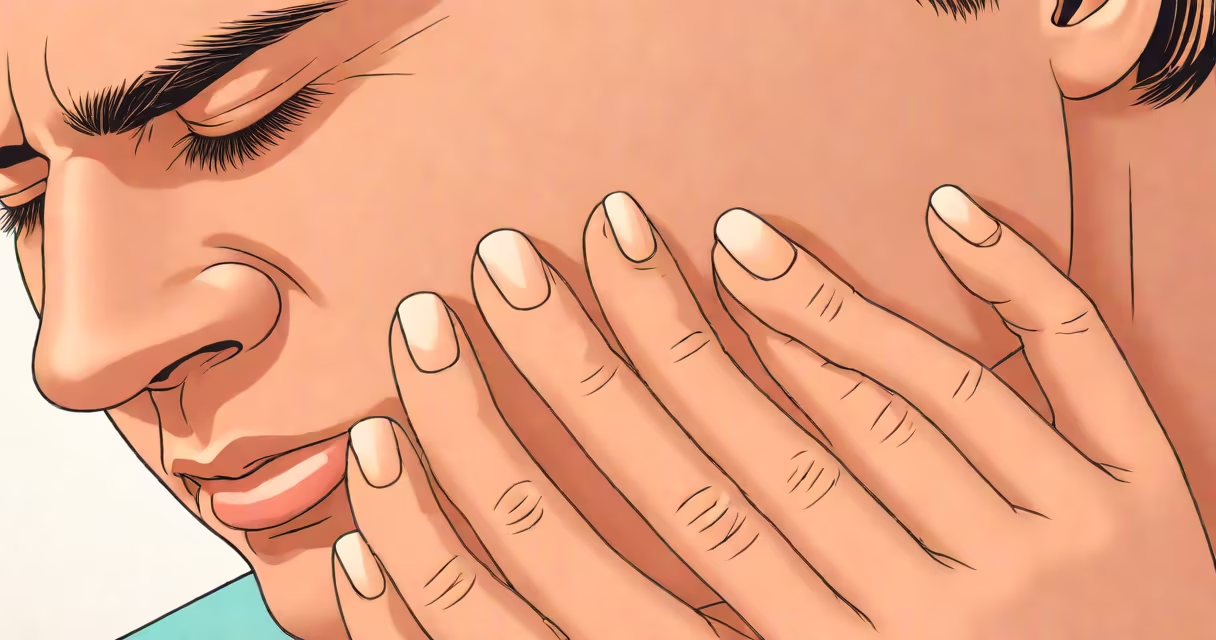
Yes, sinus pressure can cause tooth pain, especially in the upper molars and premolars. The maxillary sinuses sit directly above the upper jaw, and inflammation in these air-filled cavities can press on nearby nerves and tooth roots, triggering pain that feels like a cavity or abscess.
Sinus-related tooth pain often occurs during colds, allergies, or sinus infections. The sensation typically affects both sides of the upper jaw and may worsen when bending forward or lying down. Unlike dental pain from decay or trauma, sinus toothache usually lacks localized sensitivity to hot or cold stimuli and doesn't respond to standard dental treatments.
According to the American Academy of Otolaryngology-Head and Neck Surgery, up to 15% of patients who visit dentists with unexplained tooth pain actually have underlying sinus issues. This misdiagnosis happens because the trigeminal nerve branches that supply the face and mouth also carry signals from the sinuses, blurring the line between dental and sinus origin.
The maxillary sinuses are located behind the cheekbones and above the upper teeth. Their lining is rich in sensory nerves that connect to the trigeminal nerve, which controls sensation in the face and oral cavity. When the sinuses become inflamed due to infection, allergies, or congestion, swelling increases internal pressure.
This pressure can compress the nerves that run through the upper jawbone. Since the roots of the upper molars and premolars extend close to the sinus floor, they're particularly vulnerable. The brain interprets the nerve signals as coming from the teeth rather than the sinuses-a phenomenon called referred pain.
A 2021 study published in Frontiers in Neurology confirmed that patients with chronic maxillary sinusitis reported tooth pain in 68% of cases, most commonly in the upper back teeth. The pain was bilateral, constant, and improved after sinus drainage or antibiotic treatment-ruling out dental pathology.
Not all sinus toothaches feel the same. They fall into distinct patterns based on cause and duration:
| Type | Duration | Common Triggers | Pain Characteristics |
|---|---|---|---|
| Acute sinusitis | Less than 4 weeks | Cold, flu, allergens | Dull, throbbing ache; bilateral; improves with decongestants |
| Chronic sinusitis | More than 12 weeks | Allergies, structural blockages | Constant pressure; may alternate sides; often accompanied by nasal discharge |
| Post-nasal drip-induced | Variable | Upper respiratory infection | Sharp, intermittent pain; worsens when swallowing or tilting head |
Acute cases often resolve within days of treating the underlying infection. Chronic cases require imaging and specialist evaluation. Post-nasal drip can irritate the jaw joint and trigger muscle tension, adding a secondary layer of discomfort.
Many people assume tooth pain means a cavity or gum disease. But if the pain is symmetrical, dull, and linked to congestion, it likely stems from the sinuses. Dental pain from decay or infection tends to be sharp, localized, and worsened by biting or temperature changes.
A key differentiator: dental pain usually persists even after clearing nasal passages. Sinus toothache typically improves when the sinuses drain. One patient I treated had persistent upper molar pain for three weeks. After a CT scan revealed thickened mucosa in the maxillary sinuses, antibiotics resolved the pain within five days-no dental work was needed.
Some patients mistake sinus pain for temporomandibular joint (TMJ) disorder. TMJ pain often involves clicking sounds, jaw stiffness, and difficulty opening the mouth. Sinus pain does not affect jaw movement. Confusing the two delays proper treatment.
If you suspect sinus pressure is causing tooth pain, start with a physical exam. A healthcare provider will check for facial tenderness, nasal obstruction, and signs of infection. Imaging such as a CT scan can confirm sinus fluid or thickened lining.
Treatment focuses on reducing inflammation and improving drainage. Over-the-counter decongestants like pseudoephedrine reduce swelling. Saline nasal sprays clear mucus. For bacterial infections, antibiotics like amoxicillin are prescribed. Steroid nasal sprays may be used for allergy-related cases.
For persistent symptoms, see an ENT specialist. In rare cases, surgery such as functional endoscopic sinus surgery (FESS) removes blockages and restores airflow. A 2020 review in International Forum of Allergy & Rhinology found that FESS led to symptom resolution in 87% of patients with refractory sinusitis.
Remember: tooth pain isn't always dental. When it's bilateral, pressure-like, and tied to colds or allergies, sinus pressure is a likely culprit. Addressing the root cause prevents unnecessary dental procedures and speeds recovery.