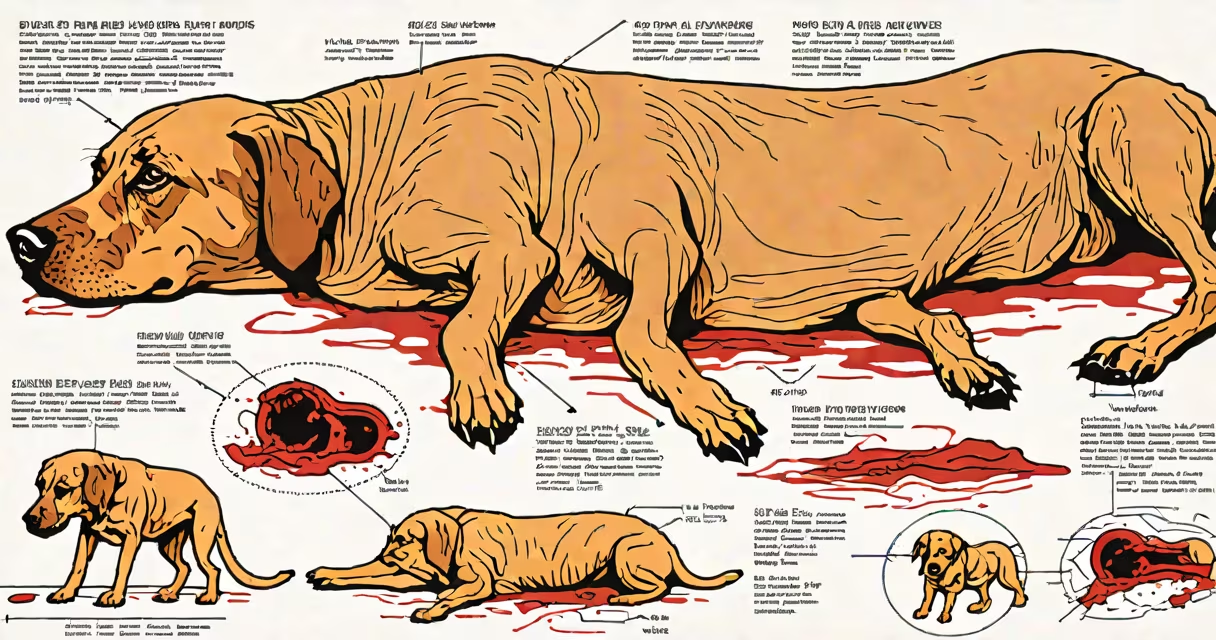
Bleeding from a dog's anus indicates blood in or around the rectal area, often appearing as fresh red streaks in feces, drops on the floor, or blood near the tail. This symptom signals a medical issue requiring prompt attention.
When blood appears in a dog's stool or around the anus, it usually originates from the lower gastrointestinal tract-specifically the colon, rectum, or anal sacs. The color and consistency of the blood provide clues: bright red suggests fresh bleeding near the exit, while dark or tarry blood points to higher digestive tract issues. A single episode may stem from minor irritation, but recurring or heavy bleeding demands veterinary evaluation.
According to the American Kennel Club, rectal bleeding in dogs ranks among the top reasons pet owners seek urgent care. The condition is not a diagnosis-it's a sign of underlying problems ranging from dietary indiscretion to life-threatening diseases.
Blood in the anal region results from damage to blood vessels lining the lower bowel or surrounding tissues. Causes include inflammation, trauma, or abnormal tissue growth. When the intestinal lining becomes irritated or ulcerated, capillaries rupture during defecation, releasing blood into the stool or onto the skin.
Dogs with diarrhea often pass blood due to increased intestinal motility and mucosal irritation. Inflammatory bowel disease (IBD), colitis, or parasitic infections like whipworms or giardia can inflame the colon, leading to bleeding. Anal sacs-small glands near the anus-can become infected or impacted, causing pain and bleeding during or after defecation.
A 2021 study published in Veterinary Record found that 37% of dogs presenting with rectal bleeding had a confirmed parasitic infection, with Trichuris vulpis (whipworm) being the most common culprit. These worms embed in the intestinal wall, causing chronic inflammation and micro-tears.
Not all rectal bleeding is the same. The location and appearance of blood help narrow down the cause:
| Appearance | Most Likely Cause | Key Indicator |
|---|---|---|
| Bright red streaks in stool | Colitis, anal fissures, hemorrhoids | Bleeding near the anus; often linked to straining |
| Red blood mixed throughout stool | Parasites, bacterial infection, IBD | Indicates inflammation in the large intestine |
| Tarry or black stools | Upper GI bleeding, ulcers, clotting disorders | Sign of digested blood; requires immediate vet care |
| Blood clots or mucus with blood | Anal sac disease, polyps, tumors | May indicate structural abnormalities |
Anal sac impaction is a frequent cause of bloody discharge. These glands secrete a foul-smelling fluid normally, but when blocked, they swell and rupture, causing pain and bleeding. Dogs may drag their rear on the floor (scooting) and lick the area excessively.
One non-obvious fact: dogs don't get hemorrhoids like humans. The term "hemorrhoid" is sometimes misused in pet forums. True hemorrhoids involve enlarged veins in the anal canal, which are rare in canines. What owners mistake for hemorrhoids is typically anal sac disease or anal fissures from hard stools.
Any rectal bleeding warrants a vet visit. Delaying care risks worsening conditions such as intestinal obstruction, severe infection, or cancer. The American Veterinary Medical Association recommends evaluating any new or persistent bleeding within 24-48 hours.
Consider emergency care if your dog shows additional symptoms: lethargy, vomiting, loss of appetite, or signs of pain (whining, tensing muscles). Blood loss can lead to anemia, especially in small breeds or older dogs.
I once observed a 7-year-old Shih Tzu brought in with bright red blood on the carpet. The owner assumed it was from a minor injury. After a physical exam and fecal test, we diagnosed whipworm infestation. The dog had no diarrhea but passed blood intermittently. Treatment with fenbendazole cleared the infection in three weeks. This case illustrates how subtle rectal bleeding can be-and how easily it's overlooked.
Vets begin with a history and physical exam, including a rectal examination. They check for swelling, masses, or pain. Fecal tests detect parasites, bacteria, or protozoa. Blood work assesses hydration, anemia, and organ function.
If parasites are ruled out, imaging like abdominal ultrasound or colonoscopy may be needed. A biopsy of suspicious tissue can confirm cancer, such as adenocarcinoma, which accounts for about 15% of rectal tumors in dogs, according to the Journal of Veterinary Internal Medicine.
Treatment varies by cause. Whipworms require specific dewormers like fenbendazole. Anal sac impactions are drained and flushed under sedation. Antibiotics treat bacterial colitis. Inflammatory conditions may need steroids or immune-modulating drugs.
For persistent cases, referral to a veterinary gastroenterologist may be necessary. Early intervention improves outcomes-especially in cases involving tumors, where early surgical removal increases survival rates.
Do not assume bleeding is due to diet alone. While sudden changes in food can cause mild irritation, they rarely cause visible blood. Avoid home remedies like pumpkin puree or probiotics as primary treatments-they may mask symptoms.
Never ignore blood in the stool. Even if your dog acts normal, internal damage can progress silently. A single episode doesn't rule out serious illness. The Merck Veterinary Manual states that 20% of dogs with rectal bleeding have a malignant tumor upon diagnosis, even without weight loss or lethargy.
Monitor your dog's stool daily. Note the frequency, color, and presence of blood. Keep a log. This helps your vet identify patterns and triggers.
Why is my dog bleeding from the anus? It's a warning sign. The answer lies in the cause-not the symptom. Addressing it promptly prevents complications and improves recovery chances.