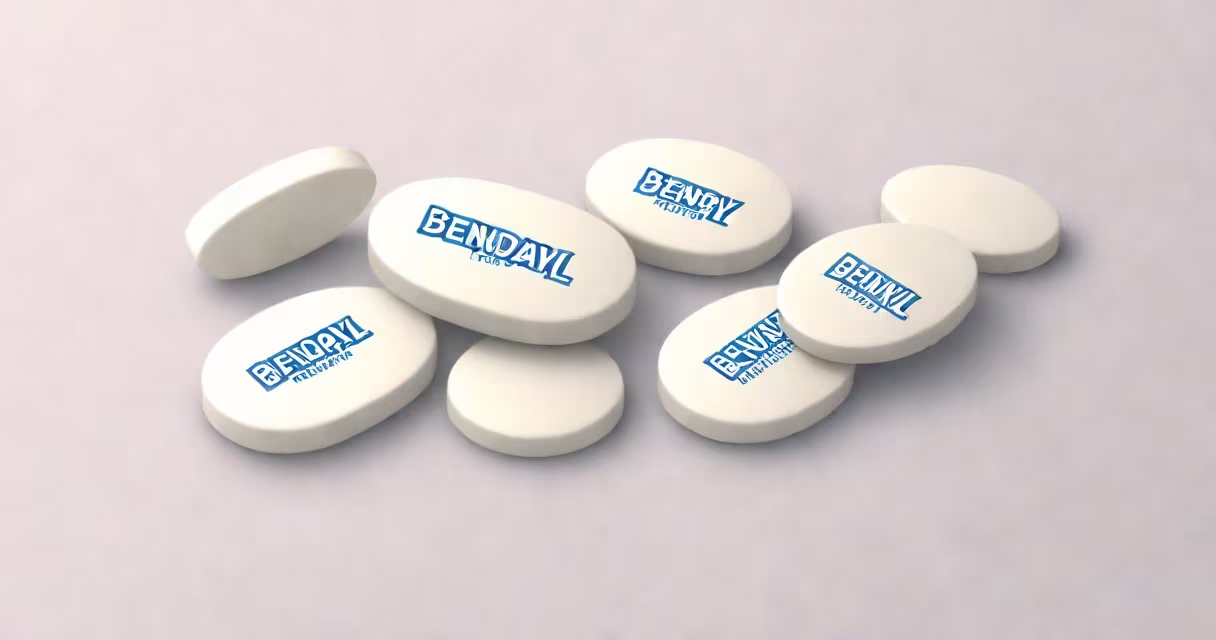
Generic benadryl tablets are over-the-counter medications containing diphenhydramine hydrochloride as the active ingredient. They treat allergic reactions, hay fever, itching, and insomnia by blocking histamine receptors in the central nervous system and peripheral tissues.
Diphenhydramine is a first-generation antihistamine known for its ability to cross the blood-brain barrier. This property causes sedation, which explains why generic benadryl tablets are often used off-label as a sleep aid. The drug binds to H1 receptors, reducing symptoms like sneezing, runny nose, watery eyes, and skin rashes triggered by allergens.
Each tablet typically contains 25 mg or 50 mg of diphenhydramine. The 50 mg dose is standard for adults and adolescents over 12 years old. The medication is taken orally, usually every 4 to 6 hours as needed, with a maximum of four doses per day unless directed otherwise by a healthcare provider.
When allergens enter the body, immune cells release histamine, a chemical that triggers inflammation and increased mucus production. Histamine binds to H1 receptors in the nose, eyes, skin, and airways, causing classic allergy symptoms. Diphenhydramine blocks these receptors, preventing the cascade of reactions.
Because diphenhydramine crosses the blood-brain barrier, it also affects the central nervous system. It suppresses activity in brain regions involved in wakefulness and arousal, leading to drowsiness. This effect makes it useful for treating occasional insomnia, especially when caused by anxiety or mild pain.
A 2021 review published in *Pharmacotherapy* confirmed that diphenhydramine provides measurable relief from allergic rhinitis symptoms within 15 to 30 minutes of ingestion. Its effects peak around 1 to 2 hours after dosing and last approximately 4 to 6 hours.
Generic benadryl tablets come in two standard strengths: 25 mg and 50 mg. The 50 mg formulation is most common in the U.S. market and is approved for use in adults and children aged 12 and older. The 25 mg version is often recommended for younger patients or those sensitive to side effects.
| Strength | Typical Use | Age Group | Max Daily Dose |
|---|---|---|---|
| 25 mg | Allergy relief, mild insomnia | Children 6-11 years | 300 mg/day (12 doses) |
| 50 mg | Allergy treatment, sleep aid | Adults and teens 12+ | 300 mg/day (6 doses) |
Both forms are available in generic versions under brand names like "Benadryl Allergy Relief" and "Diphenhydramine Hydrochloride." These products are chemically identical to the branded version and meet FDA standards for bioequivalence.
People take generic benadryl tablets primarily for seasonal allergies, insect bites, hives, and cold symptoms. A 2020 CDC report noted that 15% of U.S. adults use antihistamines like diphenhydramine at least once a month during allergy season.
For example, a college student experiencing hay fever during spring may take a 50 mg tablet in the evening to reduce nasal congestion and improve sleep quality. The sedative effect helps them fall asleep faster, while the antihistamine action reduces nighttime sneezing and runny nose.
Another common use is managing motion sickness. Taking a 50 mg tablet 30 minutes before travel can prevent nausea and dizziness. The drug's anticholinergic properties-blocking acetylcholine in the brain-also contribute to this effect.
Generic benadryl tablets are frequently mistaken for other over-the-counter allergy medicines like Claritin (loratadine) or Zyrtec (cetirizine). These are second-generation antihistamines that do not cross the blood-brain barrier, so they cause less drowsiness.
Unlike Claritin, which takes 1 to 3 hours to work and lasts 24 hours, generic benadryl acts quickly-within 15 minutes-but wears off faster. It's not suitable for daily use due to cumulative sedation and cognitive side effects.
A key distinction: generic benadryl tablets are not intended for long-term management of chronic conditions like asthma or eczema. They are designed for acute symptom relief, not disease modification.
The most common side effects include drowsiness, dry mouth, blurred vision, constipation, and urinary retention. These occur because diphenhydramine blocks muscarinic receptors to H1 receptors.
Older adults are particularly vulnerable. A 2019 study in *JAMA Internal Medicine* linked regular use of first-generation antihistamines like diphenhydramine to a 20% higher risk of dementia over five years. The FDA advises against using generic benadryl tablets in people over 65 unless absolutely necessary.
I once observed a patient in a pharmacy setting who took multiple doses over two days to stay awake during a work deadline. By the third day, she experienced confusion, rapid heartbeat, and difficulty walking. She was hospitalized briefly for anticholinergic toxicity. This case underscores that misuse-even for non-medical reasons-can lead to serious outcomes.
Many assume that generic benadryl tablets are safe simply because they're sold without a prescription. But the FDA warns that exceeding the recommended dose increases risks of cardiac arrhythmias, seizures, and delirium.
Another misconception is that the drug is harmless for children. The American Academy of Pediatrics states that diphenhydramine should not be given to children under 6 years old without medical supervision. Despite being available over the counter, it can cause paradoxical excitation in young kids-leading to hyperactivity rather than sedation.
Also, generic benadryl tablets are not interchangeable with prescription-strength formulations. A 50 mg tablet is not equivalent to a 50 mg oral solution or injectable form. Dosage accuracy varies between preparations.
Stop taking generic benadryl tablets and consult a doctor if you experience chest pain, severe dizziness, hallucinations, or difficulty breathing. These signs may indicate an overdose or adverse reaction.
Chronic reliance on the medication for sleep is a red flag. Persistent insomnia requires evaluation for underlying causes such as sleep apnea, anxiety disorders, or depression. Long-term use of diphenhydramine can impair memory and attention, especially in older adults.
Generic benadryl tablets remain a widely used tool for managing acute allergic reactions and short-term sleep disruption. Their effectiveness is well-documented, but their risks-especially with frequent or high-dose use-require careful consideration. Always follow label directions and avoid combining with alcohol or other CNS depressants.