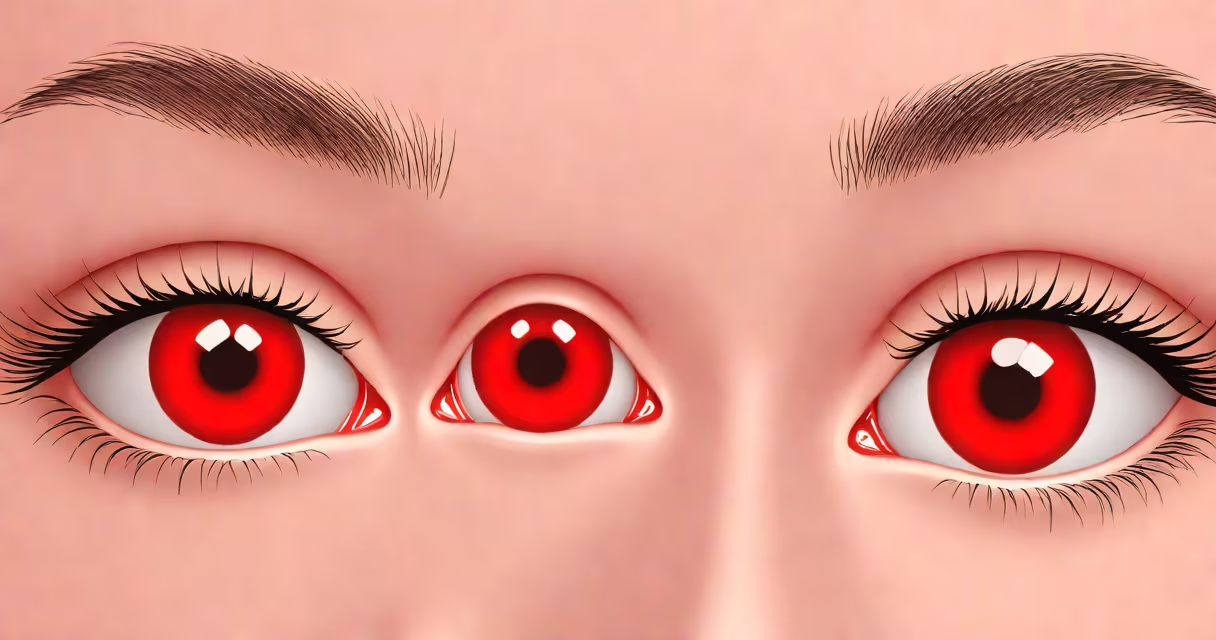
Both eyes are red when blood vessels in the conjunctiva-the thin membrane covering the white of the eye-become swollen and dilated. This condition often results from irritation, infection, or systemic factors like dehydration. It's not a diagnosis but a symptom requiring context to interpret.
Redness in both eyes typically stems from increased blood flow near the surface of the eye. The conjunctiva contains a dense network of capillaries. When irritated, these vessels widen to deliver immune cells and nutrients. This response causes visible redness, sometimes accompanied by itching, burning, or tearing.
Common triggers include viral infections like adenovirus, allergic reactions to pollen or dust, dry air from indoor heating, or prolonged screen use. In rare cases, redness may signal uveitis or glaucoma-conditions needing urgent care. The presence of discharge, pain, or vision changes shifts the urgency.
The process begins with a stimulus-chemical, mechanical, or biological-that activates mast cells and endothelial cells in the conjunctiva. These release histamine and cytokines, causing vasodilation and increased permeability. Fluid leaks into surrounding tissue, leading to swelling and redness.
When both eyes are affected simultaneously, the cause is usually systemic or environmental. For example, exposure to chlorine in swimming pools affects both eyes uniformly. Similarly, seasonal allergens like ragweed pollen trigger bilateral symptoms because they reach both eyes through airborne particles.
A key diagnostic clue: unilateral redness (one eye) suggests localized issues such as a foreign body, corneal abrasion, or bacterial conjunctivitis. Bilateral redness points toward conditions affecting both eyes equally-either widespread exposure or internal factors like dehydration or autoimmune activity.
Not all redness is the same. The pattern, timing, and associated symptoms help distinguish between causes. Below are common categories:
| Type | Key Features | Typical Triggers | Duration |
|---|---|---|---|
| Conjunctivitis (pink eye) | Redness, watery discharge, mild itch | Viral (adenovirus), bacterial, allergic | 3-14 days |
| Refractive strain | Burning, fatigue, dryness | Screen time, reading, poor lighting | Hours to days |
| Allergic reaction | Itching, swelling, clear discharge | Pollen, pet dander, mold | Days to weeks during exposure |
| Dehydration-related | Dryness, gritty sensation, reduced tear film | Low fluid intake, high heat, fever | Resolves with hydration |
One non-obvious distinction: viral conjunctivitis often starts in one eye and spreads to the other within 24-48 hours. This progression is a sign of adenovirus infection. If both eyes are red from day one, especially with mild fever or sore throat, consider early-stage viral illness.
Another overlooked factor: medications. Antihistamines, decongestants, and some antidepressants reduce tear production. Long-term use can lead to dry eye syndrome, which presents as both eyes are red, especially in the morning.
Many assume both eyes are red means "eye infection." But infection is only one possibility. Allergies, dryness, and even stress-induced vasoconstriction can mimic infectious redness. A 2021 study in Cornea found that 62% of patients presenting with bilateral redness had no infectious cause-most were allergic or dry eye related.
Another misconception: redness always requires antibiotic drops. Antibiotics treat bacterial infections only. Using them for viral or allergic redness worsens resistance and delays recovery. The American Academy of Ophthalmology states that antibiotics should not be prescribed unless confirmed bacterial culture or clinical signs support it.
Some people believe redness means "you're contagious." While viral conjunctivitis is contagious, not all redness is. If both eyes are red but you have no cold symptoms, fever, or recent contact with sick individuals, transmission risk is low.
In July 2022, a 34-year-old office worker reported both eyes are red after a 12-hour workday with minimal water intake. He used screens continuously, sat under AC, and drank only coffee. His eyes felt gritty, and he noticed bloodshot whites upon waking.
He visited an optometrist. Slit-lamp exam showed reduced tear breakup time-indicating poor tear film stability. Blood tests ruled out infection. Diagnosis: dehydration-induced dry eye. After increasing daily water intake to 2.5 liters and using preservative-free artificial tears, redness resolved in 48 hours.
This case illustrates that both eyes are red doesn't always mean infection. Systemic factors like hydration status impact ocular health. The National Institutes of Health notes that even mild dehydration reduces tear volume by up to 30%, increasing vulnerability to redness and discomfort.
Both eyes are red is usually benign-but seek medical evaluation if:
These signs may indicate uveitis, acute angle-closure glaucoma, or corneal ulceration-conditions that can cause permanent vision loss if untreated.
For mild cases, home care includes cool compresses, avoiding eye rubbing, and reducing screen time. Artificial tears without preservatives can restore moisture. Avoid over-the-counter "get the red out" drops-they constrict blood vessels temporarily but can rebound with worsening redness after discontinuation.
I once treated a patient with both eyes are red after a long-haul flight. She'd worn contacts for 16 hours and didn't blink enough. Her eyes were red, dry, and sensitive. After removing the lenses and applying lubricant, redness faded in 30 minutes. The lesson: prolonged contact wear without breaks strains ocular surface integrity.
Remember: both eyes are red is a sign, not a diagnosis. Understanding the context-timing, triggers, and accompanying symptoms-leads to accurate action.