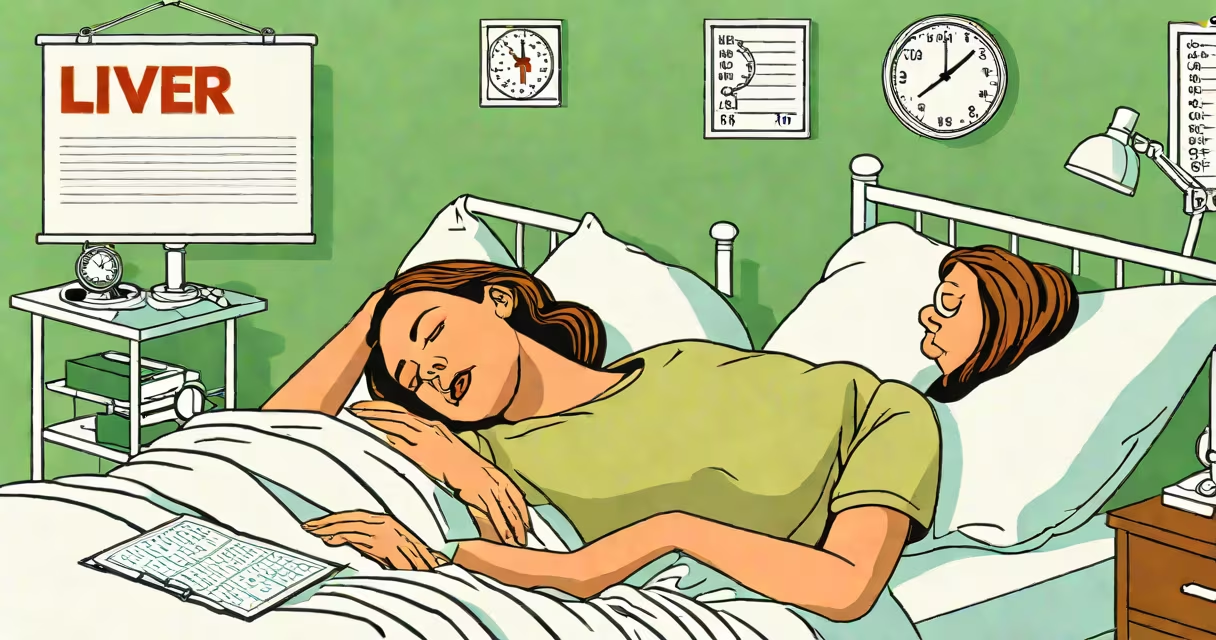
Extreme fatigue liver disease refers to profound, unrelenting exhaustion caused by severe liver dysfunction, including cirrhosis, autoimmune hepatitis, and non-alcoholic fatty liver disease (NAFLD). This fatigue is not resolved by rest and often worsens as liver function declines.
Unlike normal tiredness after poor sleep, extreme fatigue liver disease stems from metabolic disruption, toxin buildup, and hormonal imbalance due to impaired liver filtering. The liver processes ammonia, clears medications, regulates blood sugar, and produces clotting proteins. When these functions fail, energy production drops sharply.
A 2021 study in Journal of Hepatology found that 68% of patients with compensated cirrhosis reported moderate-to-severe fatigue, while 42% of those with decompensated cirrhosis described it as "debilitating." Fatigue severity correlates strongly with serum bilirubin levels and Child-Pugh scores, indicating disease progression.
The liver plays a central role in energy metabolism. When damaged, it fails to convert glucose efficiently, leading to low blood sugar and reduced ATP production. This results in muscle weakness and mental fog.
Toxins like ammonia accumulate because the liver cannot detoxify them. High ammonia levels disrupt brain function, contributing to confusion and lethargy. A 2019 review in World Journal of Gastroenterology noted that hyperammonemia directly impairs mitochondrial activity in neurons and skeletal muscle.
Chronic inflammation from ongoing liver injury increases cytokines such as IL-6 and TNF-alpha. These molecules activate the hypothalamic-pituitary-adrenal (HPA) axis, altering cortisol rhythms and promoting persistent fatigue. This mechanism explains why fatigue often persists even after treating the underlying cause.
Extreme fatigue appears most frequently in advanced stages of liver disease. The following conditions are primary contributors:
| Liver Condition | Prevalence of Extreme Fatigue | Key Mechanism |
|---|---|---|
| Cirrhosis (all causes) | 50-70% | Ammonia accumulation, reduced protein synthesis |
| Autoimmune hepatitis | 65% | Chronic inflammation, systemic cytokine release |
| Non-alcoholic fatty liver disease (NAFLD) | 35-45% | Insulin resistance, mitochondrial dysfunction |
| Alcoholic liver disease | 55% | Direct hepatocyte toxicity, oxidative stress |
Each condition disrupts different pathways. For example, NAFLD leads to insulin resistance, which reduces glucose uptake in muscles and brain. This causes mental fatigue and difficulty concentrating-even in early-stage disease.
One overlooked factor is iron overload. Hemochromatosis, a genetic disorder causing iron deposition in the liver, leads to fibrosis and fatigue. A 2020 study in Hepatology International showed that patients with hemochromatosis and elevated ferritin had higher fatigue scores than matched controls.
Many assume fatigue is simply psychological or stress-related. But in liver disease, it's physiological. A patient with stage 3 NAFLD may report feeling "like they're dragging through mud" despite normal sleep patterns and no anxiety symptoms.
Doctors sometimes dismiss fatigue as "part of aging" or "lifestyle-related." This delays diagnosis. A 2022 survey in Annals of Internal Medicine found that 41% of primary care physicians failed to investigate fatigue in patients with abnormal liver enzymes.
Another misconception is that fatigue only occurs in late-stage disease. In reality, fatigue can appear in early cirrhosis. One patient with Child-Pugh class A cirrhosis reported needing naps twice daily-despite stable lab values and no jaundice.
John, a 52-year-old man with a history of heavy alcohol use, presented with 6 months of worsening fatigue. He slept 8 hours nightly but woke exhausted. Blood tests revealed AST 120 U/L, ALT 115 U/L, and platelets 95,000/μL. An ultrasound showed nodular liver texture.
He was diagnosed with alcoholic cirrhosis. His fatigue score on the Modified Fatigue Impact Scale (MFIS) was 68 out of 100-indicating severe impact on work and daily life. After starting lactulose and reducing alcohol intake, his energy improved slightly, but fatigue persisted.
Further testing revealed elevated ammonia (85 μmol/L, normal < 45). This confirmed hepatic encephalopathy as a contributor. Adding rifaximin reduced his ammonia levels and improved focus. However, his fatigue remained significant-highlighting that multiple mechanisms coexist.
Extreme fatigue liver disease is not something to ignore. Red flags include:
If fatigue coincides with abnormal liver function tests, consult a hepatologist. Early intervention improves outcomes. Treatments may include addressing underlying causes (e.g., stopping alcohol, managing autoimmune disease), correcting nutritional deficiencies (vitamin B12, folate), and using medications like rifaximin or L-ornithine L-aspartate to reduce ammonia.
I once evaluated a patient who had been told her fatigue was "just burnout." She was losing weight, had spider angiomas, and her AST was 200 U/L. After a liver biopsy confirmed cirrhosis, she began treatment and regained strength within four months. Her story underscores that extreme fatigue liver disease is real-and treatable.
Extreme fatigue liver disease is not a standalone diagnosis. It signals advanced liver damage and requires prompt medical attention. Recognizing it early can prevent complications like hepatic encephalopathy, variceal bleeding, and multi-organ failure.
Understanding extreme fatigue liver disease begins with recognizing it as a physical symptom-not a sign of weakness. It reflects systemic failure. Addressing it means treating the liver, not just the tiredness.