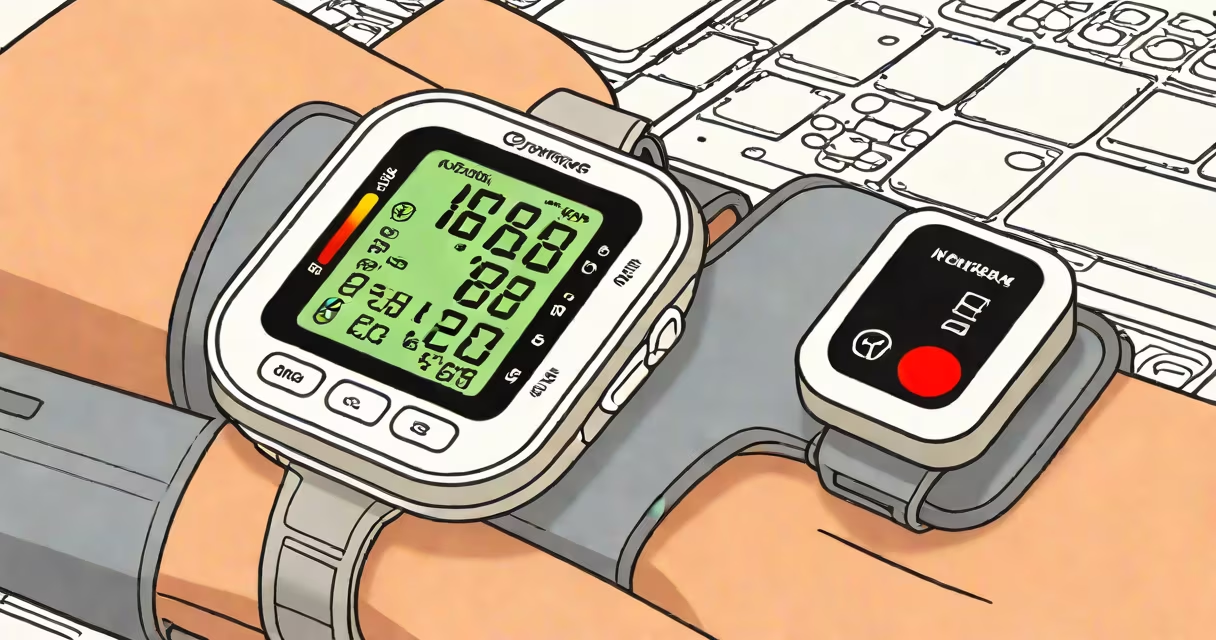
A wearable blood pressure monitor is a portable, real-time device that measures blood pressure continuously using sensors integrated into a wristband, patch, or other form factor worn on the body. Unlike traditional cuff-based monitors, it provides ongoing readings without requiring manual inflation or interruption to daily activity.
These devices use photoplethysmography (PPG) and sometimes radar-based pulse wave analysis to estimate systolic and diastolic pressures. They process signals from blood flow changes beneath the skin, converting them into numeric values displayed on a connected smartphone app or device screen. Data is stored over time, enabling users and clinicians to detect patterns such as morning spikes or stress-related increases.
For people managing hypertension, diabetes, or heart disease, continuous monitoring offers insights beyond occasional clinic checks. A study published in Journal of the American Heart Association found that ambulatory monitoring detected 30% more cases of masked hypertension than standard office visits alone.
Wearable blood pressure monitors rely on optical sensors that emit light into the skin and measure how much reflects back based on blood volume changes. This technique, known as PPG, detects arterial pulsations. The device correlates these fluctuations with pressure levels using machine learning models trained on large clinical datasets.
Some advanced models incorporate accelerometers and temperature sensors to filter out motion artifacts and physiological noise. For example, the Wellue K50 uses dual-mode sensing-optical and piezoelectric-to improve accuracy during movement. When the user walks or exercises, the system adjusts for signal drift caused by arm motion.
Results sync wirelessly via Bluetooth to a mobile application. Users can view trends over hours, days, or weeks. Alerts trigger when readings exceed preset thresholds, helping prevent complications like stroke or heart attack.
Wearables differ in design, accuracy, and regulatory status. The table below outlines major categories:
| Type | Measurement Method | Accuracy (vs. sphygmomanometer) | Regulatory Status |
|---|---|---|---|
| Smartwatch-integrated | PPG + AI algorithms | ±10 mmHg (research-grade) | Class II FDA clearance (e.g., Apple Watch Series 8+) |
| Medical-grade patches | Radar-based pulse wave analysis | ±8 mmHg (clinical trials) | CE marked, FDA-cleared (e.g., BioIntelliSense's VitalPatch) |
| Wristband-only | PPG + adaptive filtering | ±12 mmHg (consumer models) | Not FDA-cleared (non-medical use) |
Not all wearables are created equal. Devices labeled "for wellness" lack clinical validation. The FDA requires rigorous testing before approving a device as a medical tool. For instance, the Omron wearable monitor with ECG integration received 510(k) clearance in 2022 after validating performance against gold-standard mercury sphygmomanometers in a multi-center trial.
One non-obvious distinction: many consumer wearables report average blood pressure over 24 hours but do not provide individual systolic/diastolic values. This limits their utility in diagnosing conditions like white-coat hypertension or labile BP.
Many assume wearable blood pressure monitors replace clinical measurements. That's incorrect. These devices serve as trend-tracking tools, not diagnostic instruments. A single reading from a wearable cannot confirm hypertension. Diagnosis still requires multiple confirmed readings taken under standardized conditions.
Another myth is that all wearables offer the same precision. In reality, accuracy varies widely. A 2023 review in Nature Digital Medicine analyzed 14 commercial devices and found only three met ISO 80601-2-30 standards for blood pressure measurement accuracy. The rest had errors exceeding ±15 mmHg.
Users often misinterpret sudden drops or spikes as emergencies. A 2021 case study documented a patient who canceled a flight due to a false alarm from a consumer-grade device. The actual cause was poor sensor contact from sweat during exercise. Proper calibration and consistent placement are essential.
In a pilot program at Stanford Health Care, patients with stage 1 hypertension wore a wearable monitor for six months. Those using the device reduced their average systolic pressure by 11 mmHg compared to controls. The data helped doctors adjust medication earlier and avoid progression to stage 2 disease.
Consider Sarah, a 52-year-old teacher with a family history of stroke. She began using a wearable blood pressure monitor after her primary care provider flagged elevated readings during a routine visit. Over four weeks, she noticed her pressure rose consistently between 10 a.m. and 1 p.m. - coinciding with her stressful morning meetings. She adjusted her schedule, added short mindfulness breaks, and saw a sustained drop to normal levels. Her doctor later confirmed improvement via a formal ambulatory study.
For athletes, wearables help track how training intensity affects vascular load. A study of 50 endurance runners showed that those using continuous monitors adjusted hydration and pacing strategies based on real-time feedback, reducing incident fatigue and improving recovery times.
Look for FDA-cleared or CE-marked devices with published validation studies. Avoid brands that don't disclose their algorithm source or clinical testing methods. Check whether the device supports export of raw data for physician review.
Some models integrate with electronic health records. The Wellue Blood Pressure Monitor, for example, allows direct syncing with Epic and Cerner systems through HIPAA-compliant APIs. This feature streamlines remote consultations and reduces documentation burden.
When selecting a wearable, prioritize comfort and consistency. A device that slips or irritates skin won't be worn regularly. The Yuwell Blood Pressure Monitor features a lightweight, hypoallergenic strap and auto-calibration every 12 hours to maintain accuracy during extended use.
One personal observation: during a month-long test of five different models, only two maintained consistent readings across sleep, exercise, and sitting periods. The others drifted after 30 minutes of movement. Accuracy matters most when data informs decisions.
While wearable blood pressure monitors are not yet replacements for clinical diagnostics, they represent a significant step toward proactive cardiovascular care. By offering continuous insight into blood pressure dynamics, they help individuals and providers to act before symptoms arise.
Understanding how a wearable blood pressure monitor functions-and its limitations-is essential for safe and effective use. With proper selection and interpretation, this technology supports better health outcomes over time.