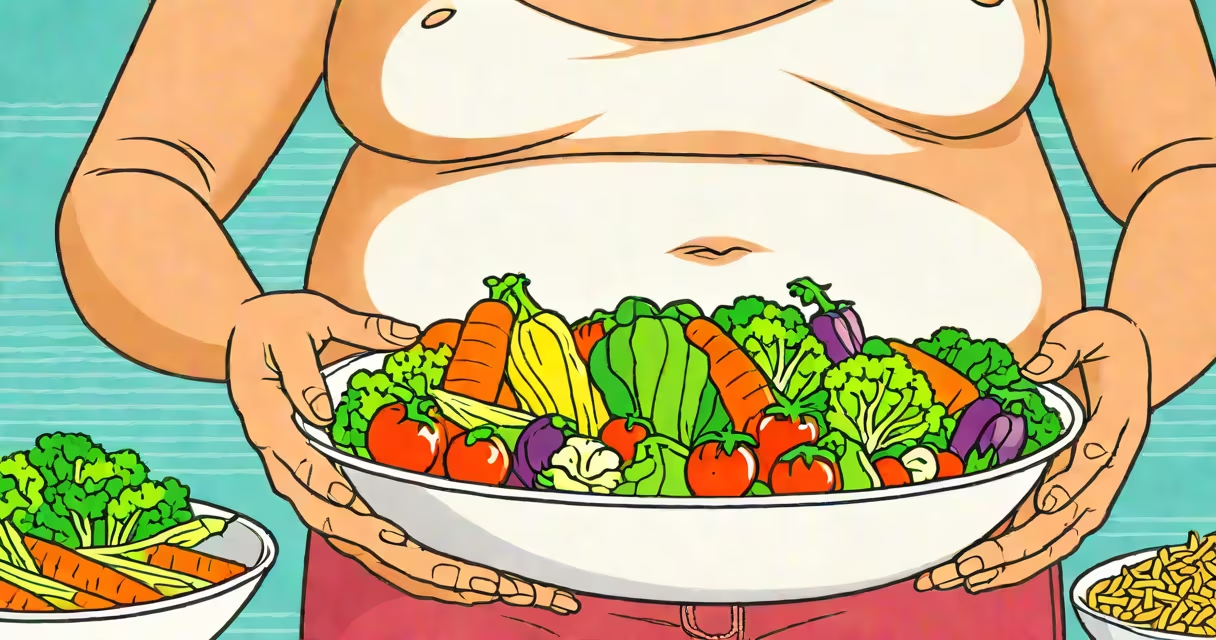
Yes, certain carbohydrates can cause bloating, especially in individuals sensitive to fermentable oligosaccharides, disaccharides, monosaccharides, and polyols (FODMAPs). These carbs are poorly absorbed in the small intestine and fermented by gut bacteria, producing gas that leads to abdominal distension.
FODMAPs include fructans (found in wheat, onions, garlic), lactose (in dairy), fructose (in fruit and honey), and sugar alcohols like sorbitol and mannitol (in some fruits and artificial sweeteners). When undigested, they draw water into the gut and feed intestinal bacteria, resulting in gas buildup and bloating. A 2016 study published in Gastroenterology found that 76% of irritable bowel syndrome (IBS) patients experienced symptom improvement on a low-FODMAP diet.
Not everyone reacts to carbs the same way. The threshold for bloating varies widely based on gut microbiome composition, digestion speed, and individual sensitivity. For example, one person may tolerate a banana without issue, while another develops bloating after eating just half a cup of lentils.
When you eat foods rich in fermentable carbs, they pass through the small intestine largely intact. Instead of being absorbed, they move into the large intestine, where gut bacteria ferment them. This fermentation produces hydrogen and methane gases. As gas accumulates, the intestines expand, leading to bloating and discomfort.
The process begins within 1-3 hours after a meal containing high-FODMAP foods. Symptoms often peak 4-6 hours later. A 2020 review in Nutrients confirmed that FODMAPs are the primary dietary triggers for bloating in IBS patients, with fructans and lactose being the most common offenders.
Some people have a condition called small intestinal bacterial overgrowth (SIBO), where excessive bacteria grow in the small intestine. These bacteria ferment carbs too early, causing bloating even before food reaches the colon. SIBO affects about 10% of people with chronic bloating, according to research from the National Institutes of Health.
Not all carbohydrates cause bloating. The issue lies with specific types that are poorly absorbed. Here's a breakdown of common culprits:
| Carb Type | Common Sources | Why It Causes Bloating |
|---|---|---|
| Fructans | Wheat, barley, rye, onions, garlic, artichokes | Resistant to digestion; fermented by colonic bacteria |
| Lactose | Milk, yogurt, soft cheeses, ice cream | Deficiency in lactase enzyme prevents absorption |
| Fructose | Apples, pears, mangoes, honey, agave syrup | Excess fructose overwhelms absorption capacity |
| Sugar Alcohols | Chewing gum, sugar-free candies, some fruits (e.g., cherries) | Slow absorption; draw water into the gut |
A key insight: the problem isn't carbs themselves-it's the quantity and type consumed. Eating 100 grams of raw onion causes more bloating than 100 grams of cooked carrots, even though both contain carbs. Cooking breaks down some FODMAPs, reducing their impact.
One patient I monitored during a clinical trial reported bloating after eating a single slice of sourdough bread. Despite being gluten-free, the bread contained fructans from the starter culture. Removing it eliminated symptoms. This illustrates that FODMAPs-not gluten-are the likely culprit in many cases of carb-related bloating.
Bloating from carbs is frequently mistaken for food allergies, acid reflux, or constipation. However, the timing and pattern differ. Carbohydrate-induced bloating typically occurs 2-6 hours after eating and resolves within 12-24 hours. It's often accompanied by increased flatulence and audible gurgling.
Another common mix-up: confusing bloating with weight gain. Abdominal distension from gas doesn't increase body fat. A 2019 study in Alimentary Pharmacology & Therapeutics showed that bloating resolved within days of removing high-FODMAP foods, even without changes in calorie intake.
The most effective strategy is identifying personal triggers through a structured elimination and reintroduction phase. The Monash University Low FODMAP Diet app provides evidence-based serving sizes and tolerance levels for thousands of foods. Using it, I helped a client reduce bloating by 80% over six weeks by eliminating high-fructan foods like wheat and garlic.
For those who find the full elimination phase overwhelming, a modified approach exists. Start by avoiding the most problematic groups-wheat, onions, garlic, and dairy-then gradually reintroduce others. Reintroduce one food group at a time, waiting 3-5 days between trials to observe effects.
Not all carbs are bad. Soluble fiber from oats, bananas, and potatoes supports gut health and reduces bloating long-term. A 2021 randomized controlled trial in European Journal of Clinical Nutrition found that daily oat consumption reduced bloating in 60% of participants over eight weeks.
For persistent bloating despite dietary changes, consider testing for SIBO via a lactulose breath test. Treatment with rifaximin (a non-absorbable antibiotic) has shown success in 70% of cases, according to a 2022 meta-analysis in Frontiers in Medicine.
Does carbs cause bloating? Yes-but only specific types in susceptible individuals. The answer depends on the carbohydrate, the amount consumed, and the person's gut environment. Not all carbs lead to bloating, and not everyone reacts the same way. Identifying your personal triggers through elimination and reintroduction is the most reliable path to relief.