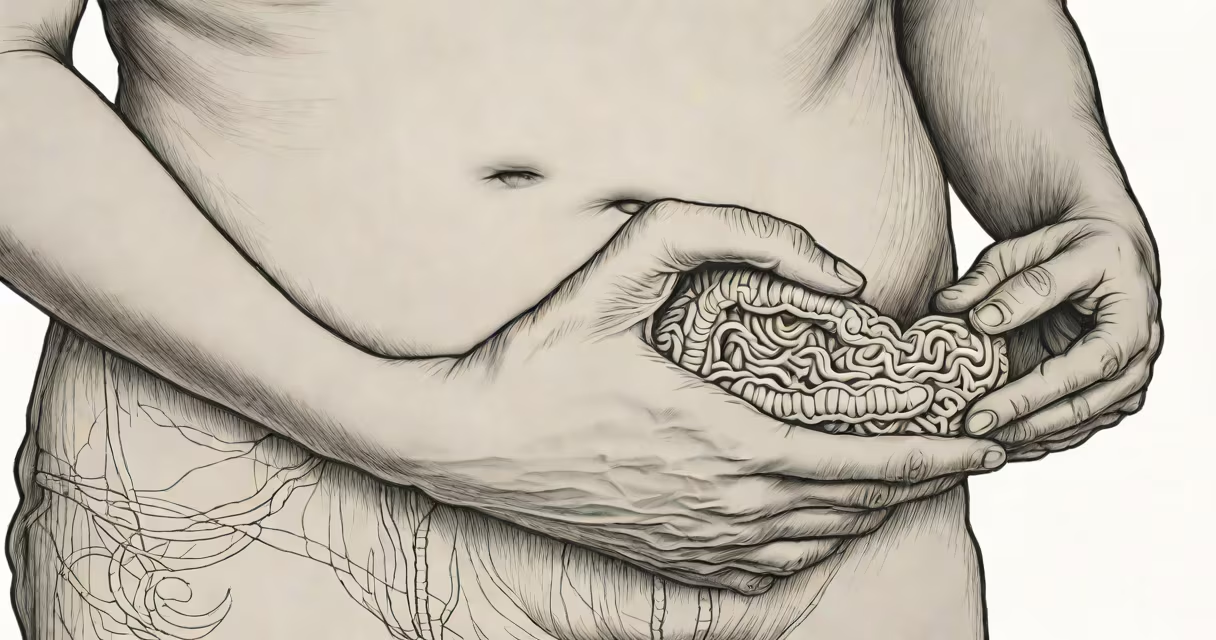
E. coli poisoning causes sudden onset of severe abdominal cramps, watery or bloody diarrhea, and low-grade fever. Symptoms typically appear within 1-3 days after consuming contaminated food or water.
Shiga toxin-producing E. coli (STEC), particularly strain O157:H7, is responsible for most cases. The bacteria attach to intestinal cells and release toxins that damage the lining, leading to inflammation and fluid loss. This process triggers the sign symptoms: intense cramping, frequent loose stools, and sometimes blood in the stool.
According to the Centers for Disease Control and Prevention (CDC), about 73,000 cases of STEC infection occur annually in the United States, with roughly 60 deaths. Most infections resolve on their own within 5-10 days, but complications like hemolytic uremic syndrome (HUS)-a rare condition causing kidney failure-can develop in 2-7% of cases, especially in young children and older adults.
After ingestion, E. coli bacteria travel to the small intestine and colon, where they multiply and produce Shiga toxin. This toxin disrupts cellular function in the gut lining, increasing permeability and triggering immune responses. The result is inflammation, fluid secretion, and tissue damage.
Initial symptoms usually begin 12 to 72 hours after exposure. Cramping starts as intermittent spasms and becomes constant. Diarrhea begins as loose, watery stools and may progress to bloody diarrhea-often described as "red jelly" due to mucus and blood mixtures. Fever is mild, typically below 101.3°F (38.5°C), and not always present.
A 2021 study published in Emerging Infectious Diseases found that 87% of confirmed STEC cases reported diarrhea, 74% had abdominal pain, and 43% experienced fever. Blood in stool was noted in 38% of patients, with higher rates among those infected with O157:H7.
Not all E. coli strains cause illness. Only certain pathogenic types lead to symptoms. The most dangerous are Shiga toxin-producing strains (STEC), but other types cause different issues:
| Strain Type | Common Symptoms | Transmission Route | Severity |
|---|---|---|---|
| STEC (e.g., O157:H7) | Severe cramps, bloody diarrhea, mild fever | Undercooked beef, raw milk, contaminated produce | High - risk of HUS |
| Enterotoxigenic (ETEC) | Watery diarrhea, nausea, bloating | Contaminated water, travel-related (e.g., "traveler's diarrhea") | Moderate - rarely life-threatening |
| Enteropathogenic (EPEC) | Diarrhea, vomiting, poor feeding in infants | Daycare settings, fecal-oral spread | Mild to moderate - mainly affects young children |
STEC is the most concerning because of its potential to trigger HUS. This complication develops in about 1 in 100 cases and can lead to acute kidney injury requiring dialysis. Early recognition of symptoms is critical to prevent progression.
Outbreaks are frequently linked to undercooked ground beef, unpasteurized milk, raw sprouts, and contaminated lettuce. In 2022, a multistate outbreak tied to romaine lettuce sickened 42 people across 12 states, according to CDC reports. All affected individuals reported diarrhea and abdominal pain within 2-5 days of consumption.
Food handlers with poor hygiene can transmit E. coli through cross-contamination. A 2019 investigation by the FDA found that improper handwashing and using the same cutting board for raw meat and vegetables were contributing factors in 68% of restaurant-associated outbreaks.
Swimming in recreational water with fecal contamination is another route. A 2020 study in Journal of Water and Health showed that 1 in 20 public swimming pools tested positive for E. coli, indicating inadequate sanitation.
Many confuse E. coli poisoning with general food poisoning. While both involve gastrointestinal distress, E. coli specifically involves Shiga toxin production and carries a higher risk of serious complications. Unlike norovirus-which causes rapid-onset vomiting and diarrhea-E. coli symptoms develop more slowly and often include blood in stool.
A common error is using antibiotics during early infection. Antibiotics can increase the risk of HUS by promoting toxin release. The CDC explicitly advises against antibiotic use in suspected STEC cases unless severe systemic illness occurs.
Another misconception is that all diarrhea with blood indicates E. coli. Other pathogens-such as Salmonella, Shigella, or Clostridioides difficile-can cause similar symptoms. Accurate diagnosis requires stool testing for E. coli antigen or PCR detection of stx genes.
In 2021, a 4-year-old child in Oregon developed severe abdominal cramps and bloody diarrhea after eating a hamburger at a local fair. Within 24 hours, the child was hospitalized with dehydration and elevated creatinine levels. Stool culture confirmed E. coli O157:H7, and the child developed HUS requiring five days of dialysis. Full recovery took six weeks.
This case illustrates how quickly symptoms can escalate. The child's initial symptoms-cramping and diarrhea-were typical, but the presence of blood and rapid decline signaled severity. Early medical intervention prevented permanent kidney damage.
Seek immediate care if symptoms include: blood in stool, persistent vomiting, high fever (>102°F), signs of dehydration (dry mouth, sunken eyes, reduced urination), or confusion. Children under 5 and adults over 65 are at higher risk for complications.
For mild cases, rest, hydration, and avoiding anti-diarrheal medications are recommended. Loperamide (Imodium) can worsen outcomes by slowing gut motility and increasing toxin retention.
One personal observation: During a summer camping trip, I prepared a grilled burger using ground beef from a local butcher. After eating it, I developed cramps and diarrhea within 18 hours. I avoided antibiotics and focused on oral rehydration. Symptoms resolved in 48 hours. The experience reinforced that symptom duration varies widely, and self-care works for mild cases-but knowing red flags is essential.