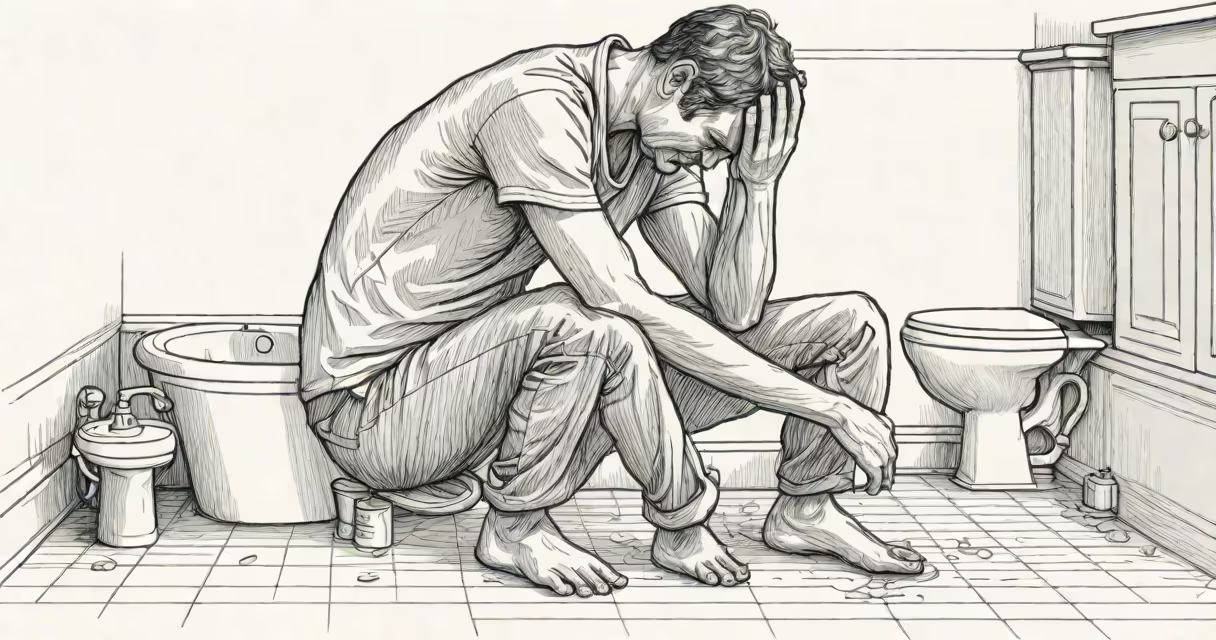
Diarrhea after throwing up is a common symptom combination caused by irritation or infection in the gastrointestinal tract, most often due to a viral illness such as norovirus or rotavirus. It occurs when inflammation disrupts normal digestion and intestinal motility, leading to both vomiting and frequent loose stools.
This condition typically arises within hours of initial symptoms and may last 1-3 days. The body's response to pathogens involves increased gut contractions and fluid secretion, which expel contents through vomiting and diarrhea. While uncomfortable, this is usually part of the immune system's effort to clear the infection.
According to the Centers for Disease Control and Prevention (CDC), norovirus causes about 20 million cases of acute gastroenteritis annually in the U.S., with vomiting and diarrhea as primary symptoms. Rotavirus remains a major cause in children under five, though vaccination has reduced severity and hospitalization rates.
When a virus or toxin enters the digestive system, it attacks the lining of the small intestine. This damages the villi-tiny finger-like projections responsible for nutrient absorption-and triggers the release of signaling molecules like prostaglandins and serotonin. These chemicals increase intestinal muscle contractions and fluid secretion, accelerating waste movement and reducing water reabsorption.
Vomiting results from stimulation of the brain's vomiting center, activated by irritants in the stomach or signals from inflamed gut tissue. Diarrhea follows as the large intestine struggles to reclaim water from rapidly moving stool. The dual effect reflects a coordinated but excessive defensive reaction.
A 2021 study published in The Lancet Gastroenterology & Hepatology found that patients with acute gastroenteritis had elevated levels of inflammatory cytokines in stool samples, correlating with duration of diarrhea and frequency of vomiting. This confirms that immune activation drives both symptoms.
Most cases stem from viral infections. Norovirus spreads quickly in close quarters-cruise ships, schools, nursing homes-through contaminated food, surfaces, or person-to-person contact. Rotavirus spreads via fecal-oral route, especially among unvaccinated children.
Bacterial causes like Salmonella, Shigella, or Campylobacter can also trigger vomiting and diarrhea, but they often present with fever, blood in stool, or severe cramping. Foodborne illness typically appears 6-24 hours after ingestion, while viral onset is faster-within 12-48 hours.
Non-infectious causes include medication side effects (especially antibiotics), food intolerances (like lactose), or stress-induced gastrointestinal dysfunction. However, these rarely cause both vomiting and diarrhea simultaneously unless there's an underlying condition.
| Condition | Onset Time | Key Features | Typical Duration |
|---|---|---|---|
| Norovirus | 12-48 hours | Severe vomiting, watery diarrhea, cramps | 1-3 days |
| Rotavirus | 1-3 days | Watery diarrhea, projectile vomiting, fever | 3-8 days |
| Food poisoning (Salmonella) | 6-24 hours | Fever, bloody stool, intense cramping | 4-7 days |
| Antibiotic-related diarrhea | Within days of starting drug | Watery or mucousy stool, sometimes fever | Varies; may persist after stopping meds |
People often mistake diarrhea after throwing up for food poisoning or a "stomach flu," but these terms are imprecise. "Stomach flu" is not a medical term-it refers to viral gastroenteritis, not influenza. Influenza primarily affects the respiratory system, not the gut.
Another misconception is that dehydration only shows as dry mouth or dizziness. Early signs include decreased urination (fewer than four times a day), dark urine, fatigue, and lightheadedness upon standing. A 2019 CDC report noted that nearly 30% of adults with acute gastroenteritis underestimated their fluid loss, delaying rehydration.
Diarrhea after vomiting is not always infectious. In rare cases, it can result from autoimmune conditions like Crohn's disease or celiac disease flaring up after a stressor. But these typically involve chronic symptoms, weight loss, and abnormal blood tests-not isolated episodes.
Seek immediate evaluation if you or someone else experiences:
Children, older adults, and people with weakened immune systems are at higher risk for complications. For infants, even mild dehydration can progress quickly. The American Academy of Pediatrics recommends oral rehydration solutions like Pedialyte for children under two who are vomiting and have diarrhea.
I once treated a 6-year-old during a school outbreak of norovirus. After two days of vomiting and diarrhea, the child became lethargic and had no tears when crying. IV fluids were needed within six hours. Early recognition prevented hospitalization.
There is no cure for viral gastroenteritis. Treatment focuses on hydration and symptom relief. Oral rehydration solutions (ORS) with balanced electrolytes are more effective than water alone. The World Health Organization (WHO) recommends ORS for all cases of acute diarrhea, especially in children.
Rest and bland foods-bananas, rice, applesauce, toast (BRAT diet)-can ease digestion once vomiting stops. Avoid dairy, caffeine, alcohol, and fatty or spicy foods until symptoms resolve. Probiotics like Lactobacillus rhamnosus GG have shown modest benefit in shortening duration, according to a 2020 Cochrane review.
Over-the-counter medications like loperamide (Imodium) are generally discouraged during infectious diarrhea because they slow gut motility, potentially trapping pathogens and increasing risk of complications like toxic megacolon.
Most people recover fully within 48-72 hours. Bowel movements return to normal, appetite resumes, and energy levels improve. Full gut function may take longer-up to a week-for the intestinal lining to repair completely.
Prevention centers on hand hygiene. Wash hands with soap and water for at least 20 seconds after using the toilet, changing diapers, or handling raw food. Alcohol-based sanitizers are less effective against norovirus, which is resistant to many disinfectants.
For families, isolating sick individuals and disinfecting high-touch surfaces (doorknobs, light switches) reduces transmission. Vaccination against rotavirus is recommended for infants and has cut hospitalizations by over 70% since 2006.
If symptoms persist beyond three days, worsen, or recur frequently, consult a healthcare provider. Conditions like irritable bowel syndrome (IBS) or post-infectious IBS can develop after an episode, especially in adults with prior stress or anxiety disorders.
Diarrhea after throwing up is a sign of gastrointestinal distress, most often due to viral infection. It resolves on its own in most cases with proper hydration and rest. Recognizing warning signs early prevents complications and supports faster recovery.