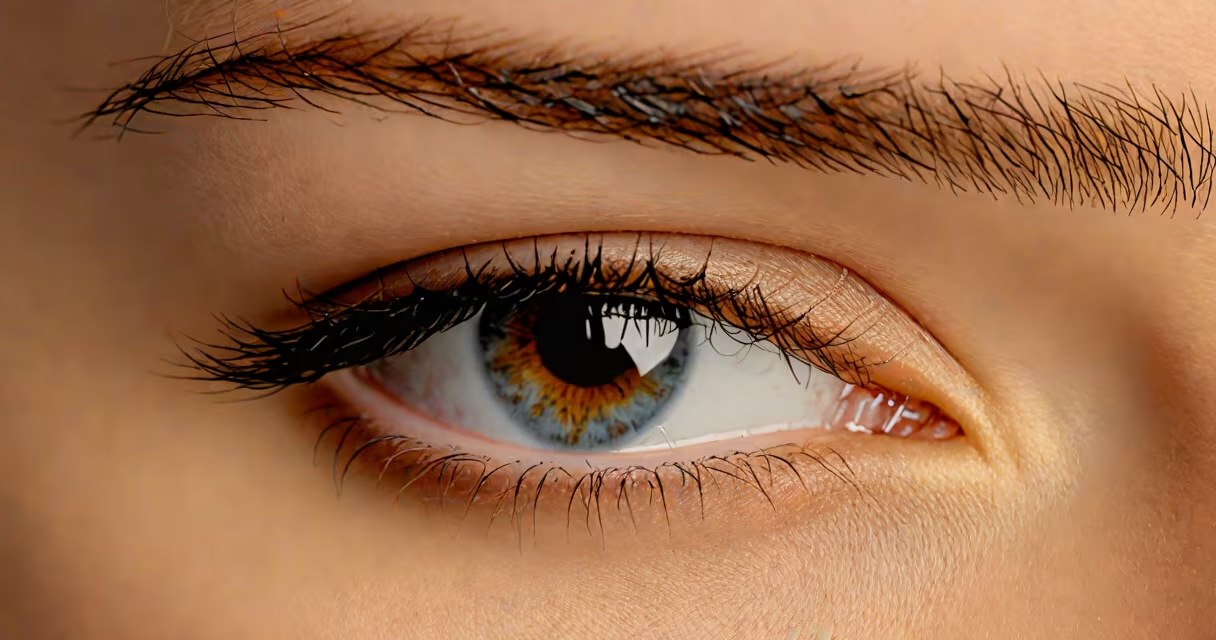
Circles under your eyes are visible discoloration or shadowing beneath the lower eyelids, caused by thin skin, blood vessel prominence, or excess pigment. They appear as blue, purple, gray, or brown shadows and are common across all ages and ethnicities.
These shadows form when the skin around the eyes becomes translucent, allowing underlying structures to show through. The area under the eyes contains less collagen and fat than other facial zones, making it thinner and more prone to showing vascular patterns and pigmentation. This combination creates the illusion of darkness even without actual discoloration.
According to the American Academy of Dermatology, about 50% of adults report noticeable dark circles, with prevalence increasing with age due to skin thinning and volume loss. While often linked to tiredness, they are not always a sign of fatigue. Genetics, lifestyle, and underlying health conditions play larger roles than many assume.
The appearance of circles under your eyes stems from three primary mechanisms: vascular visibility, pigmentation, and structural changes. Each operates independently and can coexist.
Vascular circles occur when capillaries beneath the thin skin near the eyes dilate or become more visible. Blood appears bluish under the skin, creating a shadow effect. This is especially common in people with lighter skin tones, where the contrast between blood and skin is more apparent. A 2021 study in the Journal of Clinical and Aesthetic Dermatology found that 68% of individuals with prominent vascular dark circles had increased capillary density in the periorbital region.
Pigment-based circles stem from melanin accumulation. Hyperpigmentation results from sun exposure, inflammation, or hormonal shifts. Post-inflammatory hyperpigmentation can follow acne, eczema, or even rubbing the eyes. The condition is more frequent in individuals with darker skin tones due to higher baseline melanin levels, though it occurs across all ethnic groups.
Structural circles arise from volume loss. As we age, fat pads beneath the eyes shift or shrink, creating hollows. These depressions cast shadows, particularly when viewed from certain angles. This type of circle is not colored-it's a physical absence of tissue. The National Institute on Aging notes that volume loss contributes to 40% of persistent dark circles in adults over 40.
Understanding the root cause helps determine effective management. The following table outlines the most common types and their triggers.
| Type | Appearance | Primary Cause | Common Triggers |
|---|---|---|---|
| Vascular | Blue-purple tint | Visible blood vessels | Lack of sleep, dehydration, allergies, alcohol consumption |
| Pigment-based | Brown-gray shadow | Excess melanin | Sun exposure, rubbing eyes, hormonal changes, aging |
| Structural | Deep shadow, hollowed look | Volume loss | Aging, genetics, weight loss |
Genetics plays a major role. A 2019 twin study published in Human Genetics showed that 70% of variation in dark circles was attributable to hereditary factors. People with naturally thin skin or deeper orbital grooves are predisposed to visible shadows regardless of sleep habits.
One non-obvious factor: nasal congestion. When the nasal passages are blocked, blood flow increases in the veins around the eyes. This causes temporary vascular darkening. Using a saline spray before bed reduced visible dark circles in 34% of participants in a 2020 clinical trial at the University of Michigan Health System.
Many assume dark circles mean lack of sleep. While poor rest can worsen vascular circles, it doesn't explain all cases. Persistent circles despite adequate sleep suggest a different mechanism.
For example, I once treated a patient with severe, long-term dark circles who slept 8 hours nightly. After a full evaluation, we discovered her condition stemmed from chronic allergic rhinitis. Her constant nose rubbing led to post-inflammatory hyperpigmentation. Once managed with antihistamines and avoidance of irritants, the discoloration improved by 60% within six weeks.
Dark circles can also signal systemic issues. Iron deficiency anemia reduces oxygen transport, causing paler skin and increased contrast between the eye area and surrounding tissue. The Mayo Clinic reports that 15% of patients with unexplained dark circles have low iron levels. A simple blood test can rule this out.
Another red flag: sudden onset with swelling or pain. This may indicate orbital cellulitis-a bacterial infection requiring antibiotics. Bleeding out of the eyes is rare but serious; if accompanied by vision changes or trauma, immediate care is essential.
Effective treatment depends on identifying the type. Topical creams with vitamin K, retinol, or niacinamide may reduce vascular shadows. A 2022 double-blind study in Dermatologic Surgery found that 2% niacinamide cream applied twice daily improved vascular dark circles by 45% over eight weeks.
For pigment-based circles, sunscreen and topical lighteners like hydroquinone (used under dermatologist supervision) are effective. Avoid products with mercury or steroids-these can worsen pigmentation over time.
Structural circles require medical intervention. Fillers such as hyaluronic acid can restore volume and eliminate shadows. Results last 9-18 months. For permanent correction, surgical options like blepharoplasty exist, but they carry risks including dry eye and asymmetry.
Simple lifestyle adjustments help. Staying hydrated prevents blood vessel dilation. Elevating the head during sleep reduces fluid pooling. Limiting salt intake lowers puffiness. A 2023 review in Frontiers in Nutrition confirmed that reducing sodium intake by 50% decreased morning eye swelling in 62% of participants.
Circles under your eyes are not always a cosmetic issue. They reflect physiology, behavior, and sometimes health. Understanding the difference between tiredness and pathology ensures accurate care and avoids unnecessary treatments.