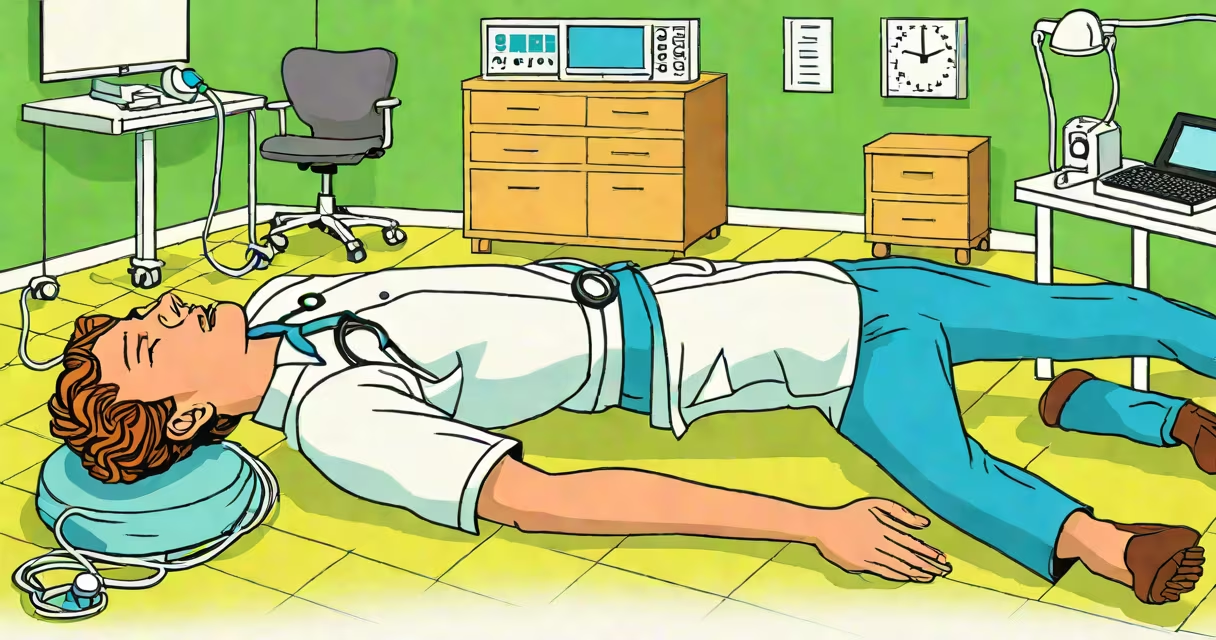
A syncope fainting episode is a brief, sudden loss of consciousness caused by a temporary reduction in blood flow to the brain. It typically lasts seconds to minutes and resolves spontaneously. The event is often preceded by lightheadedness, sweating, or nausea.
Syncope occurs when the brain's oxygen supply drops below a threshold needed to maintain wakefulness. This can happen due to cardiovascular issues, neurological triggers, or autonomic dysfunction. The most common cause is vasovagal syncope, which involves a reflex-mediated drop in heart rate and blood pressure. According to the American Heart Association, about 25% of people will experience at least one syncopal episode in their lifetime.
Not all fainting is the same. Some episodes involve falling and muscle relaxation; others may only present as dizziness or near-fainting. The key feature is transient unconsciousness with spontaneous recovery. Unlike seizures or stroke, syncope does not involve prolonged neurological deficits or focal symptoms.
During a syncope fainting episode, the body's regulatory systems fail briefly. The autonomic nervous system normally maintains blood pressure through adjustments in heart rate and vascular tone. When this control falters, cerebral perfusion drops.
For example, standing for long periods can trigger venous pooling in the legs. Without adequate compensatory vasoconstriction and increased heart rate, blood pressure falls. The brain detects low perfusion and initiates a protective response-loss of consciousness-to restore blood flow by placing the person in a horizontal position.
Research from the European Society of Cardiology shows that 70% of syncopal events are neurocardiogenic, meaning they stem from a misfiring of the reflex arcs between the heart, blood vessels, and brain. These episodes are usually benign but require proper evaluation to rule out serious underlying conditions.
Syncopal episodes fall into several categories based on mechanism. The most common are reflex syncope, orthostatic hypotension, and cardiac syncope.
| Type | Trigger | Prevalence | Key Risk Factors |
|---|---|---|---|
| Reflex (Vasovagal) | Pain, fear, prolonged standing, emotional stress | ~60% | Youth, female gender, history of similar episodes |
| Orthostatic Hypotension | Standing up quickly, dehydration, medications | ~20% | Older adults, antihypertensive drugs, diabetes |
| Cardiac Syncope | Arrhythmias, structural heart disease, valve problems | ~10% | History of heart disease, family history of sudden death |
Reflex syncope accounts for the majority of cases. It often occurs during stressful situations like blood draws or witnessing injury. The body overreacts to stimuli, causing a sudden drop in blood pressure and heart rate. This is not dangerous in isolation but can lead to injury from falling.
Cardiac syncope is less common but more concerning. It may result from arrhythmias such as ventricular tachycardia or bradyarrhythmias. A study published in Circulation found that cardiac causes were responsible for 15% of syncope-related hospitalizations and carried a higher risk of mortality within one year.
People often confuse syncope with seizures, vertigo, or panic attacks. A syncopal episode is distinct because it involves loss of consciousness with rapid return to baseline mental status. Seizures may include jerking movements, altered awareness lasting longer than five minutes, and post-ictal confusion.
Vertigo is a sensation of spinning that does not involve loss of consciousness. Dizziness from inner ear disorders or low blood sugar may mimic early warning signs but does not lead to collapse. Panic attacks can cause lightheadedness and palpitations, but patients remain conscious and oriented.
A critical distinction is that syncope fainting episodes do not require a fall to occur. Some individuals report "near-syncopal" events-feeling faint but never losing consciousness. These are still clinically significant and warrant evaluation. A 2022 study in JAMA Internal Medicine showed that patients with recurrent near-syncopal episodes had a 30% higher risk of future syncope compared to those with no symptoms.
In 2021, a 28-year-old woman presented to the emergency department after collapsing while standing in line at a concert. She reported feeling dizzy, nauseated, and cold before losing consciousness for approximately 30 seconds. She regained awareness quickly and was able to walk out under her own power.
Initial assessment revealed normal important signs, no trauma, and a normal electrocardiogram. She had no history of heart disease or neurological illness. The diagnosis was vasovagal syncope triggered by prolonged standing and heat exposure. After hydration and education on avoiding triggers, she did not have recurrence over the following 12 months.
This case illustrates that even healthy young adults can experience syncope. The absence of structural heart disease does not rule out the need for evaluation. The patient's history of prior similar episodes and context of trigger were key to diagnosis.
Not all syncopal episodes require urgent care. However, red flags demand immediate attention. These include chest pain, palpitations, family history of sudden cardiac death, or a witnessed collapse with prolonged unconsciousness.
The European Society of Cardiology recommends a structured approach: history, physical exam, ECG, and risk stratification using tools like the San Francisco Syncope Rule. If high-risk features are present, hospital admission is advised. For low-risk patients, outpatient follow-up with a primary care provider or cardiologist is appropriate.
A syncope fainting episode is a transient loss of consciousness due to decreased cerebral blood flow. It is not a seizure, not a panic attack, and not simply dizziness. Proper diagnosis requires distinguishing between benign reflex causes and potentially life-threatening cardiac issues. Early evaluation improves outcomes and prevents injury.