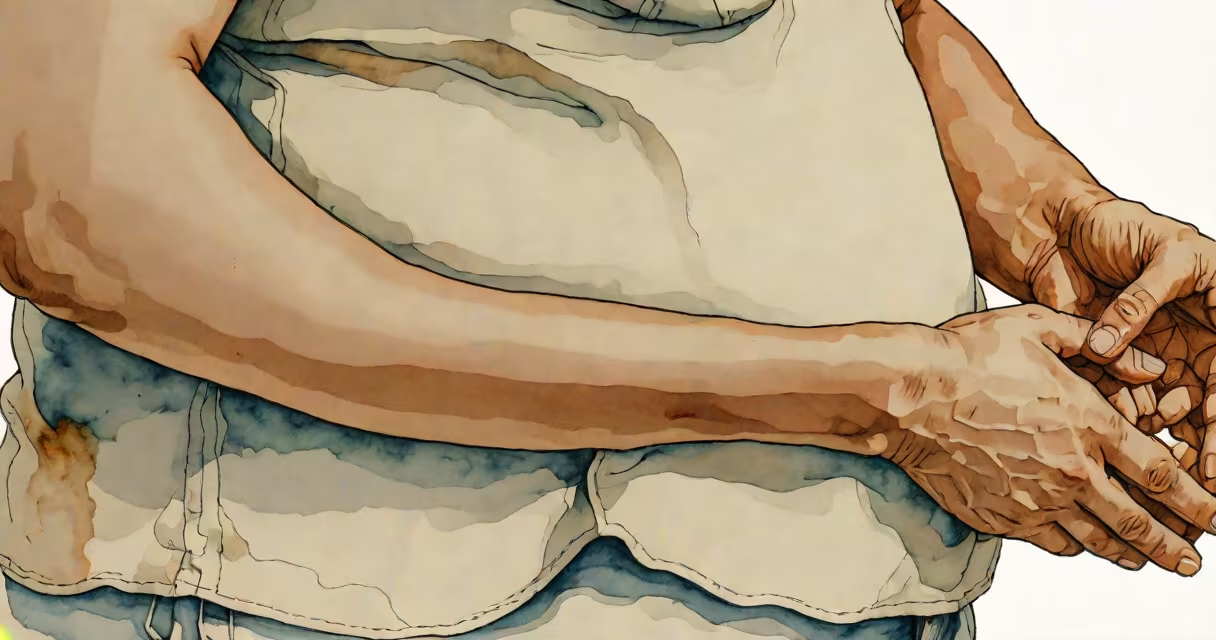
bloating and pressure refer to a sensation of fullness, tightness, or swelling in the abdomen, often accompanied by visible distension. This condition arises when excess gas accumulates in the intestines, fluid builds up, or intestinal motility slows. It's common in people with irritable bowel syndrome (IBS), food intolerances, or anxiety-related digestive disruption.
Bloating and pressure aren't the same as weight gain. The feeling stems from internal volume increase, not fat accumulation. Symptoms may come and go throughout the day, worsen after meals, or persist for hours. Some individuals report relief after passing gas or having a bowel movement, while others experience ongoing discomfort despite normal stool output.
According to the Rome IV criteria, functional gastrointestinal disorders like IBS define bloating as "a subjective feeling of increased abdominal girth." The American College of Gastroenterology notes that up to 16% of adults in the U.S. report chronic bloating, with women more frequently affected than men. These numbers reflect both physical and psychological contributors.
The gut produces gas during digestion through bacterial fermentation of undigested carbohydrates. Normally, gas moves through the intestines and exits via flatulence or burping. But when transit slows or gas production exceeds clearance, pressure builds. This leads to stretching of the intestinal walls, which triggers stretch receptors and sends signals to the brain that register as bloating.
Factors that disrupt normal gut function include eating too quickly, consuming high-FODMAP foods (like onions, garlic, wheat, and legumes), swallowing air while chewing gum or drinking carbonated beverages, and altered gut microbiota. A 2021 study published in Gut found that patients with IBS had higher levels of hydrogen and methane gases in breath tests, indicating abnormal fermentation patterns.
Stress also plays a direct role. The gut-brain axis allows emotional states to influence motility and secretion. Anxiety increases gut sensitivity and alters muscle contractions, leading to trapped gas and pressure. One clinical trial showed that participants with IBS who practiced mindfulness-based stress reduction reported a 40% decrease in bloating severity over eight weeks.
Bloating and pressure aren't uniform. They vary based on location, timing, and underlying cause. The table below outlines common categories:
| Type | Common Triggers | Typical Timing | Associated Conditions |
|---|---|---|---|
| Postprandial bloating | Large meals, fatty foods, high-fiber intake | 15-60 minutes after eating | Functional dyspepsia, delayed gastric emptying |
| Lower abdominal pressure | High-FODMAP foods, lactose intolerance | 2-4 hours after eating | IBS, small intestinal bacterial overgrowth (SIBO) |
| Chronic bloating | Anxiety, hormonal fluctuations, constipation | Persistent, daily or near-daily | Chronic IBS, pelvic floor dysfunction |
Lower abdominal pressure is often mislabeled as "bloating" but may stem from pelvic floor tension or nerve hypersensitivity. A 2022 study in Neurogastroenterology & Motility found that 30% of patients reporting bloating had normal abdominal imaging, suggesting neurological or sensory origins rather than structural issues.
One non-obvious distinction: bloating doesn't always correlate with actual abdominal size. A person can feel extremely full with minimal visible swelling. Conversely, someone with significant distension may report little discomfort. This disconnect highlights the role of visceral perception-how the nervous system interprets gut signals-over mechanical volume.
Bloating and pressure are frequently mistaken for weight gain, water retention, or early pregnancy. However, true bloating resolves with gas release or bowel movements. Water retention typically affects limbs and face and is associated with salt intake or hormonal changes. Pregnancy symptoms usually include missed periods, nausea, and breast tenderness-not isolated bloating.
Red flags requiring medical evaluation include unexplained weight loss, blood in stool, persistent vomiting, fever, or nighttime pain. These may indicate inflammatory bowel disease, celiac disease, or even malignancy. The National Institute of Diabetes and Digestive and Kidney Diseases warns that bloating lasting more than four weeks with new onset should prompt a gastroenterology referral.
I once observed a patient whose bloating improved dramatically after eliminating dairy, despite negative blood tests for lactose intolerance. Her symptom improvement aligned with breath test results showing elevated hydrogen levels post-lactose challenge-proof that symptom-based diagnosis can outperform lab tests in individual cases.
If bloating and pressure interfere with daily life, sleep, or work, consulting a healthcare provider is advised. Initial steps include tracking symptoms using a food and symptom diary for at least two weeks. Note meal times, ingredients, bowel movements, and symptom intensity on a scale of 1 to 10.
For mild, intermittent episodes, dietary adjustments such as reducing FODMAPs or eating smaller, slower meals may help. A low-FODMAP diet has shown effectiveness in 70% of IBS patients in randomized trials. However, strict adherence requires guidance from a registered dietitian to avoid nutritional gaps.
For persistent or severe cases, testing may include breath tests for SIBO, blood tests for celiac disease, or imaging like CT scans to rule out obstruction. Lower abdominal bloating and pressure often respond to targeted interventions like pelvic floor physical therapy or medications such as rifaximin for SIBO.
Understanding bloating and pressure begins with recognizing it as a symptom, not a standalone diagnosis. Identifying triggers, managing expectations, and seeking appropriate care improve quality of life. Persistent or worsening symptoms require professional evaluation to distinguish benign causes from serious conditions.