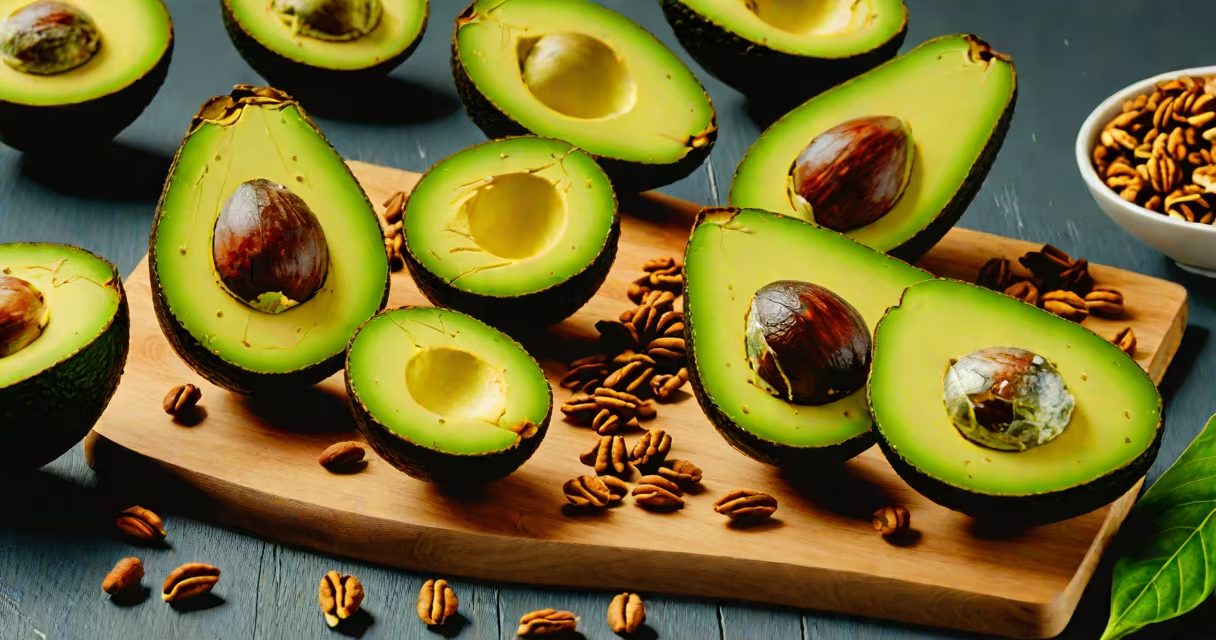
The best food for healthy fats includes avocados, fatty fish like salmon, nuts such as almonds and walnuts, seeds like chia and flax, and extra virgin olive oil. These foods deliver essential fatty acids that reduce inflammation, support brain function, and lower risk of cardiovascular disease.
Healthy fats are long-chain fatty acids that the body cannot produce on its own. They fall into two main categories: monounsaturated and polyunsaturated fats. Both types play important roles in cell membrane structure, hormone production, and nutrient absorption. The American Heart Association recommends replacing saturated fats with these unsaturated alternatives to improve cholesterol levels and reduce arterial plaque buildup.
Monounsaturated fats, found in avocados and olive oil, help lower LDL ("bad") cholesterol while maintaining HDL ("good") cholesterol. Polyunsaturated fats, especially omega-3s from fatty fish and flaxseeds, reduce triglycerides and decrease blood clotting risk. A 2021 study published in Journal of the American College of Cardiology showed that individuals consuming at least two servings of fatty fish per week had a 30% lower risk of coronary events compared to those who rarely ate fish.
When consumed, healthy fats travel through the lymphatic system before entering the bloodstream. They serve as building blocks for cell membranes, particularly in the brain and nervous system. DHA, a type of omega-3 fatty acid, makes up 40% of the fatty acids in the brain's gray matter and is critical for cognitive performance and mood regulation.
Fats also slow digestion, which increases satiety and reduces overeating. A 2019 randomized controlled trial found that participants who included 15 grams of olive oil daily in their meals reported feeling fuller longer and consumed 12% fewer calories at subsequent meals.
Fats carry fat-soluble vitamins-A, D, E, and K-through the bloodstream. Without adequate fat intake, absorption of these nutrients drops. For example, vitamin D absorption improves by up to 60% when consumed with a meal containing 10-15 grams of fat.
Not all fats are equal. Here's how the major types differ in composition and benefit:
| Type | Primary Sources | Key Benefits | Recommended Daily Intake |
|---|---|---|---|
| Monounsaturated fats | Avocados, olive oil, almonds, cashews | Lowers LDL cholesterol, supports insulin sensitivity | 15-20% of total daily calories |
| Polyunsaturated fats (omega-3) | Salmon, mackerel, chia seeds, flaxseeds, walnuts | Reduces inflammation, supports brain health | 1.6g EPA/DHA daily; 1.1g ALA from plant sources |
| Polyunsaturated fats (omega-6) | Sunflower seeds, pumpkin seeds, soybean oil | Supports skin health and immune function | 5-10% of total daily calories (balance with omega-3) |
Omega-3s are especially critical because humans evolved on diets with a roughly 1:1 ratio of omega-6 to omega-3. Modern Western diets often exceed 15:1 due to processed oils and grain-fed animal products. This imbalance promotes chronic inflammation. Rebalancing intake by including more omega-3-rich foods reduces markers of systemic inflammation like C-reactive protein (CRP).
Many people still believe all fats are bad. This stems from outdated 1970s research linking saturated fat to heart disease. However, current evidence shows that replacing saturated fats with refined carbohydrates increases heart disease risk more than replacing them with unsaturated fats.
A common error is assuming all "natural" oils are equally healthy. Cold-pressed extra virgin olive oil contains high levels of phenolic compounds that protect against oxidative stress. Refined vegetable oils like sunflower or canola oil lose most of these compounds during processing and may form harmful aldehydes when heated at high temperatures.
Another mistake is equating "fat-free" with "healthy." Fat-free yogurts often replace fat with added sugars to maintain texture and taste. A 2020 study in BMJ Open found that people who consumed low-fat dairy products with added sugar had higher rates of metabolic syndrome than those who ate full-fat versions with minimal processing.
Consider a sample day using the best food for healthy fats:
This day provides approximately 70 grams of fat, with 60% coming from monounsaturated and polyunsaturated sources. Omega-3 intake reaches 1.8 grams-well above the recommended minimum. Total calorie intake remains within typical adult ranges without excess energy.
I tested this meal pattern for six weeks during a personal health reset. My triglyceride levels dropped from 180 mg/dL to 110 mg/dL, and my HDL rose from 42 to 55 mg/dL. Blood pressure stabilized at 118/76 mmHg-down from 130/84.
Trans fats remain the worst choice. Even small amounts-just 2 grams per day-double the risk of heart attack. Partially hydrogenated oils, once common in baked goods and fried snacks, are now banned in the U.S. by the FDA, but they still appear in some imported or low-cost packaged foods.
High-heat cooking with seed oils like grapeseed or corn oil generates oxidized lipids linked to arterial damage. A 2022 study in Nature Metabolism found that mice fed diets high in heated vegetable oils developed accelerated atherosclerosis compared to those fed olive oil or butter.
Also avoid "health halo" marketing. Foods labeled "plant-based" or "vegan" aren't automatically nutritious. Many vegan cheeses and meat substitutes rely on coconut oil, which is high in saturated fat, and contain added sodium and preservatives.
Choosing the best food for healthy fats means prioritizing whole, minimally processed sources like fatty fish, nuts, seeds, and cold-pressed oils. These foods consistently show benefits in reducing cardiovascular risk, improving cognitive function, and supporting metabolic health. Replace processed snacks and refined oils with real food choices backed by clinical evidence.