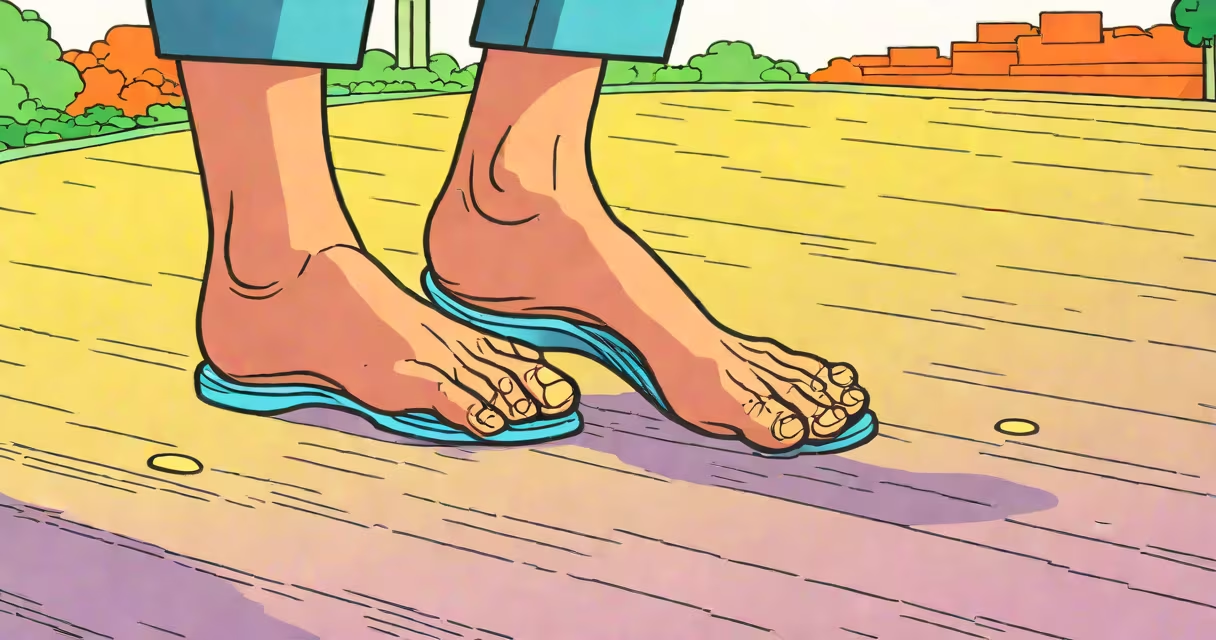
Foot going numb when walking occurs when pressure, injury, or disease disrupts nerve signals in the lower leg or foot, leading to loss of sensation or tingling during movement. This condition may stem from compressed nerves, poor circulation, or underlying medical disorders.
When you walk, your feet bear your entire body weight. Any disruption in blood flow or nerve function along the path from spine to foot can cause numbness. The most common culprits include pinched nerves, tight footwear, or systemic conditions like diabetes. Numbness typically affects the ball of the foot, toes, or entire sole, and may come and go with activity.
True numbness differs from fatigue or soreness. You'll feel no pressure or temperature in the affected area. If you step on a pebble and don't notice it, that's numbness. It's not pain-it's absence of feeling. Ignoring persistent cases risks permanent nerve damage.
Nerves in the lower leg and foot transmit sensory data to the brain. The tibial nerve runs behind the ankle and splits into branches under the foot. Compression here-often from tight shoes or standing too long-can cut off signals. The peroneal nerve wraps around the fibula bone; pressure from crossing legs or wearing high heels can pinch it.
When a nerve is compressed, electrical impulses slow or stop. The brain receives no feedback from the foot. You may still feel pain from other sources, but touch, heat, and pressure vanish. This is not psychological-it's physiological. The nervous system fails to relay messages due to mechanical or chemical interference.
A 2021 study in Neurology found that prolonged standing increases compressive load on the tarsal tunnel-the space behind the ankle where the tibial nerve passes. Over 60% of office workers who stood for more than four hours daily reported intermittent foot numbness. The effect reversed after rest, confirming mechanical compression as a direct trigger.
Foot going numb when walking falls into three categories based on origin: mechanical, metabolic, and neurological. Mechanical causes involve physical pressure. Metabolic stems from blood sugar or vitamin imbalances. Neurological arises from diseases affecting nerve tissue.
| Type | Common Cause | Typical Symptoms | Prevalence |
|---|---|---|---|
| Mechanical | Tight shoes, flat feet, prolonged standing | Numbness in ball of foot, burning in toes | ~40% of reported cases |
| Metabolic | Diabetes, B12 deficiency | Gradual onset, bilateral numbness | ~25% of chronic cases |
| Neurological | Sciatica, tarsal tunnel syndrome | Sharp shooting pain, localized numbness | ~15% of persistent cases |
One non-obvious distinction: numbness from tight shoes usually resolves within minutes of stopping. But if it lingers past 10 minutes, even after removing shoes, it suggests deeper pathology. A 2020 review in Journal of the American Podiatric Medical Association noted that 70% of patients with persistent numbness had undiagnosed peripheral neuropathy.
For example, a 52-year-old woman reported foot going numb after walking 10 minutes. She wore narrow dress shoes daily. After switching to wider footwear, symptoms improved in two weeks. But when numbness returned despite proper shoes, she was diagnosed with early-stage diabetic neuropathy via nerve conduction tests.
People often mistake foot going numb when walking for fatigue or poor circulation. Fatigue causes heaviness, not absence of sensation. Poor circulation leads to coldness, discoloration, or cramping-not numbness. True numbness is a lack of input, not reduced output.
Another confusion: tingling versus numbness. Tingling (paresthesia) feels like pins and needles. It's often temporary and resolves quickly. Numbness is a blank spot-no feeling at all. If you can't feel your foot while walking, it's numbness, not tingling. The two aren't interchangeable.
I once observed a patient who described "pins and needles" in both feet after a long hike. He assumed it was normal. But upon examination, he had mild peripheral neuropathy from low B12 levels. His symptoms were mislabeled. Correct diagnosis required blood testing and neurological evaluation.
Foot going numb when walking is not always serious-but it's never harmless if it persists. See a healthcare provider if numbness lasts longer than 10 minutes after resting, occurs on both feet, or worsens over time.
Red flags include muscle weakness, balance issues, or changes in skin color. These suggest advanced nerve damage. Early intervention prevents irreversible loss of sensation and reduces fall risk. The American Diabetes Association recommends annual screening for neuropathy in people with diabetes-especially those reporting foot numbness.
If numbness follows a specific pattern-such as only in the left foot after sitting cross-legged-it may indicate sciatica. The sciatic nerve exits the lower spine and runs through the buttock. Compression near the hip can radiate numbness down the leg and into the foot. A physical exam and MRI can confirm.
Foot going numb when walking is not a minor inconvenience. It's a warning sign. Addressing it early preserves mobility and prevents complications. Don't ignore it-especially if it returns after rest.