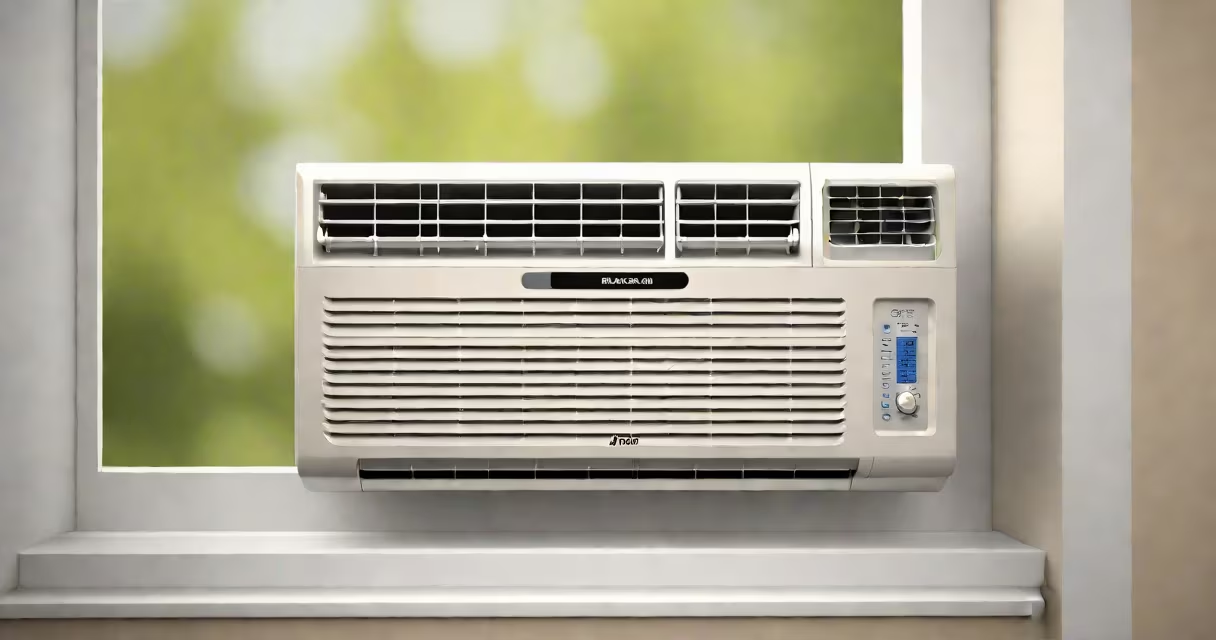
A 12000 BTU air conditioner removes heat at a rate of 12,000 British Thermal Units per hour, making it suitable for rooms between 450 and 550 square feet. It's designed to cool a standard bedroom, small living room, or home office effectively.
BTU stands for British Thermal Unit, a measure of thermal energy. A higher BTU rating means greater cooling power. The 12000 BTU model strikes a balance between capacity and energy use, avoiding the oversizing common in units rated above 15,000 BTU for small rooms.
These units typically come as window models or portable systems. Window units are more efficient and cost less to run. Portable units offer flexibility but require venting through a window or wall.
An air conditioner 12000 uses a refrigeration cycle. A compressor pressurizes refrigerant gas, which then flows through coils inside the indoor unit. As warm indoor air passes over these cold coils, moisture condenses and drains away, while the cooled air is blown back into the room.
The hot refrigerant exits the indoor unit, travels through a hose or duct to the outdoor section, and releases heat through the condenser coils. This process continues until the room reaches the set temperature. The thermostat controls the cycle, turning the system off when the desired temperature is met.
For optimal performance, the unit must be level and sealed properly in the window frame. Gaps allow warm air to enter and reduce efficiency. According to the U.S. Department of Energy, a poorly sealed window AC can lose up to 30% of its cooling effectiveness.
Two primary types exist: window-mounted and portable. Window units are generally more energy-efficient and quieter. They're installed permanently in a window, with the outdoor portion facing outside. Portable units sit on the floor and use a flexible exhaust hose to vent hot air through a window or wall.
| Type | Cooling Capacity | Energy Efficiency | Installation | Best For |
|---|---|---|---|---|
| Window | 12,000 BTU | Higher (SEER 10-14) | Fixed in window | Permanent cooling, better airflow |
| Portable | 12,000 BTU | Lower (SEER 8-10) | Moveable, vent via hose | Temporary use, renters |
Look for models with adjustable fans, programmable timers, and sleep modes. Some include dehumidifier settings, which help reduce humidity in damp climates. The ENERGY STAR label indicates units meeting federal efficiency standards, saving up to 15% on electricity compared to non-certified models.
When choosing a 12000 BTU unit, ensure the window opening fits the dimensions. Most window units require a 24-36 inch wide window. Measure your space carefully. A unit too large for the room cycles on and off frequently, reducing lifespan and increasing wear.
Many assume a higher BTU rating always means better cooling. That's false. A 12000 BTU unit is ideal for 450-550 sq ft. Using it in a 300 sq ft room causes short cycling, which increases energy use and reduces comfort. The U.S. Environmental Protection Agency warns that oversized units waste energy and fail to dehumidify properly.
Another error is blocking the air intake or exhaust. Dust buildup on filters or obstructed vents forces the unit to work harder. Clean the filter every two weeks during heavy use. A clogged filter can reduce cooling output by up to 15%, according to the National Institute of Standards and Technology.
Some users believe portable units are as efficient as window models. They're not. Portable units lose 20-30% of their cooling capacity due to duct losses and poor insulation. A 12000 BTU portable unit may only deliver 8000-9000 BTU of effective cooling.
Consider a 500 sq ft bedroom in a suburban home with high daytime temperatures. The room has one east-facing window and a ceiling fan. A 12000 BTU window unit was installed in the window. The unit runs at 1000 watts.
On a 90°F day, the unit maintains 72°F indoors. It cycles on for 15 minutes, then off for 10 minutes. Over 8 hours, it consumes about 1.2 kWh per hour when running. Total daily usage: ~9.6 kWh. At $0.15/kWh, this costs $1.44 per day.
After two weeks, the filter was cleaned. Cooling improved by 10%. The room felt drier and more comfortable. Replacing the filter every two weeks reduced maintenance issues and kept the unit operating near peak efficiency.
I installed a 12000 BTU window unit in my apartment last summer. It cooled the space reliably, even during heatwaves. The noise was noticeable but manageable. I used a timer to turn it off at night, saving energy. The unit ran consistently for three years with minimal service.
12000 BTU air conditioners are standard in homes, apartments, and small offices. They're common in bedrooms, dens, and home offices. Their size makes them easy to install and maintain.
They're especially useful in areas with hot summers and limited access to central HVAC. In cities like Phoenix or Houston, many renters rely on window units for cooling. The U.S. Census Bureau reports that 38% of rental units in Southern states use window ACs as the primary cooling method.
These units are also used in workshops, garages, and storage areas. A 12000 BTU model can handle brief spikes in heat from tools or equipment. However, they're not suited for continuous industrial use. For sustained cooling, a commercial-grade system is required.
If your air conditioner 12000 isn't cooling, check the filter, thermostat setting, and venting. A dirty filter restricts airflow. Set the thermostat below room temperature. Ensure the exhaust hose is unobstructed and properly routed.
Check for refrigerant leaks. Low refrigerant causes poor cooling and can damage the compressor. Only licensed technicians should handle refrigerant. Attempting to refill it yourself risks injury and environmental harm.
For troubleshooting steps, see common fixes for cooling failure. Many issues stem from simple maintenance errors, not mechanical breakdowns.
When replacing a unit, consider upgrading to a model with a higher SEER rating. A 13 SEER unit uses 20% less energy than a 10 SEER model. Over five years, this saves hundreds in electricity costs.
Understanding the capabilities and limitations of a 12000 BTU air conditioner ensures proper sizing, installation, and maintenance. This prevents wasted energy, discomfort, and premature failure. Always match the unit to the space and climate conditions.