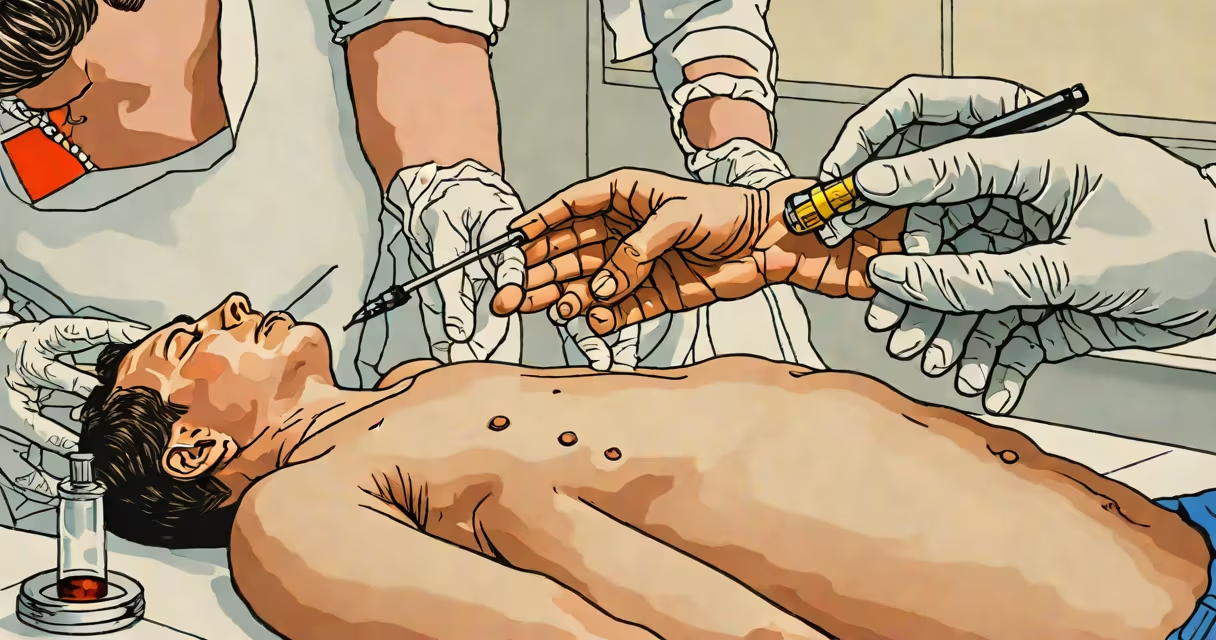
A tetanus shot is a vaccine that protects against tetanus, a serious bacterial infection caused by Clostridium tetani. The bacteria enter the body through wounds, especially deep or dirty ones, and produce a toxin that affects the nervous system, leading to muscle stiffness and painful spasms. The shot contains inactivated toxins (toxoids) that train the immune system to recognize and neutralize the real toxin if exposure occurs.
The tetanus shot is part of the DTaP (diphtheria, tetanus, acellular pertussis) series given to children and the Tdap or Td booster recommended for adults. It's not a treatment for active infection-it's preventive. The Centers for Disease Control and Prevention (CDC) recommends a primary series of five doses during childhood, followed by a Tdap booster at age 11-12, then Td boosters every 10 years thereafter.
Without vaccination, tetanus has a fatality rate of about 10-20%, even with intensive care. In contrast, the tetanus shot reduces risk nearly to zero when properly administered. The vaccine doesn't cause tetanus-it cannot because the toxin is inactivated.
The tetanus shot uses a toxoid derived from the tetanospasmin toxin produced by Clostridium tetani. This toxin is purified, chemically inactivated, and combined with adjuvants to improve immune response. When injected, the immune system detects the toxoid as foreign and generates antibodies that bind to the actual toxin if the person is later exposed.
Immunity builds over time. After the initial series in infancy, protection remains high for at least 10 years. A single dose of Tdap or Td booster restores immunity levels. The body retains memory cells that respond rapidly upon re-exposure, preventing disease onset.
Studies show that individuals who receive a Tdap booster have antibody titers above protective thresholds in over 95% of cases within four weeks. The CDC notes that immunity wanes gradually after 10 years, which is why regular boosters are essential.
Tetanus vaccines come in two forms: Tdap and Td. Tdap includes protection against tetanus, diphtheria, and pertussis (whooping cough). Td provides only tetanus and diphtheria coverage. The choice depends on age, medical history, and whether the person is due for a pertussis booster.
| Age Group | Vaccine Type | Recommended Dose | Interval |
|---|---|---|---|
| Infants (2, 4, 6 months) | DTaP | 5 doses | Every 4-8 weeks |
| Children (11-12 years) | Tdap | 1 dose | One-time |
| Adults (18+ years) | Td or Tdap | 1 dose every 10 years | Every 10 years |
| After injury (if last booster >5 years ago) | Tdap or Td | 1 dose | As needed |
For wound management, the CDC recommends a tetanus booster if the last dose was more than 5 years ago and the wound is contaminated. Deep puncture wounds, burns, or injuries involving soil or manure carry higher risk. A single booster dose is sufficient in such cases.
One common misconception is that tetanus only comes from rusty nails. While rust increases risk by providing a dark, oxygen-free environment ideal for Clostridium tetani spores, the bacteria are widespread in soil, dust, and animal feces. Any break in skin can allow entry.
Tetanus shots are standard in routine immunization programs worldwide. They're administered in pediatric clinics, urgent care centers, pharmacies, and doctor's offices. In the U.S., the Advisory Committee on Immunization Practices (ACIP) oversees recommendations, and state laws often require proof of vaccination for school enrollment.
Use cases extend beyond routine care. Pregnant women receive a Tdap vaccine between 27 and 36 weeks gestation to pass maternal antibodies to the newborn. This strategy reduced neonatal tetanus deaths by 90% globally between 1990 and 2015, according to WHO.
I've seen the impact firsthand while volunteering at a rural health clinic in Kenya. A farmer arrived with a deep leg wound from a farming tool. He hadn't had a tetanus booster in 15 years. We gave him a Tdap shot immediately and monitored him. He recovered fully. That encounter confirmed how important timely vaccination is-even in low-resource settings.
People often confuse tetanus with other infections. Tetanus is not contagious. You can't catch it from another person. It develops only when spores enter a wound and grow in low-oxygen conditions. Unlike influenza or strep throat, it spreads via environmental exposure, not person-to-person contact.
Another misunderstanding is that the tetanus shot causes the disease. This is false. The vaccine contains no live bacteria. It uses inactivated toxin fragments. Side effects are mild-soreness at the injection site, low-grade fever, fatigue-and resolve within 48 hours. Severe allergic reactions occur in fewer than 1 in 1 million doses.
Some assume they don't need a booster if they've never had a wound. But immunity fades. Even healthy adults without injury can lose protective antibody levels after 10 years. The CDC emphasizes that boosters are not optional-they're essential for sustained protection.
In 2022, a 42-year-old construction worker in Oregon stepped on a nail while working. He'd received his last tetanus booster at age 32. The wound was deep and covered in dirt. He went to an urgent care clinic. Blood tests showed no signs of infection, but his tetanus antibody level was below protective threshold. He received a Tdap booster and was advised to monitor the wound. Two weeks later, he reported no complications. His immune system responded quickly, preventing disease onset.
This case illustrates the importance of timing. Had he waited until symptoms appeared-muscle rigidity, jaw locking-he would have required hospitalization, antitoxin therapy, and possibly mechanical ventilation. The cost of treatment exceeds $100,000. The cost of a single Tdap shot is under $50.
Understanding what is a tetanus shot ensures you're not just aware of a medical term-you're equipped to prevent a rare but deadly illness. Staying current on your tetanus shot is one of the simplest steps toward lifelong health.