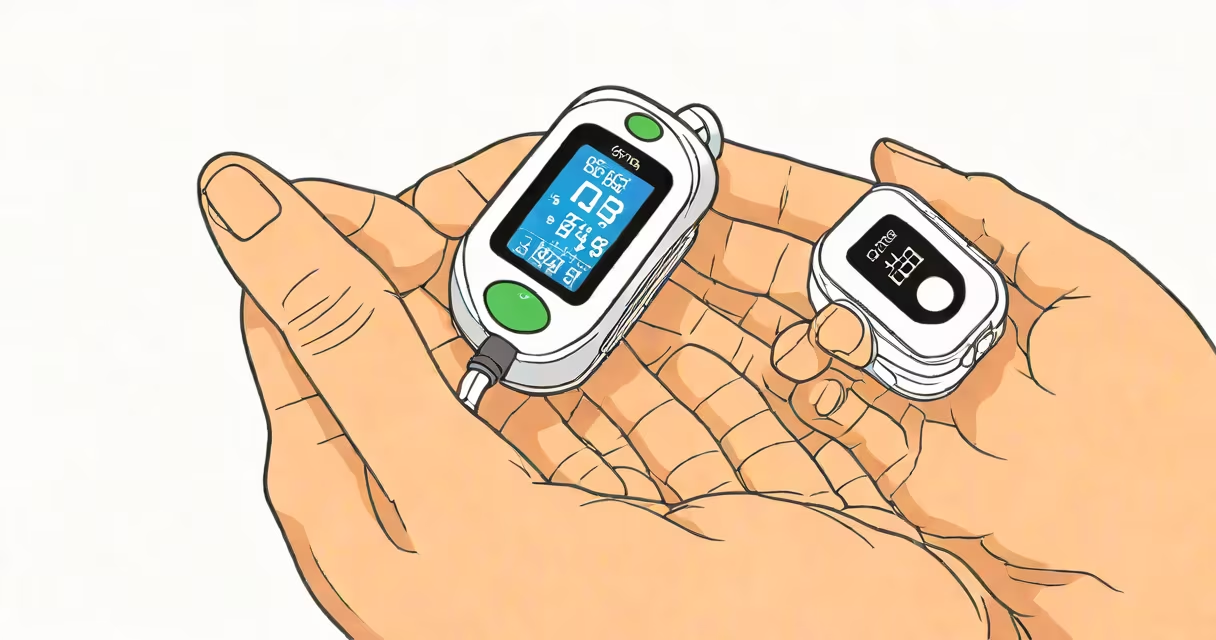
Safe blood oxygen levels refer to the percentage of hemoglobin saturated with oxygen in the bloodstream, typically measured as peripheral capillary oxygen saturation (SpO2) via a pulse oximeter. Normal values range from 94% to 100%, with levels below 90% indicating hypoxemia and requiring medical attention.
SpO2 is derived from light absorption through the fingertip using a sensor. The device emits red and infrared light; differences in absorption between oxygenated and deoxygenated hemoglobin allow calculation of saturation. This non-invasive method delivers results within seconds and is standard in clinics, hospitals, and home monitoring devices.
Clinical guidelines from the American Thoracic Society define SpO2 below 90% as hypoxemia, a condition linked to poor outcomes in respiratory failure, heart disease, and severe infections. For most adults, maintaining SpO2 above 94% ensures adequate tissue perfusion and prevents organ stress. A level of 92% or lower warrants immediate evaluation, especially during illness or high altitude exposure.
Two primary methods assess blood oxygen: pulse oximetry (non-invasive) and arterial blood gas (ABG) testing (invasive). Pulse oximeters are widely used due to speed, low cost, and ease of use. They provide real-time readings and are common in emergency rooms, intensive care units, and at-home health monitoring.
Arterial blood gas analysis measures actual partial pressure of oxygen (PaO2) in arterial blood drawn from an artery, usually the radial artery. PaO2 values below 80 mmHg indicate hypoxemia. ABG is more accurate than SpO2 because it accounts for factors like carbon monoxide poisoning, methemoglobinemia, and abnormal hemoglobin variants that can distort pulse oximeter readings.
A 2021 study published in Chest found that pulse oximetry underestimates hypoxemia in patients with sickle cell disease due to altered hemoglobin behavior. The researchers noted that SpO2 readings may appear normal while PaO2 remains critically low. This highlights the importance of using ABG in high-risk populations and confirms that SpO2 alone cannot replace clinical judgment.
For healthy individuals at sea level, normal SpO2 ranges from 94% to 100%. Values consistently below 90% suggest impaired gas exchange and require investigation. Chronic conditions such as COPD, pulmonary fibrosis, or sleep apnea may result in baseline SpO2 levels around 90-92%, which are considered acceptable for those patients but still warrant monitoring.
During acute illness, such as pneumonia or pulmonary embolism, SpO2 can drop rapidly. A patient with a fever, cough, and shortness of breath who shows SpO2 of 88% should seek urgent care. In hospital settings, oxygen supplementation is initiated when SpO2 falls below 90% in non-hypoxic patients or below 88% in those with chronic lung disease.
| SpO2 Range | Interpretation | Recommended Action |
|---|---|---|
| 94% - 100% | Normal | No intervention needed |
| 90% - 93% | Mild hypoxemia | Monitor closely; evaluate cause |
| 88% - 89% | Significant hypoxemia | Administer supplemental oxygen; seek medical assessment |
| < 88% | Severe hypoxemia | Emergency treatment required |
Many people assume that a pulse oximeter reading of 95% is always safe. However, this overlooks context. A person with chronic obstructive pulmonary disease (COPD) may have a stable baseline SpO2 of 88% and feel well. In such cases, raising their SpO2 to 95% with oxygen therapy can suppress hypoxic drive and lead to respiratory depression.
Another misconception is that SpO2 reflects oxygen delivery. It does not. Oxygen content in blood also depends on hemoglobin concentration and cardiac output. A patient with anemia may have normal SpO2 but still suffer from tissue hypoxia due to reduced oxygen-carrying capacity.
I once observed a patient with sepsis whose SpO2 remained at 96% despite worsening acidosis and low blood pressure. The pulse oximeter showed normal saturation, but ABG revealed a PaO2 of 55 mmHg and metabolic acidosis. This case underscored that SpO2 is a proxy, not a complete picture. Always correlate with symptoms, important signs, and lab tests.
SpO2 below 90% in a resting adult warrants medical evaluation. This threshold applies regardless of whether the person is symptomatic. Persistent low levels increase risk of arrhythmias, confusion, and organ damage.
For individuals with known lung or heart disease, even a drop from 94% to 90% may signal deterioration. Home monitoring with a pulse oximeter is recommended for those with chronic conditions. If SpO2 drops below 90% for more than five minutes, or if accompanied by shortness of breath, dizziness, or chest pain, contact a healthcare provider immediately.
High-altitude travelers often experience transient SpO2 reductions. At elevations above 2,500 meters (8,200 feet), SpO2 can fall to 85-90% due to lower atmospheric oxygen. Acclimatization typically restores levels to 90% or higher within 2-3 days. Supplemental oxygen or descent is advised if SpO2 remains below 88%.
Safe blood oxygen levels depend on individual health status, environment, and clinical context. While 94%-100% is the standard reference range, interpretation must consider comorbidities, symptoms, and diagnostic tools beyond SpO2 alone.
Understanding safe blood oxygen levels helps prevent complications from undetected hypoxemia. Monitoring SpO2 during illness, surgery, or high-altitude travel supports timely intervention. When in doubt, consult a clinician rather than relying solely on a number.