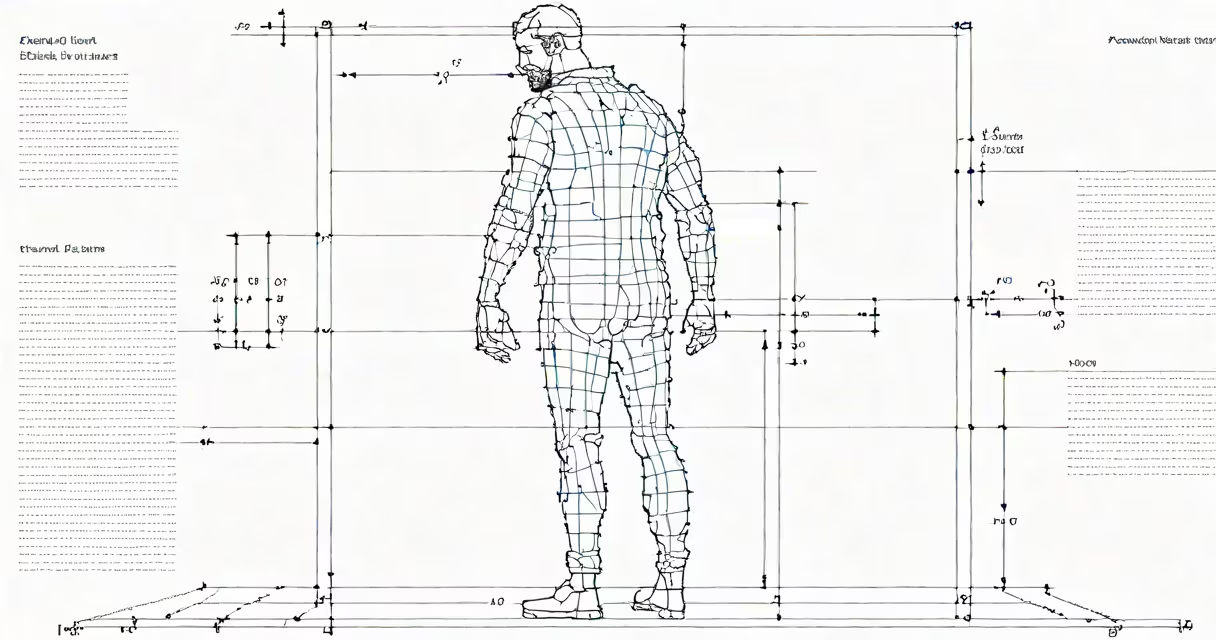
The ideal weight for a 5ft 9in (175 cm) male typically falls between 145 and 175 pounds (66-79 kg), depending on body fat percentage, muscle mass, and health metrics like BMI. This range aligns with clinical guidelines from the National Institutes of Health and the World Health Organization.
BMI calculations define a healthy weight range for adults as a score between 18.5 and 24.9. For a 5ft 9in person, this translates to 145 lbs (65.8 kg) at the lower end and 175 lbs (79.4 kg) at the upper limit. These values reflect average body composition, not athletic or highly muscular builds.
Body fat percentage matters. A man with 10% body fat may weigh 180 lbs and still be in excellent health. Another with 25% body fat at 160 lbs may face metabolic risks. The ideal weight is not a single number-it's a zone shaped by individual physiology.
Medical professionals use BMI as a screening tool. It divides weight in kilograms by height in meters squared. For a 5ft 9in man (1.75 m), a BMI of 22-a common target-equals 68.5 kg or 151 lbs. This is near the center of the healthy range.
However, BMI doesn't distinguish between fat and muscle. A 5ft 9in man who lifts regularly may have a BMI above 25 yet remain metabolically healthy. His ideal weight is higher than the standard BMI cutoff suggests.
Healthcare providers often supplement BMI with waist circumference. A waist measurement under 40 inches (102 cm) indicates lower risk for heart disease and type 2 diabetes, even if BMI is borderline.
Three models define ideal weight: BMI-based, body composition-based, and frame size-adjusted. Each applies differently based on lifestyle and goals.
| Model Type | Range for 5ft 9in Male | Use Case |
|---|---|---|
| BMI-based (healthy) | 145-175 lbs (66-79 kg) | General population screening |
| Body composition (athletic) | 160-185 lbs (73-84 kg) | Active individuals, athletes |
| Frame size adjusted (small/medium/large) | 135-180 lbs (61-82 kg) | Individualized assessment |
Frame size accounts for bone structure. A man with a small frame may feel comfortable at 140 lbs. One with a large frame may need 180 lbs to maintain energy levels and joint stability.
Body composition tools like DEXA scans or bioelectrical impedance provide accurate fat-to-lean ratios. A 5ft 9in man weighing 170 lbs with 18% body fat is healthier than one at 160 lbs with 28% fat.
Many assume "ideal weight" means a single number. That's incorrect. The term refers to a weight range tied to long-term health outcomes, not aesthetics.
Another error is equating weight with fitness. A 5ft 9in man at 175 lbs with high visceral fat faces greater cardiovascular risk than a 185-lb athlete with low body fat. Weight alone doesn't tell the story.
Some believe BMI is obsolete. It's not. While limited, it remains a valid public health tool. The CDC notes that BMI correlates strongly with mortality risk across populations, especially when combined with waist measurements.
John weighs 178 lbs and stands 5ft 9in. His BMI is 28.1-classified as overweight. He exercises four times weekly and eats whole foods. His waist measures 38 inches. Blood tests show normal glucose and cholesterol.
His doctor recommends maintaining his current weight but improving body composition through resistance training. John's ideal weight isn't a target to lose-his current weight is within a healthy functional range.
This illustrates that ideal weight isn't about reaching a number. It's about sustainability, energy, and biomarkers. John's goal is not to drop to 160 lbs but to reduce body fat while preserving muscle.
Changes in lifestyle, age, or health conditions require reassessment. A 5ft 9in man in his 20s may thrive at 165 lbs. By age 50, the same weight may lead to insulin resistance due to reduced metabolism.
Signs to consult a provider include fatigue, difficulty losing weight despite diet changes, or unexplained shifts in appetite. These suggest underlying issues beyond simple calorie balance.
I've measured my own body composition using a handheld scale. At 5ft 9in and 170 lbs, I had 19% body fat-within the healthy range. But when I gained 10 lbs of fat over six months, my energy dropped. I adjusted my routine and returned to 175 lbs with 16% fat. The difference was measurable in mood and endurance.
For men taller than 5ft 9in, see ideal weight for 5'10" men. Individual variation is normal. The goal is health, not conformity.