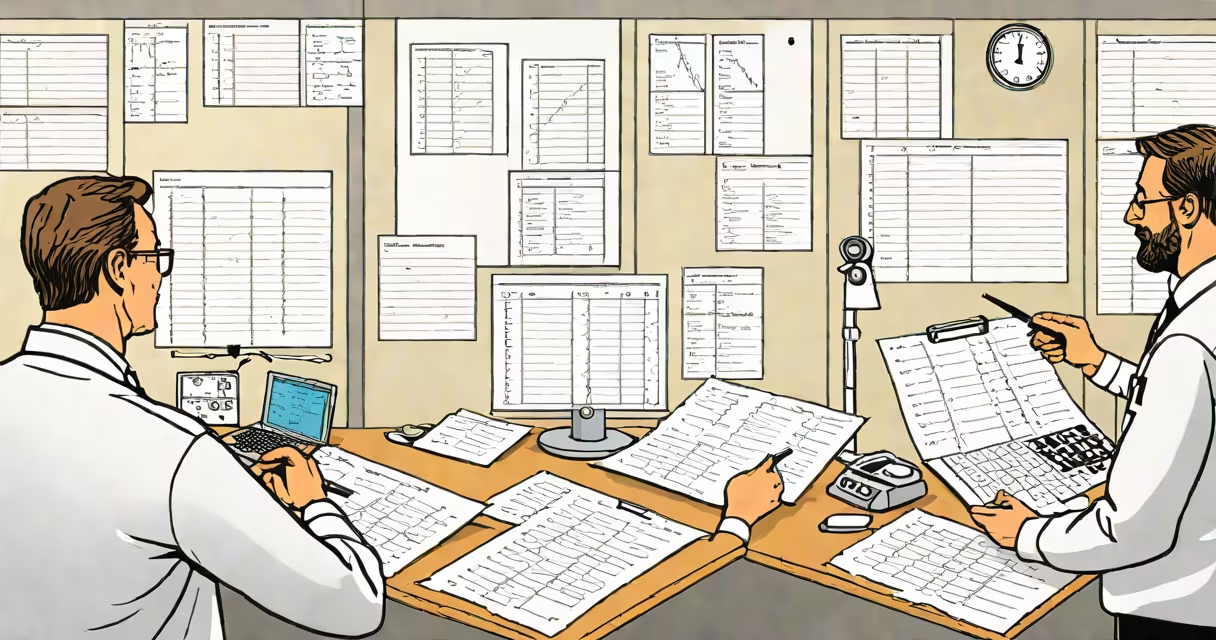
A health services manager plans, directs, and coordinates medical and health services in hospitals, clinics, and public health organizations. They ensure care delivery runs efficiently, staff are properly scheduled, and regulatory standards are met. These professionals work behind the scenes to maintain quality, safety, and financial stability across healthcare settings.
Health services managers operate across diverse environments-acute care hospitals, outpatient centers, long-term care facilities, and government health departments. Their responsibilities span budgeting, staffing, policy implementation, and performance monitoring. According to the U.S. Bureau of Labor Statistics, employment in this field is projected to grow 32% from 2021 to 2031, much faster than average, driven by aging populations and expanding healthcare needs.
These managers do not provide direct patient care. Instead, they focus on systems: scheduling, resource allocation, workflow optimization, and compliance with federal regulations such as HIPAA and CMS standards. A single misstep in documentation or staffing can result in penalties or compromised patient outcomes. Managers prevent those issues through proactive planning and oversight.
Health services managers function as operational leaders. They translate clinical goals into actionable plans. For example, when a hospital introduces a new electronic health record (EHR) system, the manager leads the rollout-training staff, setting timelines, and troubleshooting access issues. They don't write software but ensure it's used correctly across departments.
They analyze performance metrics such as patient wait times, bed turnover rates, and readmission levels. Data from these indicators informs decisions about staffing levels, equipment procurement, and service expansion. A manager might notice that emergency department wait times have increased by 22% over three months. They would investigate causes-possibly understaffing during night shifts-and propose solutions like adjusting shift schedules or hiring temporary personnel.
Managers also serve as liaisons between clinical teams and executive leadership. When a new state regulation requires changes to discharge procedures, the manager communicates the impact to nursing directors and finance officers. They coordinate training sessions, update protocols, and track adherence. This role bridges clinical practice and organizational strategy.
Health services management falls into several functional categories based on setting and focus. The most common types include:
| Type | Setting | Primary Focus | Example |
|---|---|---|---|
| Clinical Operations Manager | Hospital departments | Day-to-day unit efficiency | Overseeing surgical set scheduling and OR turnover time |
| Administrative Health Services Manager | Outpatient clinics | Appointment systems and patient flow | Reducing no-show rates through automated reminders |
| Public Health Services Manager | State or local health departments | Disease prevention programs and community outreach | Leading vaccination campaigns during flu season |
| Long-Term Care Facility Manager | Nursing homes, assisted living | Regulatory compliance and resident well-being | Ensuring medication logs meet CMS requirements |
Each type demands different skills. Clinical operations managers must understand surgical workflows and infection control. Public health managers need expertise in epidemiology and grant writing. Long-term care managers often handle complex legal and ethical decisions around patient autonomy and end-of-life care.
Many health services managers hold a Master of Healthcare Administration (MHA) or Master of Business Administration (MBA) with a healthcare concentration. The Commission on Accreditation of Healthcare Management Education (CAHME) accredits over 100 graduate programs in the U.S., ensuring curricula cover ethics, finance, and health policy.
People often confuse health services managers with physicians or nurses. While clinicians treat patients, managers support the infrastructure that enables treatment. A nurse may administer medication; a health services manager ensures the pharmacy has enough supply and that the correct dosage records are filed.
Another misconception is that health services managers only handle paperwork. In reality, they make high-stakes decisions under pressure. During a surge in patient admissions due to a seasonal illness, a manager must quickly reallocate beds, call in extra staff, and notify the emergency department. Their choices affect patient safety and staff workload.
Health services managers are not interchangeable with medical billing specialists or insurance coordinators. Those roles focus narrowly on coding, claims processing, and payer negotiations. Health services managers oversee entire units or systems, integrating clinical, financial, and human resources functions.
One non-obvious fact: many health services managers begin their careers in clinical roles. A former registered nurse who spent 12 years in a trauma center might transition into management after earning an MHA. That clinical background gives them credibility with frontline staff and deeper insight into workflow challenges. The American Hospital Association notes that 63% of hospital administrators have prior clinical experience.
In 2022, a regional hospital in Colorado reported that patients in the emergency department waited an average of 98 minutes to see a provider. After analyzing data, the health services manager identified bottlenecks: delayed lab results and inconsistent triage assignment.
The manager implemented a new triage protocol using standardized checklists and assigned a dedicated coordinator to monitor test turnaround times. They also introduced a dashboard that displayed real-time wait times on screens in the waiting area. Within six weeks, average wait time dropped to 54 minutes-a 45% improvement.
This change required collaboration across departments. The manager worked with IT to integrate lab status updates into the triage system, trained staff on the new checklist, and adjusted shift patterns to ensure coverage during peak hours. The success was measured not just in reduced wait times but in improved patient satisfaction scores, which rose from 72% to 89% over three months.
Such outcomes demonstrate that health services managers drive measurable improvements in care delivery-not through clinical intervention, but through systemic design and execution.