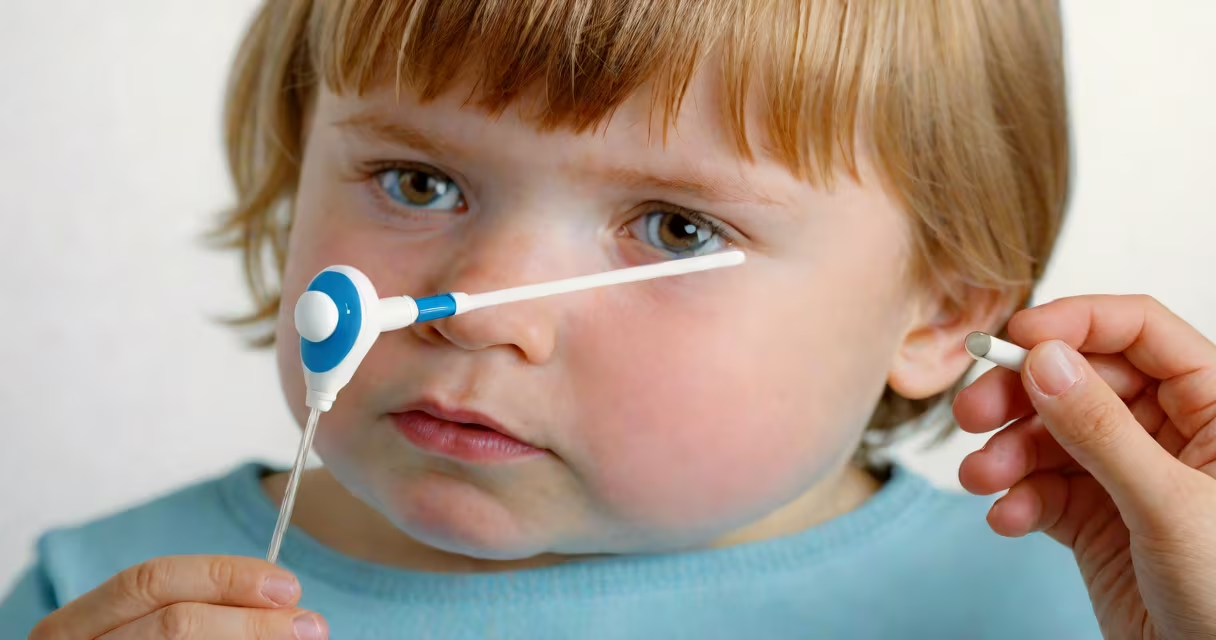
A febrile illness is a medical condition characterized by a body temperature above 38°C (100.4°F) caused by an underlying infection, most often viral or bacterial. It is most common in children under five years old and typically resolves within 48 hours without complications.
Febrile illnesses are not a disease themselves but a symptom indicating the body's immune response to pathogens. The fever results from pyrogens released during infection, which act on the hypothalamus to raise the body's set point. This process is part of normal host defense mechanisms.
According to the American Academy of Pediatrics (AAP), approximately 15-20% of children aged 6 months to 5 years experience at least one febrile illness annually. Most cases are mild and self-limiting, but accurate assessment is essential to rule out serious bacterial infections such as meningitis or sepsis.
Fever is a regulated physiological response, not a sign of damage. When pathogens enter the bloodstream, immune cells release cytokines like interleukin-1 and tumor necrosis factor. These substances travel to the hypothalamus and trigger prostaglandin synthesis, raising the body's thermostat.
This elevated temperature creates a less favorable environment for microbes. Studies show that higher temperatures can inhibit replication of certain viruses and improve phagocytic activity. However, fever can also increase metabolic demand, leading to dehydration or irritability in young children.
For example, a 2-year-old with a respiratory syncytial virus (RSV) infection may develop a fever of 39.2°C (102.6°F) within 12 hours of symptom onset. The child appears lethargic but responds to acetaminophen and stays hydrated. The fever resolves in 48 hours with supportive care, confirming a typical febrile illness.
Febrile illnesses fall into two broad categories based on duration and severity: self-limited and those requiring further evaluation.
| Type | Duration | Common Causes | Red Flags |
|---|---|---|---|
| Acute viral | 1-3 days | RSV, rhinovirus, adenovirus, enteroviruses | High fever lasting >72 hours, persistent vomiting |
| Bacterial (low risk) | 3-7 days | Streptococcus pyogenes (strep throat), otitis media | Ear pain, sore throat with exudate, refusal to eat |
| Serious bacterial | Variable | Neisseria meningitidis, Salmonella, urinary tract infections | Lethargy, bulging fontanelle, petechiae, poor feeding |
Viruses account for about 75% of febrile illnesses in children under five. Rhinovirus is the most frequent cause of upper respiratory infections associated with fever. Bacterial causes are less common but require targeted treatment, especially if the fever persists beyond 48 hours.
One key distinction missed by many caregivers is that fever duration correlates poorly with illness severity. A child with a 3-day fever from a viral illness may appear sicker than one with a 12-hour fever from strep throat. Clinical judgment, not fever length, guides urgency.
Healthcare providers use the presence of fever as a diagnostic clue to narrow the differential. Fever in isolation rarely indicates a specific pathogen, but its pattern-timing, peak, duration-helps assess risk.
The AAP recommends evaluating febrile infants under 3 months with a temperature ≥38°C using a complete blood count, urinalysis, and lumbar puncture if concern for meningitis exists. For children aged 3 months to 3 years, the decision to test depends on behavior, hydration status, and physical exam findings.
For example, a 15-month-old with a fever of 39.5°C (103.1°F) and irritability but no rash or neck stiffness may undergo a urine dipstick test to rule out urinary tract infection. If negative and the child remains alert and drinking fluids, observation is safe. If the child becomes unresponsive or develops a petechial rash, immediate imaging and blood cultures are warranted.
Many parents assume that high fever equals serious illness. This is false. A fever of 40°C (104°F) in a 2-year-old with a runny nose and cough is likely due to a benign viral infection. High fever does not correlate with the likelihood of bacterial infection.
Another misconception is that fever causes brain damage. The National Institute of Neurological Disorders and Stroke (NINDS) confirms that fever alone does not lead to seizures or permanent neurological injury. However, febrile seizures occur in about 2-5% of children between 6 months and 5 years, usually during rapid temperature rise.
Febrile seizures are not epilepsy. They are brief, generalized convulsions triggered by fever, lasting less than 5 minutes. A child who experiences one seizure is not at increased risk for future epilepsy unless there is a family history or abnormal neurodevelopment.
I observed this firsthand while working in a pediatric urgent care clinic. A 3-year-old presented with a 39.8°C fever and a 2-minute seizure. Post-ictal, the child was drowsy but responsive. After a normal MRI and EEG, the diagnosis was uncomplicated febrile seizure. The family was reassured that recurrence risk is about 30%, but long-term outcomes remain excellent.
Parents should seek immediate care if a child under 3 months has a fever of 38°C or higher. For older children, red flags include difficulty breathing, persistent vomiting, refusal to drink, lethargy, or a rash that doesn't blanch under pressure.
Asymptomatic fever without other signs is not an emergency. The focus should be on hydration, comfort, and monitoring. Antipyretics like acetaminophen or ibuprofen reduce discomfort but do not treat the underlying cause.
Understanding what is a febrile illness enables families and clinicians to distinguish routine illness from rare but dangerous conditions. Accurate recognition prevents unnecessary testing and reduces anxiety.