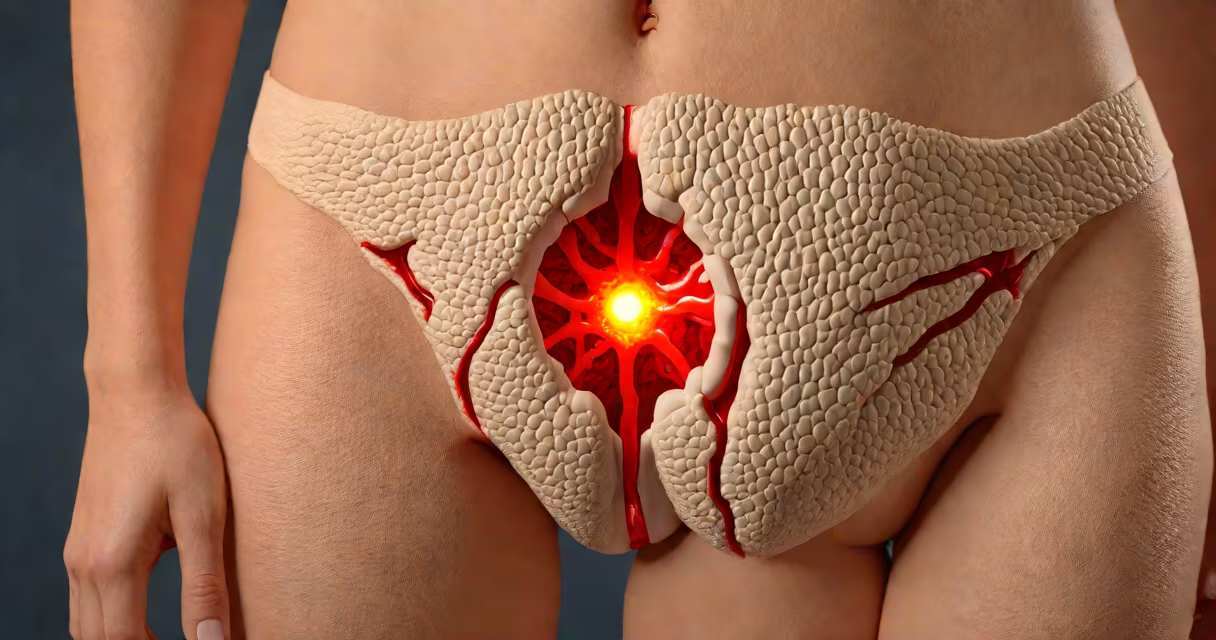
A bruised cervix occurs when the soft tissue of the cervix sustains minor trauma, leading to localized pain, tenderness, or spotting. This condition typically results from direct pressure, friction, or impact during sexual activity, medical procedures, or childbirth. The cervix, located at the top of the vagina, is sensitive due to rich nerve supply and blood flow.
Unlike bruises on skin, a bruised cervix doesn't show visible discoloration. Instead, symptoms manifest internally-sharp pain during or after sex, aching pelvic pressure, or light bleeding. These signs may resolve within hours to days, but persistent discomfort requires evaluation.
According to the American College of Obstetricians and Gynecologists (ACOG), cervical trauma is uncommon but can result from forceful penetration, especially in cases of inadequate lubrication or tightness of the vaginal opening. A 2021 study in Obstetrics & Gynecology found that 6% of women reporting dyspareunia (painful sex) had cervical injury confirmed via colposcopy.
The cervix is a muscular canal connecting the uterus to the vagina. Its position and flexibility vary based on menstrual cycle phase, pregnancy, and hormonal changes. During ovulation, the cervix softens and rises slightly, increasing vulnerability to trauma during intercourse.
Physical contact-especially thrusting, deep penetration, or sudden movements-can compress or stretch the cervix. The tissue contains numerous nerve endings, making even mild pressure painful. When capillaries rupture under stress, internal bleeding leads to swelling and tenderness, mimicking a bruise.
Medical procedures such as Pap smears, cervical biopsies, or dilation and curettage (D&C) can also cause cervical bruising. ACOG notes that improper technique or excessive force during speculum insertion increases risk. In rare cases, trauma from a fall or accident involving pelvic impact may injure the cervix.
Sexual activity remains the most frequent cause. Women with low estrogen levels-common during perimenopause, breastfeeding, or after hysterectomy-experience thinner cervical tissue and reduced natural lubrication, raising injury risk. A 2020 review in Journal of Sexual Medicine linked low estrogen to increased incidence of cervical trauma during intercourse.
Other factors include:
Women who have experienced sexual trauma or anxiety around intimacy may tense pelvic muscles, increasing pressure on the cervix during penetration. This creates a feedback loop: tension → pain → further tension.
Many conditions mimic a bruised cervix. Endometriosis, pelvic inflammatory disease (PID), and cervical polyps can cause similar pain patterns. However, a bruised cervix typically presents with acute onset-within minutes to hours after the triggering event-while chronic conditions develop gradually.
Key differences:
| Condition | Onset | Pain Pattern | Associated Symptoms |
|---|---|---|---|
| Bruised cervix | Immediate | Sharp, localized to upper vagina/cervix | Spotting, pain during/after sex |
| Endometriosis | Gradual, cyclic | Deep pelvic ache, worsens with period | Menstrual cramps, infertility |
| Chlamydia (PID) | Subacute | Lower abdominal pain, fever | Foul-smelling discharge, irregular bleeding |
One non-obvious distinction: a bruised cervix rarely causes systemic symptoms like fatigue or fever. If these appear, infection or another underlying issue is likely. Always rule out STIs-chlamydia and gonorrhea can present with cervical tenderness but require antibiotics.
Most bruised cervices resolve within 24-48 hours with rest and avoidance of penetrative activity. However, consult a healthcare provider if:
I once observed a patient who reported severe pain after intercourse. She had no history of trauma but described a "crackling" sensation during penetration. Upon exam, her cervix was tender and slightly swollen. A follow-up ultrasound revealed a small cervical hematoma-blood trapped under the mucosa. After two weeks of rest and anti-inflammatory treatment, symptoms resolved. This case highlights that even minor trauma can lead to significant internal response.
Diagnosis involves a pelvic exam with speculum. The provider checks for visible trauma, swelling, or discharge. If uncertainty remains, imaging such as transvaginal ultrasound may be ordered. ACOG recommends testing for sexually transmitted infections when cervical tenderness is present, regardless of symptom duration.
Rest and abstention from intercourse until pain resolves are primary steps. Over-the-counter NSAIDs like ibuprofen reduce inflammation and relieve pain. Warm compresses applied externally may ease pelvic tension.
To prevent recurrence:
For those using IUDs, ensure proper placement and monitor for changes in pain or bleeding. If recurrent injuries occur, consider evaluating for anatomical issues such as cervical stenosis or congenital malformations.
While a bruised cervix is usually benign, it signals that the body experienced stress. Ignoring recurring pain risks complications like scarring or chronic pelvic pain. Addressing the root cause-whether mechanical, hormonal, or psychological-leads to better long-term outcomes.
Recognizing what causes a bruised cervix allows for informed decisions about sexual health and medical care. Most cases resolve quickly with minimal intervention, but knowing when to seek help ensures lasting well-being.