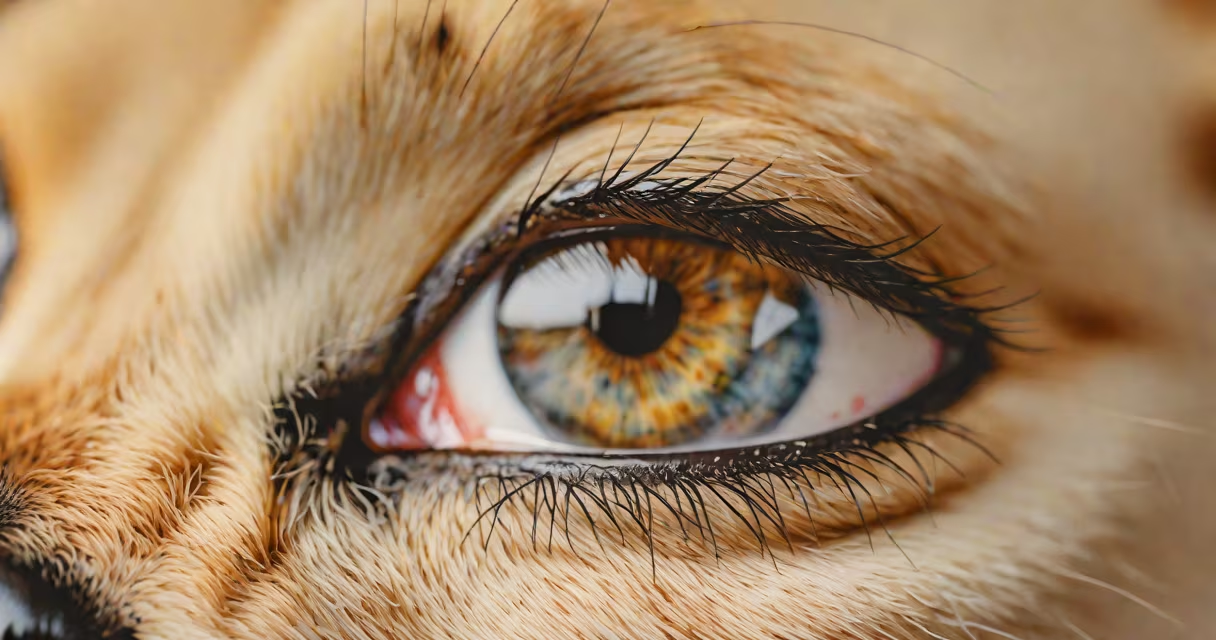
A swollen dog eye results from inflammation, fluid buildup, or tissue reaction in the eye area. Causes range from minor irritants to serious infections or injuries. Prompt evaluation is essential because swelling can indicate conditions requiring immediate treatment.
Swelling around the eye affects the conjunctiva, eyelid, or orbital tissues. It may appear suddenly or develop over hours. The condition often affects one eye but can involve both. Common triggers include allergic reactions, foreign objects, injuries, and systemic diseases. Identifying the root cause determines whether home care suffices or urgent vet intervention is needed.
Eye swelling occurs when blood vessels dilate and leak fluid into surrounding tissues. This response is part of the immune system's defense against threats. In dogs, the delicate structures around the eye-like the conjunctiva and lacrimal glands-are highly sensitive to irritation or infection.
When allergens, bacteria, or debris enter the eye, immune cells release chemicals such as histamine. These cause blood vessels to widen and fluid to seep into nearby tissues. The result is puffiness, redness, and discomfort. In severe cases, swelling can obstruct vision or press on the eyeball.
For example, a dog exposed to pollen during spring may develop sudden swelling in one eye within 30 minutes of outdoor exposure. The swelling typically starts at the inner corner and spreads toward the nose. This pattern helps differentiate allergic reactions from other causes.
Several distinct conditions lead to eye swelling. Not all require emergency care, but misdiagnosis risks worsening outcomes. Below are the most frequent causes, ranked by likelihood and severity.
| Condition | Key Signs | Typical Onset | Urgency Level |
|---|---|---|---|
| Allergic reaction | Swelling near inner corner, itching, clear discharge | Minutes to hours | Low to moderate |
| Conjunctivitis | Redness, mucus-like discharge, squinting | Hours to days | Low |
| Corneal ulcer | Pain, cloudiness, excessive tearing, pawing at eye | Hours | High |
| Glaucoma | Severe pain, bulging eye, dilated pupil, blindness risk | Days to weeks | Emergency |
| Orbital cellulitis | Facial swelling, fever, lethargy, inability to open eye | Hours to days | Emergency |
One non-obvious distinction: swelling confined to the upper eyelid often points to a stye (hordeolum), while lower lid swelling suggests a chalazion. Both are blocked oil glands, but styes are usually painful and inflamed, whereas chalazia grow slowly and may not hurt. Misidentifying them leads to delayed treatment.
Another overlooked factor is breed predisposition. Brachycephalic breeds-like Bulldogs, Pugs, and Shih Tzus-have shallow eye sockets and protruding eyes. They're prone to corneal abrasions from rubbing against surfaces. A single fall or bump can trigger significant swelling even without visible injury.
Any swelling that worsens over 6-12 hours, affects vision, or is accompanied by pain requires professional assessment. Delaying care increases the risk of permanent damage, especially if the cornea is involved.
For instance, a 4-year-old Golden Retriever developed unilateral eye swelling after playing in tall grass. Within four hours, the eye was half-closed, and the dog avoided light. A vet diagnosed a corneal ulcer caused by a grass seed embedded under the eyelid. Without prompt removal, the ulcer could have led to rupture and loss of the eye.
Even mild swelling warrants attention if it persists beyond 24 hours. The American College of Veterinary Ophthalmologists notes that untreated conjunctivitis can progress to keratitis, which damages the cornea. Early diagnosis improves recovery rates by over 70%.
Many owners assume swelling is due to "just a bug bite" or "dust." While those can trigger minor reactions, persistent or asymmetric swelling signals deeper issues. For example, a dog with a swollen eye and drooling may have a dental abscess spreading to the eye socket-a rare but life-threatening condition.
Another myth: "If my dog isn't squinting, the eye isn't painful." Pain signs vary. Some dogs hide discomfort through quiet behavior. Others pace, tilt their heads, or avoid touching the affected side. A dog with glaucoma may still open the eye but show signs of distress when touched near the temple.
I once observed a Boxer with a swollen left eye that appeared normal on initial inspection. Only upon close examination did I notice the pupil was dilated and unresponsive. The dog had developed acute glaucoma, likely due to a genetic predisposition. Immediate treatment prevented total vision loss.
Do not apply eye drops unless prescribed. Over-the-counter human medications can worsen swelling or cause toxicity. Avoid using cotton balls or wipes on the eye-these can transfer bacteria or scratch the cornea.
Keep the dog calm and limit activity. Prevent scratching with an Elizabethan collar if necessary. Monitor for changes: increased redness, pus, bleeding, or refusal to eat. Take photos of the eye at different times to track progression.
If swelling doesn't improve in 12 hours or worsens, contact a veterinarian. Many clinics offer telemedicine triage, but physical exams remain essential for accurate diagnosis. Conditions like orbital cellulitis or tumors require imaging (CT/MRI) and biopsy.
Understanding why your dog's eye is swollen begins with recognizing symptoms and acting quickly. Early intervention prevents complications and preserves vision. Always consult a vet when swelling appears-especially if it affects one eye, progresses rapidly, or includes pain.