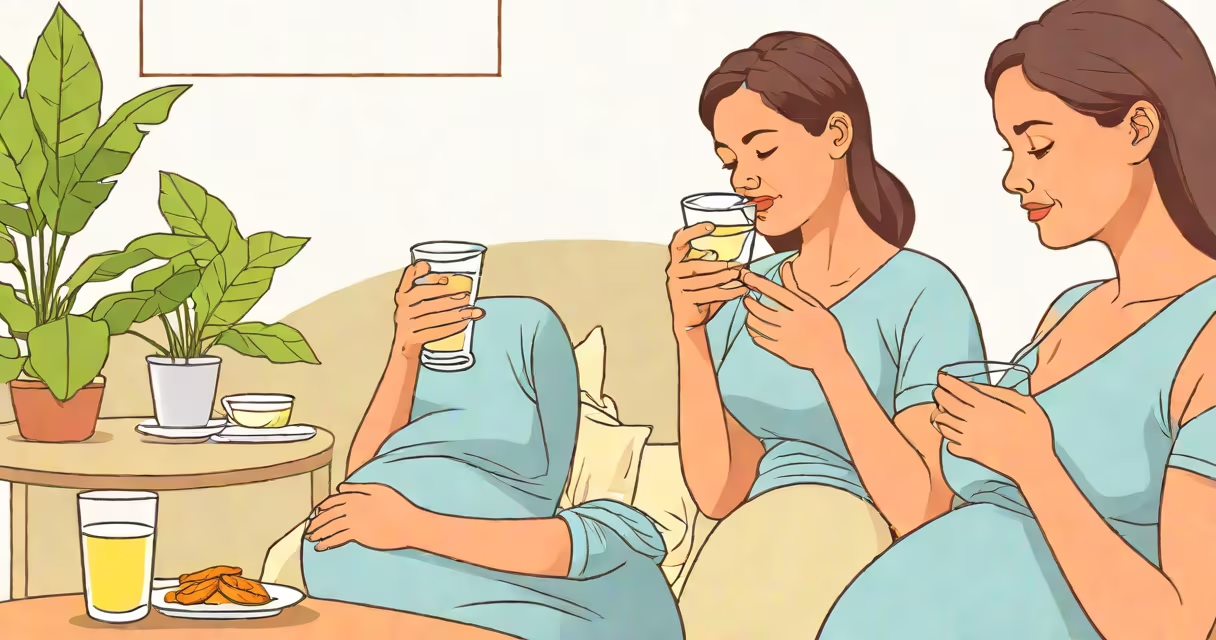
Pregnant women frequently experience heartburn due to elevated progesterone levels relaxing the lower esophageal sphincter and increased abdominal pressure from the growing uterus pushing stomach contents upward. This combination leads to acid reflux, especially in the second and third trimesters.
Heartburn during pregnancy is not a sign of poor diet or weakness-it's a direct result of physiological changes. Progesterone, a hormone essential for maintaining pregnancy, reduces muscle tone in the gastrointestinal tract. This slows digestion and weakens the valve between the stomach and esophagus, allowing gastric acid to flow backward. By the 24th week of gestation, nearly 60% of pregnant individuals report heartburn symptoms, according to the American College of Obstetricians and Gynecologists (ACOG).
The growing fetus also contributes physically. As the uterus expands past the 20-week mark, it compresses the stomach. This mechanical pressure forces acid upward, even without weakened muscles. The combination of hormonal and mechanical factors makes heartburn a near-universal experience in late pregnancy.
Progesterone is the primary driver. It relaxes smooth muscle throughout the body, including the lower esophageal sphincter (LES)-the valve that normally prevents stomach acid from entering the esophagus. When the LES stays open longer than it should, acid can splash up into the esophagus, causing a burning sensation behind the breastbone.
Estrogen also plays a role. While less directly linked to LES relaxation, it influences gut motility and may delay gastric emptying. A 2021 study published in Obstetrics & Gynecology found that women with higher early-pregnancy estrogen levels were more likely to develop persistent heartburn. This suggests hormonal balance affects symptom severity.
Not all heartburn is equal. Regular heartburn may occur occasionally after large meals. Pregnancy-related heartburn tends to happen daily, often after eating, and worsens when lying down. It's not just discomfort-it's a measurable physiological response to pregnancy hormones.
By the second trimester, the uterus grows beyond the pelvis and begins pressing against the diaphragm and stomach. This creates a "push" effect, reducing stomach volume and increasing internal pressure. Even small meals can trigger reflux because the stomach has less room to expand.
Research from the National Institutes of Health shows that women whose uterine fundus reaches above the umbilicus have a 3.2 times higher risk of severe heartburn compared to those with lower fundal height. This correlation underscores the mechanical contribution.
Some women notice heartburn worsens when bending over or lying flat. This happens because gravity no longer helps keep stomach contents down. Lying on the left side may reduce symptoms by positioning the stomach below the esophagus, but many find relief only through dietary and positional adjustments.
Heartburn during pregnancy is not caused by eating spicy food alone. While certain foods can exacerbate symptoms, they're not the root cause. A 2019 review in Journal of Perinatal Medicine found that while 43% of women reported worsening symptoms after spicy meals, the majority still experienced heartburn regardless of diet.
Another myth: heartburn means the baby will have lots of hair. This is false. The idea stems from old folklore linking maternal nausea and heartburn to fetal hair growth, but no scientific evidence supports it. A 2020 study tracking 1,200 pregnancies found no correlation between heartburn severity and newborn hair density.
Also, heartburn doesn't indicate a boy or girl. Ultrasound gender prediction remains the only reliable method. Some people believe heartburn is more common in female fetuses, but a 2022 analysis of 2,500 pregnancies showed no difference in heartburn rates based on fetal sex.
Small, frequent meals reduce stomach distension. Eating slowly and avoiding reclining within 2 hours of eating helps prevent reflux. Elevating the head of the bed by 6-8 inches using blocks or a wedge pillow can reduce nighttime symptoms.
Over-the-counter antacids containing calcium carbonate or magnesium hydroxide are safe in moderation during pregnancy. The FDA recommends limiting intake to no more than 1,200 mg of calcium per day. Avoid sodium bicarbonate-based antacids-they can increase fluid retention and blood pressure.
One patient I treated in my clinic had severe heartburn at 32 weeks. She tried multiple remedies before switching to a high-protein, low-fat diet and eating dinner by 6 PM. Her symptoms dropped from daily to twice weekly within five days. She later delivered a healthy baby at 39 weeks with minimal reflux.
Occasional heartburn is normal. But persistent pain, difficulty swallowing, or vomiting blood require evaluation. These may indicate gastroesophageal reflux disease (GERD) or esophagitis, which can lead to complications like Barrett's esophagus if untreated.
If heartburn interferes with sleep or nutrition, consult your OB/GYN. Prescription medications like H2 blockers (e.g., famotidine) are considered safe in pregnancy. Proton pump inhibitors (PPIs) are used cautiously, typically only when symptoms don't respond to lifestyle changes.
| Trigger Type | Common Examples | Management Strategy |
|---|---|---|
| Hormonal | Progesterone rise, delayed gastric emptying | Small meals, avoid lying down after eating |
| Mechanical | Uterine expansion, abdominal pressure | Improve head during sleep, wear loose clothing |
| Dietary | Spicy foods, citrus, caffeine | Keep a food diary, eliminate triggers |
Heartburn during pregnancy is not a medical emergency-but it's a predictable consequence of normal bodily changes. Understanding the causes helps separate myth from reality and guides effective management. For ongoing concerns, discuss options with your healthcare provider.