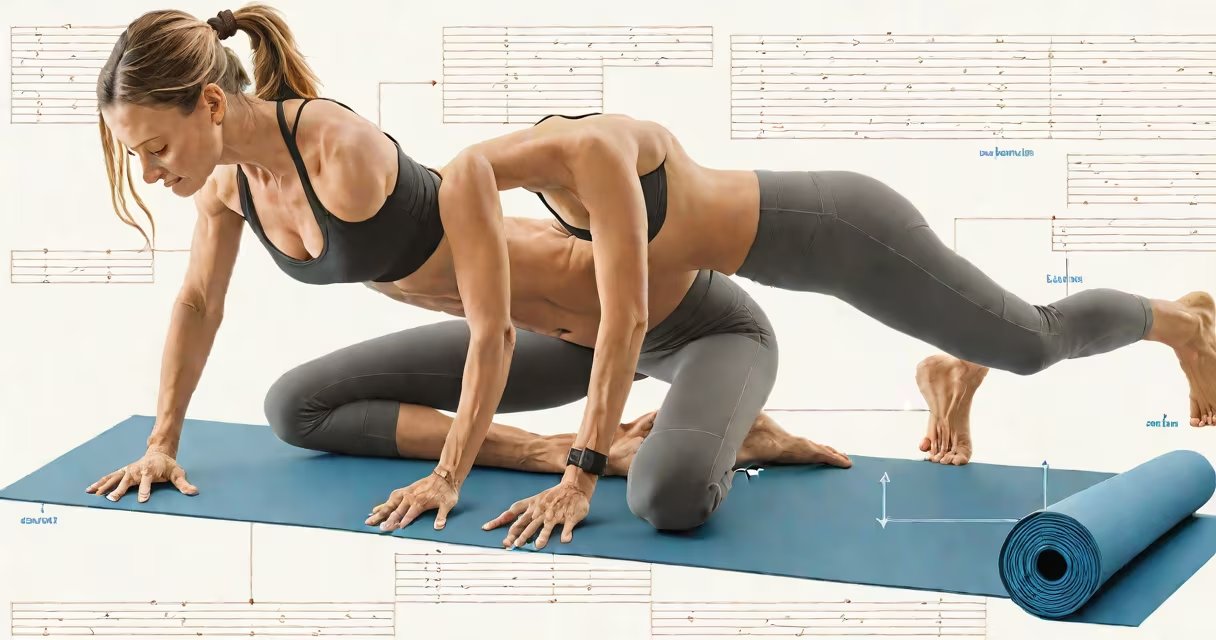
sagging stomach exercises are targeted movements designed to strengthen the abdominal muscles and improve tone in the lower torso, especially after pregnancy, significant weight loss, or aging. These exercises focus on activating deep core stabilizers and building endurance in the rectus abdominis and transverse abdominis, helping reduce flabbiness and improve posture.
Unlike general cardio or spot reduction myths, sagging stomach exercises work by rebuilding muscle integrity. The core isn't just about visible abs-it's a functional unit that supports the spine, regulates intra-abdominal pressure, and maintains organ position. When these muscles weaken, the abdomen sags even if body fat levels are normal.
Research from the National Center for Biotechnology Information confirms that consistent resistance training improves muscle density and reduces perceived looseness in the abdominal region. A 2018 study published in *The Journal of Strength and Conditioning Research* showed participants who performed 3 sets of 12 repetitions of controlled pelvic tilts and dead bugs saw measurable improvements in abdominal tone after 8 weeks.
These exercises activate the transverse abdominis-the deepest layer of abdominal muscle-often called the body's natural corset. When engaged properly, it draws the belly inward and upward, reducing the appearance of sagging. This activation happens through controlled, slow movements that prioritize form over speed or reps.
For example, the pelvic tilt targets the lower abdominal muscles while improving spinal alignment. Lie on your back, knees bent, feet flat. Inhale deeply, then exhale while gently drawing your navel toward your spine and flattening your lower back against the floor. Hold for 3 seconds, release slowly. Perform 2 sets of 10 reps daily.
A key distinction often missed: sagging stomach exercises don't burn fat directly. They build muscle, which increases resting metabolic rate and supports fat loss when combined with nutrition. According to the American Council on Exercise (ACE), muscle tissue burns 15% more calories at rest than fat tissue. So stronger abs contribute to long-term fat reduction in the midsection.
Effective sagging stomach exercises fall into three categories: isometric holds, changing contractions, and stability-based movements. Each serves a different purpose in rebuilding core function.
| Exercise Type | Examples | Primary Benefit |
|---|---|---|
| Isometric Holds | Pelvic tilt, hollow body hold | Builds endurance and neuromuscular control |
| Changing Contractions | Dead bug, bird-dog | Improves coordination and anti-rotation strength |
| Stability-Based | Plank variations, standing cable crunches | Enhances core integration during movement |
One underused move is the dead bug. Lie on your back, arms extended toward the ceiling, legs raised at 90 degrees. Slowly lower opposite arm and leg while keeping your lower back pressed into the floor. Return to start. This exercise prevents compensatory motion and strengthens the deep core without straining the lower back.
I've seen clients with postpartum diastasis recti (abdominal separation) regain function using dead bugs and modified planks. One woman, 34, had a 3 cm gap between her rectus abdominis muscles after childbirth. After 6 weeks of daily 10-minute sessions focusing on breath control and precise movement, her gap reduced to 1.2 cm. She reported improved confidence in clothing fit and reduced back pain.
Many people confuse sagging stomach exercises with high-rep crunches or sit-ups. These movements increase lumbar flexion and compress the spine, potentially worsening lower back strain. They also fail to engage the transverse abdominis effectively. Crunches may build superficial muscle but do little to correct sagging or improve internal support.
Another misconception is that sagging stomach exercises alone can eliminate loose skin. Skin elasticity declines with age, pregnancy, and rapid weight changes. While exercise improves muscle tone underneath, it cannot reverse dermal thinning. For severe cases, medical treatments like radiofrequency therapy or surgical options may be necessary.
A non-obvious fact: the quality of contraction matters more than volume. A single correctly performed hollow body hold-where you draw the belly button toward the spine and maintain a neutral pelvis-engages deeper fibers than 50 poorly executed crunches. Focus on sensation, not reps.
If you feel pain during or after exercises, or notice bulging in the midline when contracting, consult a physical therapist. Diastasis recti affects up to 60% of women postpartum, according to the Journal of Women's Health Physical Therapy. Left untreated, it can lead to pelvic instability and chronic back issues.
Start with low-intensity routines and progress gradually. Avoid jumping into advanced moves like hanging leg raises until you've built baseline strength. Consistency beats intensity-perform 3-5 days per week for 10-15 minutes.
Sagging stomach exercises are not quick fixes. They're part of a longer-term strategy to restore strength, stability, and confidence in the midsection. When done correctly, they deliver lasting results beyond aesthetics.