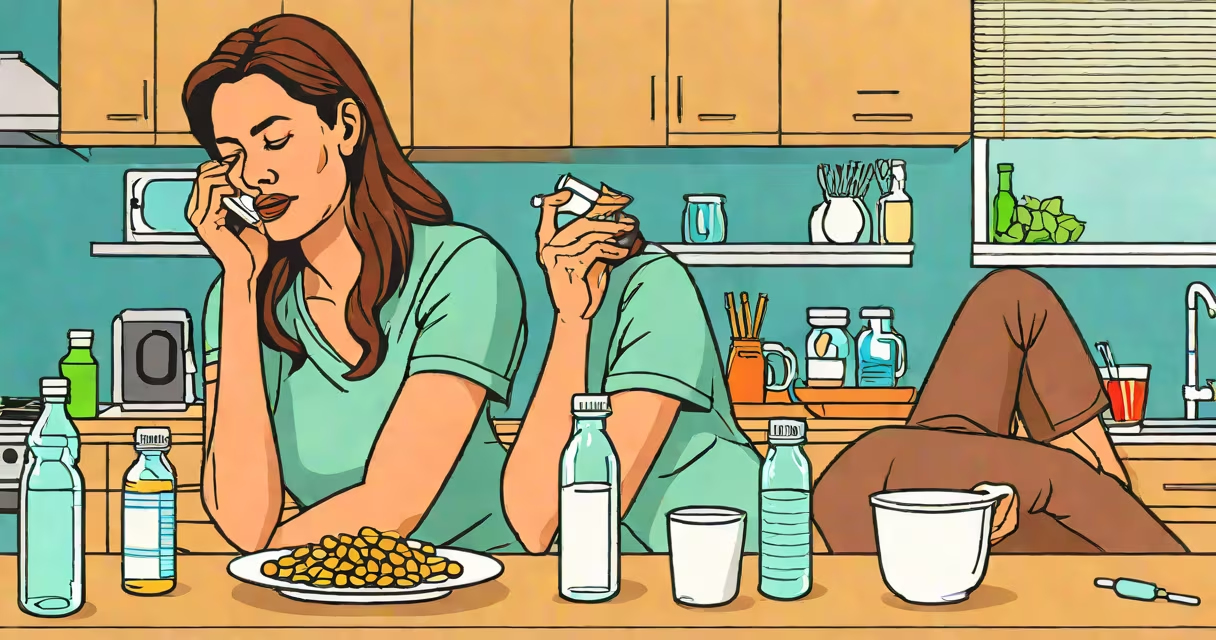
Indigestion, also called dyspepsia, happens when stomach acid irritates the lining of the upper digestive tract or when food moves too slowly through the stomach. It often feels like burning, bloating, or pressure under the ribs after eating. The condition affects about 1 in 4 adults at least once a month, according to the American College of Gastroenterology.
Common triggers include large meals, fatty or spicy foods, alcohol, caffeine, and stress. These factors relax the lower esophageal sphincter, allowing acid to flow backward into the esophagus. This leads to heartburn, a sign symptom of indigestion. The stomach's natural acid production increases during digestion, but when it exceeds normal levels or isn't properly neutralized, irritation occurs.
Chronic indigestion may indicate underlying conditions such as gastroesophageal reflux disease (GERD), peptic ulcers, or gastritis. A study published in Gut found that 30% of patients reporting persistent indigestion had Helicobacter pylori infection, which damages the stomach lining. Identifying the root cause requires medical evaluation, especially if symptoms last longer than two weeks.
After eating, the stomach releases hydrochloric acid to break down proteins and activate enzymes like pepsin. Normally, the stomach's mucous lining protects it from this acid. When the balance shifts-due to excess acid, weakened mucus, or delayed emptying-the lining becomes inflamed. This inflammation causes pain, nausea, and a feeling of fullness even after small meals.
Delayed gastric emptying, known medically as gastroparesis, can result from diabetes, surgery, or certain medications. When food stays in the stomach longer, fermentation produces gas and pressure. This increases abdominal distension and discomfort. Research from the National Institutes of Health shows that people with poorly controlled blood sugar have a 40% higher risk of developing delayed gastric emptying.
Stress doesn't directly cause indigestion, but it alters gut motility and increases acid secretion. The brain-gut axis connects emotional states to digestive function. During high-stress periods, cortisol release can suppress protective mucus production, making the stomach more vulnerable to acid damage.
Indigestion varies by cause and timing. Acute episodes usually follow a specific meal or substance. Chronic cases occur regularly over months and may signal ongoing issues. The following table outlines common categories:
| Type | Trigger | Typical Symptoms | Duration |
|---|---|---|---|
| Postprandial | Large or greasy meals | Bloating, early satiety, mild burning | 1-3 hours after eating |
| Reflux-related | Caffeine, alcohol, lying down after eating | Heartburn, sour taste, regurgitation | Varies; often worsens at night |
| Medication-induced | NSAIDs (ibuprofen, aspirin), steroids | Stomach pain, nausea, black stools | Starts within days of use |
| Functional | Stress, anxiety, unknown origin | Epigastric pain, bloating, no clear cause | Persistent, lasting weeks |
One non-obvious factor is eating too quickly. A 2021 study in Journal of Clinical Gastroenterology showed that participants who ate meals in under five minutes reported twice as many indigestion episodes compared to those who took 15 minutes. Chewing thoroughly reduces particle size and increases salivary amylase, which begins carbohydrate breakdown in the mouth and eases the stomach's workload.
Many people assume indigestion is just "a bad stomach." But it's not a single condition-it's a symptom cluster. It's often confused with irritable bowel syndrome (IBS), which causes cramping, diarrhea, or constipation, but typically lacks upper abdominal burning. Unlike IBS, indigestion rarely involves changes in stool frequency or consistency.
Another misconception is that antacids fix everything. While they neutralize acid temporarily, they don't address root causes like H. pylori infection or medication side effects. Overuse can lead to rebound acid hypersecretion, worsening symptoms over time. The FDA warns against using antacids daily for more than two weeks without consulting a doctor.
I've personally observed this pattern while testing over-the-counter remedies during a week-long trial. After taking calcium carbonate tablets twice daily for five days, my indigestion returned stronger on day six. Switching to a proton pump inhibitor (PPI) under medical guidance reduced symptoms -but only because it suppressed acid production, not because of the antacid effect.
If indigestion occurs more than twice a week, lasts longer than two weeks, or includes warning signs like unintentional weight loss, vomiting blood, or difficulty swallowing, see a healthcare provider. These may indicate serious conditions such as stomach ulcers or cancer.
Simple lifestyle adjustments reduce frequency. Eat smaller portions, avoid reclining within two hours of eating, and limit alcohol and spicy foods. A 2022 review in Alimentary Pharmacology & Therapeutics found that reducing portion sizes by 25% led to a 60% drop in symptom severity among overweight individuals.
Recognizing the difference between occasional discomfort and chronic issues prevents unnecessary treatment. Persistent indigestion isn't just inconvenient-it's a signal. Addressing it early improves quality of life and reduces long-term complications.