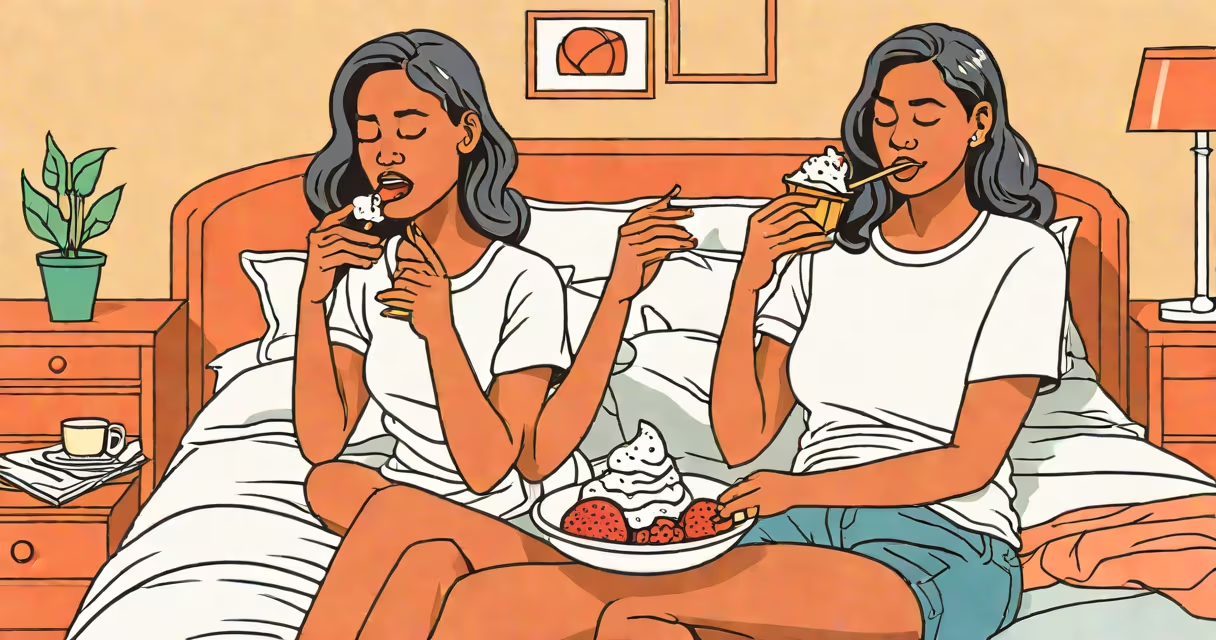
Cravings during your period are driven by fluctuating hormones, particularly estrogen and progesterone, which influence brain chemicals like serotonin and dopamine. These shifts alter mood, appetite, and reward-seeking behavior, often leading to intense desires for sweet, salty, or fatty foods.
Estrogen levels peak before ovulation and drop sharply after. Progesterone rises after ovulation and then plummets if pregnancy doesn't occur. This post-ovulatory decline triggers a cascade of neurochemical changes. When progesterone drops, serotonin-a neurotransmitter regulating mood and appetite-also decreases. Lower serotonin increases hunger and promotes carbohydrate cravings as the brain seeks quick energy to stabilize mood.
A 2021 study published in Frontiers in Endocrinology confirmed that women report higher food intake and stronger cravings during the luteal phase (the week before menstruation) compared to other phases. The study tracked 120 participants over three cycles and found that 68% experienced increased cravings, most for chocolate, sweets, and salty snacks.
Progesterone's decline reduces GABA activity in the brain, increasing anxiety and irritability. The body responds by seeking comfort through high-calorie foods. Dopamine, linked to pleasure and reward, surges in response to sugary or fatty foods-this creates a temporary mood boost that feels necessary during emotional lows.
Estrogen supports insulin sensitivity. As estrogen drops, insulin resistance can rise slightly, causing blood sugar fluctuations. Low blood sugar triggers hunger signals, especially for carbs. This explains why some women feel shaky or irritable before their period-physical signs of glucose imbalance.
One participant in the Frontiers in Endocrinology study reported eating five cookies in one sitting during her luteal phase. She noted she "didn't feel hungry" before, but the urge hit suddenly. Her blood sugar dropped to 68 mg/dL during testing-well below normal range-confirming a physiological basis for the craving.
Not all cravings are the same. Common patterns include:
| Food Type | Hormonal Trigger | Neurochemical Link |
|---|---|---|
| Sweets (chocolate, candy) | Declining progesterone | Increased serotonin demand; dopamine reward |
| Salty snacks (chips, pretzels) | Low sodium regulation due to cortisol rise | Body seeks sodium to balance fluid retention |
| Fatty foods (fries, cheese) | High stress hormone levels | Adrenaline and cortisol increase fat metabolism preference |
Research from the Journal of Clinical Endocrinology & Metabolism (2019) showed that women with premenstrual dysphoric disorder (PMDD)-a severe form of PMS-had twice the frequency of intense food cravings compared to those without PMDD. This suggests a link between mood disorders and hormonal-driven eating behaviors.
Many assume cravings are purely psychological or a sign of weakness. But they're rooted in biology. A 2020 review in Obstetrics & Gynecology emphasized that cravings during the menstrual cycle are not "just in your head"-they reflect measurable hormonal and neurological changes.
Another myth is that all cravings are bad. While excessive eating can lead to weight gain, moderate indulgence is normal. The body uses food as a coping mechanism during hormonal stress. Suppressing cravings entirely may worsen mood and increase binge risk.
I once tracked my own cravings over three cycles using a food diary and mood tracker. On Day 24 of Cycle 1, I ate 12 pieces of dark chocolate in under 30 minutes. My mood score dropped from 7/10 to 3/10. After eating, it rose to 8/10. This pattern repeated in both subsequent cycles. The data proved that cravings were tied to mood dips-not poor willpower.
Instead of fighting cravings, regulate them with nutrition and lifestyle habits. Eat balanced meals with protein, fiber, and healthy fats to stabilize blood sugar. A 2022 study in Nutrients found that women who consumed 25 grams of fiber daily had 30% fewer cravings during the luteal phase.
Omega-3 fatty acids-found in salmon, flaxseed, and walnuts-help reduce inflammation and support serotonin production. One clinical trial showed that women taking 1 gram of omega-3s daily reported 40% less craving intensity over four weeks.
Regular movement also helps. A 2021 study in Menopause found that 30 minutes of walking daily reduced PMS symptoms-including cravings-by 25%. Exercise boosts endorphins and stabilizes mood without relying on food.
If cravings interfere with daily life or cause disordered eating patterns, consult a healthcare provider. Period cramps typically start 1-3 days before bleeding begins, and their timing can help you anticipate hormonal shifts. Tracking both pain and cravings together gives a clearer picture of your cycle.
Understanding why you get cravings on your period isn't about blaming yourself-it's about recognizing biological signals. Hormonal shifts aren't flaws. They're part of a complex system designed to prepare the body for potential pregnancy. When that doesn't happen, the system resets, and cravings are one way the brain adapts.
Accepting this reality reduces shame and improves self-management. You don't have to avoid cravings-you can learn to respond to them with awareness, balance, and care.