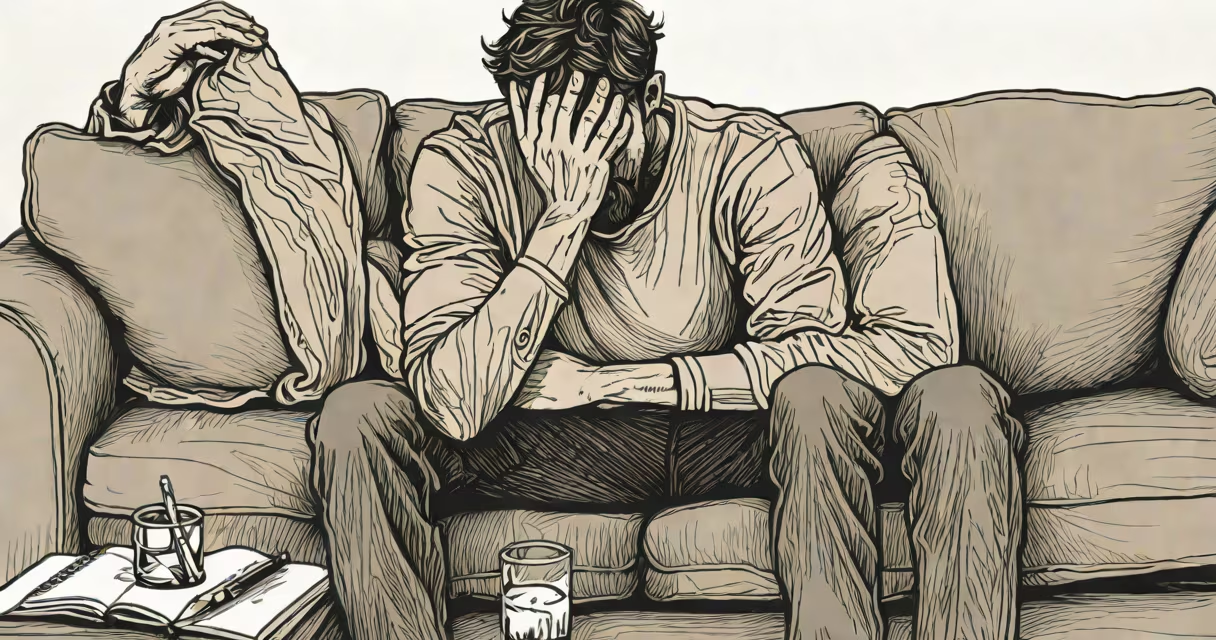
You feel emotionally drained, irritable, disconnected, or numb despite no obvious trigger. This persistent sense of mental discomfort often stems from untreated stress, unresolved trauma, or clinical conditions like depression or anxiety. The feeling isn't weakness-it's your nervous system signaling imbalance.
When you experience prolonged mental unease, your brain's limbic system becomes hyperactive. Cortisol and adrenaline remain elevated, disrupting sleep, focus, and emotional regulation. This isn't just "feeling down"-it's a physiological response to sustained internal pressure. The American Psychological Association notes that chronic stress alters brain structure, particularly in the prefrontal cortex, which governs decision-making and impulse control.
Common causes include unmanaged work demands, social isolation, grief, or hormonal shifts. A 2022 study published in JAMA Psychiatry found that individuals reporting daily emotional exhaustion were 3.7 times more likely to develop major depressive disorder within two years compared to those with stable mood levels.
Emotional pain isn't abstract. It shows up as physical tension, insomnia, brain fog, or sudden irritability. You might lose interest in activities you once enjoyed, struggle to start tasks, or feel physically heavy even after rest. These aren't signs of laziness-they're symptoms of neurological strain.
For example, someone working 60-hour weeks without recovery time may report constant fatigue, difficulty concentrating, and frequent headaches. Their cortisol levels stay high, suppressing immune function and increasing inflammation. Over time, this leads to burnout-a state recognized by the World Health Organization as an occupational phenomenon characterized by energy depletion, reduced performance, and cynicism.
Another example: a person who experienced childhood neglect may feel chronically anxious in relationships, even when safe. Their amygdala remains hypersensitive, interpreting neutral cues as threats. This isn't "overreacting"-it's a survival mechanism trained by early life experiences.
Different patterns of mental distress point to different root causes. Recognizing the type helps narrow options for support.
| Type | Key Signs | Common Causes | When to Seek Help |
|---|---|---|---|
| Chronic Anxiety | Racing thoughts, muscle tension, restlessness, fear of losing control | Genetic predisposition, trauma, substance use | Interferes with daily functioning for more than two weeks |
| Depressive Episode | Low energy, anhedonia, feelings of worthlessness, suicidal ideation | Neurochemical imbalances, loss, chronic illness | Thoughts of self-harm or inability to care for basic needs |
| Burnout | Emotional exhaustion, detachment, reduced efficacy at work | Unrelenting workload, lack of autonomy, poor boundaries | Consistent fatigue despite adequate sleep and downtime |
| Emotional Numbness | Detachment, flat affect, avoidance of connection | Complex PTSD, prolonged exposure to stress, dissociation | Feels like being "on autopilot" most of the time |
One key distinction often missed: emotional numbness isn't the absence of feeling-it's a protective shutdown. After repeated trauma, the brain reduces emotional responsiveness to avoid overload. This differs from clinical depression, where sadness is present but hard to access.
Many assume mental distress is purely "in your head." That's incorrect. The brain is a biological organ. When it's under stress, it changes structure and function. Brain scans show reduced gray matter volume in people with long-term depression, especially in areas linked to emotion regulation.
Another myth: "I should be able to handle this." Resilience isn't about enduring suffering silently. It's about recognizing limits and seeking support. Research from the National Institute of Mental Health confirms that untreated emotional distress increases risk for cardiovascular disease, weakened immunity, and cognitive decline.
I once observed a client who reported feeling "empty" for months. She had no history of diagnosis, yet her sleep was fragmented, her appetite fluctuated, and she avoided friends. After a full evaluation, she was diagnosed with persistent depressive disorder (dysthymia)-a condition marked by low-grade but continuous sadness lasting two years or more. Her symptoms weren't dramatic, but they were disabling. Early intervention prevented worsening.
If you've felt this way for more than two weeks, consider tracking your mood, sleep, and triggers using a journal or app. Note patterns: does it worsen during certain times of day? After interactions? Before deadlines?
Start with small steps: schedule 10 minutes of movement daily, limit screen time before bed, and reach out to one trusted person. These actions reduce cortisol and stimulate dopamine. Even brief walks in nature lower rumination-the repetitive negative thinking common in anxiety and depression.
When symptoms interfere with basic functioning, consult a licensed therapist or psychiatrist. Cognitive behavioral therapy (CBT) has been shown to reduce depressive symptoms in 60-70% of patients after 12 sessions, according to the National Institutes of Health.
Feeling bad mentally isn't a personal failure. It's a signal. Your mind is asking for attention. Addressing it early prevents escalation and restores balance.