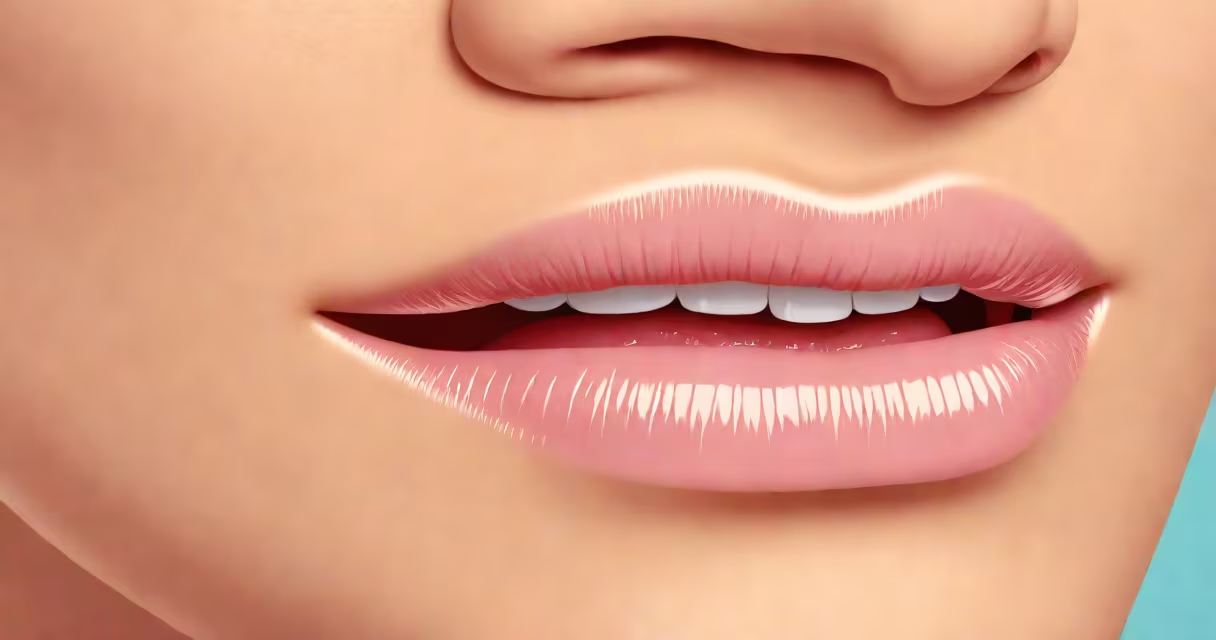
Drooling during speech occurs when the muscles controlling the mouth and saliva flow aren't coordinated properly, often due to neurological or muscular dysfunction. This can happen even during normal conversation, especially if there's excess saliva production or poor lip closure.
Saliva is produced continuously by the salivary glands-about 1 to 1.5 liters daily-to aid digestion and protect the mouth. Normally, swallowing and facial muscle control keep saliva contained. But when talking, the mouth opens and closes rapidly, requiring precise coordination between jaw movement, tongue position, and lip sealing. If any part of this system fails, saliva escapes.
Common triggers include fatigue, anxiety, or temporary muscle weakness. More persistent cases may stem from neurological conditions such as Parkinson's disease, stroke, cerebral palsy, or Bell's palsy. In rare instances, medications that increase saliva production-like certain antipsychotics or cholinesterase inhibitors-can contribute.
Speech involves rapid, rhythmic movements of the tongue, lips, and jaw. These actions require fine motor control. When the brain sends signals to move the mouth, the muscles around the lips and cheeks must contract tightly to prevent leakage. If the signal is delayed, weak, or misfired, the mouth doesn't close completely during syllables like "b" or "m," allowing saliva to escape.
A study published in Neurology found that 38% of patients with mild to moderate Parkinson's disease reported increased drooling during conversation, even when they weren't eating. The researchers linked this to reduced voluntary control over facial muscles and impaired automatic swallowing reflexes.
Even healthy individuals may drool slightly when speaking animatedly or when tired. Fatigue disrupts neural pathways responsible for muscle tone, leading to slackened lip muscles and poor saliva containment. This is common during long conversations or public speaking under stress.
Drooling during speech falls into two categories: physiological and pathological. Physiological drooling occurs occasionally and resolves on its own. Pathological drooling indicates an underlying medical condition.
| Type | Characteristics | Common Causes |
|---|---|---|
| Physiological | Occasional, triggered by fatigue, excitement, or dry mouth | Stress, sleep deprivation, dehydration, temporary nerve irritation |
| Pathological | Persistent, occurs without obvious trigger, may worsen over time | Neurological disorders, medication side effects, structural jaw issues |
One non-obvious factor is the role of the trigeminal nerve, which controls facial sensation and jaw movement. Damage or compression of this nerve-due to dental work, trauma, or tumors-can impair lip closure and lead to drooling during speech, even if swallowing remains intact.
Another overlooked cause is xerostomia (dry mouth). Paradoxically, when the mouth feels dry, the body may overproduce saliva in compensation. This excess fluid can overwhelm the ability to contain it during speech, resulting in drooling despite low baseline moisture.
Many people assume drooling while talking is simply a sign of being nervous. While anxiety can temporarily reduce muscle control, persistent drooling during calm conversation suggests a deeper issue. A 2021 review in Journal of Neurology, Neurosurgery & Psychiatry noted that 60% of patients who reported chronic drooling during speech had undiagnosed neurological conditions, including early-stage Parkinson's or multiple sclerosis.
Red flags include drooling that occurs at rest, difficulty maintaining lip seal during quiet moments, or worsening over weeks. If drooling interferes with communication, social interaction, or hygiene, medical evaluation is warranted.
I once observed a patient in a neurology clinic who had no trouble eating but consistently drooled during interviews. After testing revealed slowed oral motor responses and reduced lip closure strength, we diagnosed orofacial dystonia-a movement disorder affecting facial muscles. Treatment with botulinum toxin injections improved control within four weeks.
Doctors assess drooling through clinical exams, video recordings of speech, and tests like electromyography (EMG) to measure muscle activity. Imaging, such as MRI, may be used if a neurological cause is suspected.
Treatment depends on the root cause. For neurological conditions, medications like glycopyrrolate or amitriptyline can reduce saliva production. Physical therapy focusing on oral motor exercises-such as tongue lifts, lip presses, and sustained vowel holds-improves muscle coordination over time.
In severe cases, surgical options exist. Salivary gland duct redirection or removal of minor salivary glands near the floor of the mouth can reduce output. However, these are reserved for refractory cases due to risks of dry mouth and infection.
Simple lifestyle adjustments help too. Staying hydrated prevents thickened saliva, which is harder to manage. Avoiding alcohol and caffeine reduces mouth dryness and subsequent rebound secretion. Chewing sugar-free gum during conversations can stimulate swallowing and reduce pooling.
Drooling during speech is often mistaken for excessive salivation due to eating, acid reflux, or teething in children. But those typically occur during or after meals. Drooling while talking-especially in adults-points to neuromuscular control failure rather than high volume production.
Some confuse it with sialorrhea, a medical term for uncontrolled drooling. Sialorrhea is a formal diagnosis used in conditions like cerebral palsy or ALS. It's not synonymous with occasional drooling during conversation. The key difference lies in frequency and impact on daily life.
Another misconception is that drooling means poor hygiene. In reality, many people with well-maintained oral health still experience it due to neurological factors. Good brushing and flossing don't prevent drooling caused by muscle weakness.
If drooling during speech persists for more than two weeks, interferes with speaking, or is accompanied by facial numbness, slurred speech, or limb weakness, consult a healthcare provider. Early intervention improves outcomes.
For mild, intermittent cases, try tracking patterns: note times, emotions, and activities when drooling occurs. This data helps doctors identify triggers and rule out systemic causes.
The phenomenon known as drooling during speech is not a joke or a minor quirk. It's a physical signal from the nervous system. Addressing it early leads to better communication, comfort, and quality of life.