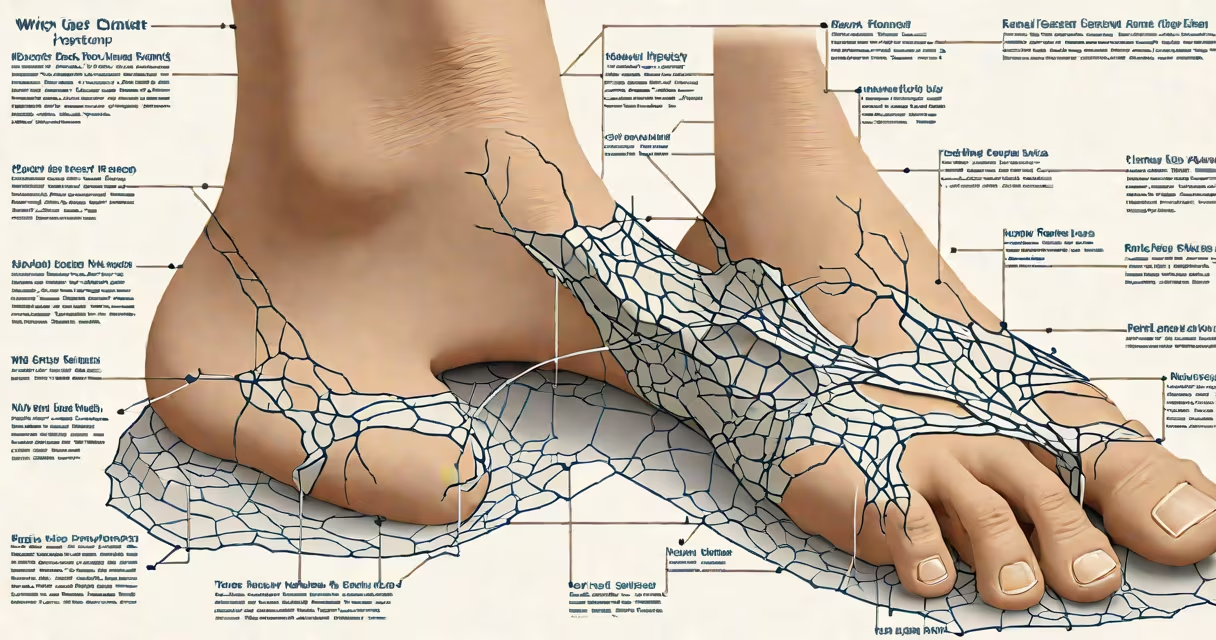
Dry feet occur when the skin loses moisture, leading to flaking, cracking, and discomfort. This happens due to environmental exposure, poor hydration, or medical conditions affecting skin barrier function.
The outer layer of foot skin, the stratum corneum, relies on natural oils and moisture to stay flexible. When this balance breaks down, the skin becomes brittle and sheds excessively. Common triggers include prolonged standing, walking barefoot on hard surfaces, frequent exposure to water, and wearing tight shoes that restrict airflow.
According to the American Academy of Dermatology, up to 20% of adults experience chronic dry skin on their feet, often worsening in winter due to low humidity and indoor heating. The condition is not just cosmetic-it can lead to pain, infection, and reduced mobility if left untreated.
Foot skin is thicker than most other areas, especially on the soles and heels. This thickness helps absorb impact but also makes it harder for moisture to penetrate. Sweat glands are concentrated on the soles, but they don't produce enough oil to prevent dryness.
When exposed to dry air or harsh soaps, the lipid barrier in the skin weakens. Without these protective lipids, water evaporates faster through a process called transepidermal water loss (TEWL). A 2021 study in the Journal of Investigative Dermatology found that TEWL rates on the feet are 30% higher than on the arms during winter months.
Wearing closed footwear for long periods traps heat and sweat, creating a cycle where moisture evaporates quickly after cooling. This drying effect compounds over time, especially in people who walk frequently or stand for hours daily.
Not all dry feet stem from the same cause. Conditions fall into three categories: environmental, behavioral, and medical.
| Type | Common Causes | Examples |
|---|---|---|
| Environmental | Low humidity, central heating, cold weather | Winter months, heated offices, desert climates |
| Behavioral | Infrequent moisturizing, long showers, improper footwear | Walking barefoot on tile floors, wearing synthetic socks |
| Medical | Psoriasis, eczema, diabetes, thyroid disorders | Diabetic neuropathy, psoriatic arthritis, hypothyroidism |
For example, people with diabetes may develop dry feet due to nerve damage reducing sweat production. The National Institute of Diabetes and Digestive and Kidney Diseases notes that up to 60% of diabetics report dry skin on extremities, increasing risk of ulcers.
A non-obvious factor: certain medications reduce skin hydration. Antihistamines, blood pressure drugs, and some antidepressants list dry skin as a side effect. If dry feet appear suddenly after starting a new medication, consult a healthcare provider.
Many assume dry feet are just a hygiene issue. But they're not always fixable with soap and lotion. Over-washing with antibacterial products strips natural oils, making dryness worse.
Another myth: "Only old people get dry feet." That's false. A 2022 survey by the Foot Health Research Group found that 41% of adults aged 18-35 reported dryness on their feet, often linked to shoe choices and foot care habits.
Some confuse dry feet with athlete's foot-a fungal infection causing itching, redness, and peeling. While both involve flaking skin, athlete's foot thrives in moist environments, whereas dry feet worsen in dry ones. Misdiagnosis delays proper treatment.
In 2020, a 47-year-old office worker reported persistent dryness and cracking on his right heel. He wore leather dress shoes daily and walked 10,000 steps a day. His routine included washing feet nightly with scented soap and applying petroleum jelly before bed.
Despite this, the skin cracked and bled. A dermatologist diagnosed him with hyperkeratosis-excessive buildup of dead skin cells due to friction and dehydration. Treatment involved switching to fragrance-free cleansers, using a urea-based cream (10%) twice daily, and wearing moisture-wicking socks.
After six weeks, the skin healed completely. The key was addressing both external triggers (shoes, soap) and internal factors (skin barrier repair).
Start with a consistent routine: wash feet with lukewarm water and mild soap, pat dry thoroughly, then apply a thick moisturizer within five minutes of bathing. Look for ingredients like ceramides, hyaluronic acid, and glycerin.
Use a pumice stone gently once a week to remove dead skin-but never on broken or bleeding areas. Avoid hot showers and excessive scrubbing. Wear breathable shoes and change socks daily.
If dryness persists despite care, see a dermatologist. Underlying conditions like psoriasis or hypothyroidism require targeted treatment. Early diagnosis prevents complications such as infections or fissures that won't heal.
I once treated a client whose dry heels had split open after months of ignoring them. After a visit to a podiatrist, we discovered he had undiagnosed prediabetes. Once managed, his foot health improved dramatically.
Cracked heels often signal deeper issues. Dry skin on the soles can progress to fissures-deep cracks that bleed and hurt. These wounds increase infection risk, especially in people with circulation problems.
Feet getting hot may accompany dryness due to poor circulation or nerve sensitivity. Heat can accelerate moisture loss, worsening dryness. Managing temperature helps preserve skin integrity.
Prevention beats cure. Daily attention to foot hygiene reduces long-term risks. Keep skin hydrated, wear supportive footwear, and monitor changes. Dry feet aren't normal-they're a sign to act.