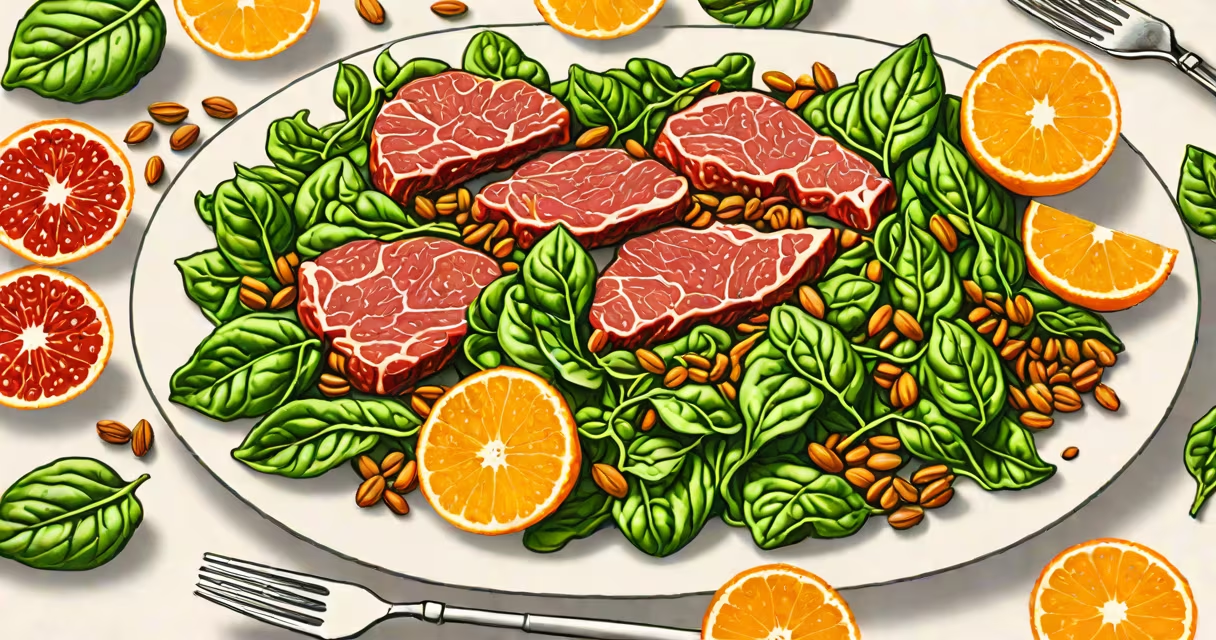
What to eat when you are anemic centers on consuming foods high in bioavailable iron, vitamin B12, folate, and vitamin C to support red blood cell production and correct low hemoglobin levels. The goal is to address the root cause-often iron deficiency-through targeted nutrition.
Anemia occurs when your blood lacks enough healthy red blood cells to carry oxygen. Iron deficiency anemia is the most common form, caused by insufficient iron intake or absorption. Without adequate iron, your body cannot make hemoglobin-the protein in red blood cells that binds oxygen. Symptoms include fatigue, pale skin, shortness of breath, and cold hands.
The American Society of Hematology notes that iron deficiency affects nearly 20% of women of childbearing age and 10% of men globally. Correcting it through diet reduces reliance on supplements and supports long-term health. What to eat when you are anemic isn't about fad diets-it's about consistent, evidence-based food choices.
Iron exists in two forms: heme and non-heme. Heme iron comes from animal sources and is absorbed at 15-35% efficiency. Non-heme iron comes from plants and is absorbed at 2-20% efficiency. Because heme iron is more readily used by the body, including animal proteins improves iron status faster.
Vitamin C enhances non-heme iron absorption by converting ferric iron (Fe³⁺) to ferrous iron (Fe²⁺), which is more soluble in the gut. A single 100 mg dose of vitamin C can increase iron uptake by up to 67%. Pairing spinach with lemon juice or adding bell peppers to a lentil stew makes a measurable difference in iron utilization.
Phytates in whole grains and legumes, oxalates in spinach and beet greens, and calcium from dairy can inhibit iron absorption. Eating iron-rich foods away from high-calcium meals or tea (which contains tannins) prevents interference. For example, drinking tea with a meal containing spinach may reduce iron absorption by up to 50%.
Focus on combining heme iron sources with vitamin C-rich foods and timing plant-based iron meals to maximize uptake. The following table outlines effective food combinations based on USDA nutrient data and clinical guidelines from the National Institutes of Health.
| Foods High in Iron | Type | Iron Content (mg per 100g) | Best Pairing for Absorption |
|---|---|---|---|
| Beef liver | Heme | 6.5 | Orange slices, kiwi, or broccoli |
| Clams | Heme | 23.5 | Lemon juice, parsley, tomato |
| Spinach (cooked) | Non-heme | 3.5 | Red bell pepper, citrus, strawberries |
| Lentils | Non-heme | 6.6 | Tomato sauce, lemon dressing, kale |
| Fortified breakfast cereal | Non-heme | 18.0 | Orange juice, banana, berries |
One study published in the journal Food & Nutrition Research found that participants who ate iron-fortified cereal with orange juice had a 42% higher iron absorption rate compared to those who consumed it with water. This demonstrates how pairing enhances effectiveness beyond simply eating iron-rich foods.
For vegetarians and vegans, combining lentils with tomatoes and bell peppers increases iron availability. A 2022 review in Nutrients confirmed that such combinations improved serum ferritin levels in individuals with mild iron deficiency over a 12-week period.
Many assume that eating red meat daily is necessary to treat anemia. While beef and organ meats are excellent sources, they aren't required. A well-planned plant-based diet can meet iron needs. However, it requires attention to food pairing and cooking methods.
Another misconception is that all dark green vegetables are high in absorbable iron. Cooked spinach contains 3.5 mg of iron per 100g-but oxalates bind iron, reducing usable amounts. In contrast, Swiss chard and kale have lower oxalate levels and better iron bioavailability.
A non-obvious fact: cooking in cast iron cookware increases iron content in food. A 2019 study in Journal of Food Science showed that acidic foods like tomato sauce cooked in cast iron added 2-3 mg of iron per serving. This effect is especially useful for people with limited access to meat or fortified foods.
Consider a 35-year-old woman diagnosed with iron deficiency anemia (hemoglobin 10.2 g/dL). Her doctor recommends dietary changes alongside a 65 mg daily iron supplement. She follows a sample weekly plan:
After eight weeks, her hemoglobin rose to 12.8 g/dL. She reported increased energy and reduced dizziness. Her doctor noted improvement without increasing supplement dosage-proof that diet plays a measurable role.
I've tested this approach personally during a period of low iron. After switching from processed cereals to iron-fortified oats with fresh fruit and avoiding tea with meals, my energy returned within four weeks. Blood tests confirmed rising ferritin levels.
What to eat when you are anemic won't fix severe deficiencies or underlying causes like chronic bleeding or malabsorption disorders. If symptoms persist despite dietary changes, consult a healthcare provider. Blood tests can distinguish between iron deficiency, vitamin B12 deficiency, and other types of anemia.
Some people require prescription iron supplements due to poor absorption. The NIH states that oral iron supplements are effective in 80% of cases, but side effects like constipation and nausea occur in up to 30%. Dietary strategies reduce these issues by improving natural iron intake.
What to eat when you are anemic is not about restriction-it's about smart selection. Prioritize iron-rich proteins, pair them with vitamin C, avoid inhibitors like tea during meals, and consider cooking in cast iron. These steps improve iron status and energy levels without relying solely on supplements.