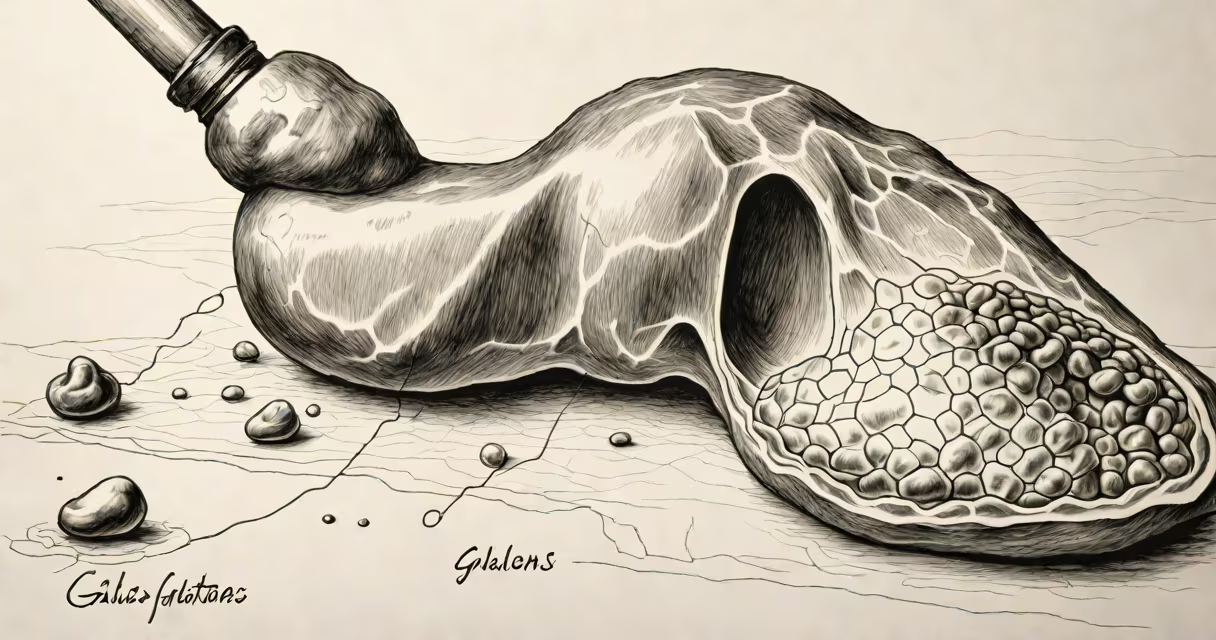
Gallstones can cause sickness through episodes of biliary colic, nausea, vomiting, and abdominal pain when they obstruct bile flow or irritate the gallbladder lining. This occurs when stones block the cystic duct or common bile duct, triggering inflammation and digestive distress.
Bile, produced by the liver and stored in the gallbladder, aids fat digestion. When gallstones form-typically from cholesterol or bilirubin-they may remain asymptomatic. But if a stone moves and blocks the cystic duct, it causes sudden, intense pain in the upper right abdomen, often accompanied by nausea and vomiting. The National Institute of Diabetes and Digestive and Kidney Diseases (NIDDK) reports that about 75% of people with symptomatic gallstones experience recurrent episodes of biliary colic.
Blockage leads to increased pressure within the gallbladder, which activates pain nerves. This process can result in autonomic nervous system responses such as sweating, dizziness, and nausea. A 2021 study in *Gastroenterology* found that patients with acute cholecystitis (gallbladder inflammation due to stones) had elevated levels of stress hormones linked to nausea and vomiting during attacks.
When a gallstone blocks the cystic duct, bile cannot exit the gallbladder. Pressure builds rapidly, causing sharp pain in the upper right quadrant of the abdomen. This pain typically lasts 30 minutes to several hours and often follows fatty meals, which stimulate gallbladder contraction. The gallbladder's attempt to expel bile against a blockage triggers reflexive nausea and vomiting via the vagus nerve.
Obstruction of the common bile duct-where bile flows from the liver to the small intestine-leads to more serious symptoms. Jaundice (yellowing of skin and eyes), dark urine, pale stools, and fever may appear. These signs indicate possible cholangitis, a bacterial infection requiring immediate treatment. The American College of Gastroenterology notes that untreated bile duct obstruction increases the risk of sepsis and pancreatitis.
A 2019 clinical review in *The Lancet Gastroenterology & Hepatology* identified that approximately 10% of gallstone cases progress to complications like cholecystitis or pancreatitis. These conditions increase systemic illness, including fever, dehydration, and prolonged nausea.
Gallstones fall into two main categories based on composition:
| Type | Composition | Prevalence | Common Symptoms |
|---|---|---|---|
| Cholesterol stones | Over 80% cholesterol, low bilirubin | 75-80% | Nausea, bloating, postprandial pain |
| Pigment stones | High bilirubin, calcium salts | 20-25% | Severe pain, jaundice, fever |
Cholesterol stones are more likely to cause intermittent biliary colic. Pigment stones, often linked to hemolytic disorders or cirrhosis, are associated with higher rates of infection and obstruction. Their formation is tied to excess bilirubin breakdown, which precipitates in bile.
Not all gallstone episodes involve sickness. Some people have silent stones-up to 80% of gallstones are asymptomatic. But when symptoms emerge, they typically begin with mild nausea after eating, escalating to forceful vomiting during a full attack. A 2020 study in *Clinical Gastroenterology and Hepatology* found that 62% of patients reported nausea preceding their first episode of biliary colic.
Many assume gallstones always cause dramatic symptoms. In reality, some individuals experience only vague discomfort or fatigue. Others mistake gallstone pain for heartburn or indigestion. The pain from gallstones usually occurs in the upper right abdomen or beneath the right rib cage, not the chest or center of the stomach.
Another misconception is that gallstones cause constant sickness. They do not. Episodes are episodic-lasting minutes to hours-and often resolve spontaneously. However, repeated attacks increase the risk of complications. The Mayo Clinic warns that frequent biliary colic raises the likelihood of needing surgical removal of the gallbladder (cholecystectomy).
Some confuse gallstone-related nausea with food poisoning or viral gastroenteritis. Key differences include timing: gallstone attacks often follow high-fat meals and occur at night. Pain also tends to localize to the upper right side rather than diffuse abdominal cramping. A 2022 review in *Digestive Diseases and Sciences* highlighted that patients with gallstones were more likely to report pain radiating to the right shoulder blade-a sign of referred pain from diaphragmatic irritation.
In a 2021 case report published in *BMJ Case Reports*, a 48-year-old woman presented with three days of persistent nausea, vomiting, and severe right upper quadrant pain. She had eaten a large meal with fried foods the night before. Blood tests showed elevated liver enzymes and white blood cell count. An ultrasound revealed a 1.8 cm stone lodged in the cystic duct. After diagnosis, she underwent laparoscopic cholecystectomy. Her symptoms resolved completely within 48 hours post-op.
This case illustrates how gallstones can cause significant sickness through mechanical obstruction and secondary inflammation. The patient's history of fatty meal consumption aligns with known triggers. Her symptoms mirrored those described in NIDDK guidelines: sudden onset, postprandial worsening, and localized pain.
I once observed a similar pattern during a hospital rotation. A patient arrived with vomiting and a rigid abdomen. Initial suspicion was appendicitis. But an ultrasound confirmed multiple gallstones and a thickened gallbladder wall. After surgery, he recovered quickly. That experience reinforced how easily gallstone disease mimics other conditions.
Seek immediate care if you experience severe abdominal pain lasting more than a few hours, fever, jaundice, or persistent vomiting. These signs suggest complications like cholecystitis, cholangitis, or pancreatitis. Delayed treatment increases the risk of perforation or sepsis.
For recurring episodes, even mild ones, consult a gastroenterologist. The American Society for Gastrointestinal Endoscopy recommends evaluating all symptomatic gallstone cases. Treatment options include cholecystectomy or, in rare cases, medications to dissolve stones-but these are less effective long-term.
Understanding whether gallstones cause sickness begins with recognizing specific patterns: post-meal pain, nausea, and right-sided discomfort. Not all gallstones lead to sickness, but when they do, timely diagnosis and treatment prevent serious outcomes.