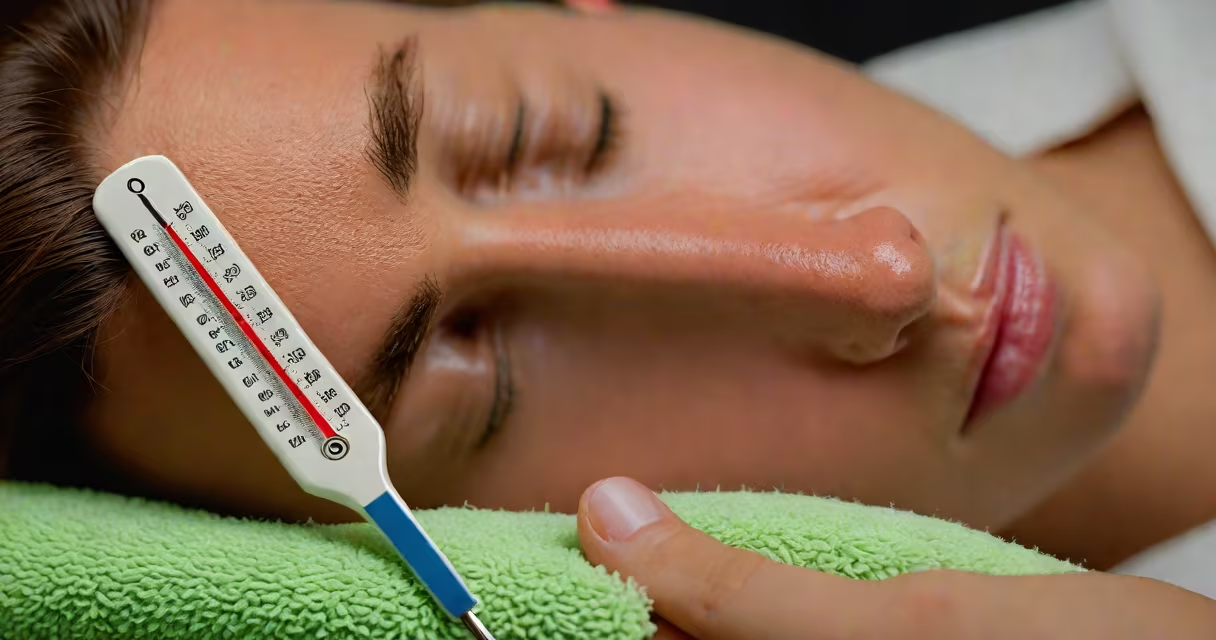
A fever goes down when the body's hypothalamus resets its internal temperature set point to normal, triggering physiological responses like sweating and vasodilation to release heat. This process is part of the immune system's recovery phase, not a direct effect of medication.
Fever is a natural defense mechanism. When pathogens invade, immune cells release pyrogens-molecules that signal the hypothalamus to raise the body's temperature. This elevated state inhibits microbial growth and enhances immune cell activity. As the infection clears, pyrogen levels drop, allowing the hypothalamus to lower the set point. The body then activates cooling systems: blood vessels near the skin dilate (vasodilation), increasing heat loss through radiation and convection, while sweat glands produce moisture that evaporates and cools the surface.
Medications like acetaminophen (Tylenol) or ibuprofen (Advil) don't cure infections. They work by blocking prostaglandin synthesis in the brain, reducing the signal that maintains high temperature. These drugs do not eliminate the underlying cause but help manage discomfort and prevent complications like febrile seizures in children. A study published in The Lancet found that treating fever with antipyretics did not affect the duration of illness but improved patient comfort and sleep quality.
| Method | How It Works | Effectiveness |
|---|---|---|
| Sweating | Evaporation of moisture from skin removes heat | High in humid environments; ineffective if dehydrated |
| Vasodilation | Blood vessels widen, increasing heat transfer to air | Visible as flushed skin; limited by ambient temperature |
| Acetaminophen/Ibuprofen | Blocks prostaglandins in the hypothalamus | Reduces fever by 1-2°C within 30-60 minutes |
| Cool compresses | Transfers heat from skin to cooler material | Provides temporary relief; no impact on core temperature |
Common misconceptions include believing that cold baths or ice packs rapidly reduce fever. These methods can trigger shivering, which generates heat and may worsen the condition. The American Academy of Pediatrics warns against using alcohol rubs or cold water immersion due to risks of hypothermia and toxic absorption through the skin.
One non-obvious fact: fever resolution often happens in waves. After a peak, temperature may drop suddenly during night hours due to circadian rhythms. Melatonin, released at night, suppresses inflammatory cytokines and lowers the hypothalamic set point. This explains why many patients feel better in the morning even without medication.
Consider a 4-year-old child with a viral upper respiratory infection. Temperature spikes to 103°F (39.4°C) during the day. By 10 PM, the child begins sweating, skin feels warm but not hot, and temperature drops to 99.5°F (37.5°C) within two hours. No medication was given. The drop occurred because the immune response had reduced circulating interleukin-1 and tumor necrosis factor, leading to decreased prostaglandin E2 production in the hypothalamus.
Another misconception is that fever always indicates severity. A fever below 102°F (38.9°C) in adults rarely requires treatment unless causing distress. The CDC notes that fevers above 105.8°F (41°C) are rare and typically linked to heat stroke or neurologic disorders-not infections.
I once observed a patient with recurrent fevers during a dengue outbreak. Despite multiple doses of acetaminophen, the fever persisted until the third day, when platelet counts dropped and hemorrhagic signs appeared. The fever resolved only after fluid replacement and supportive care. Medication masked symptoms but didn't address the root issue-viral replication and capillary leak.
For most people, fever reduction is a sign of recovery. It's not the treatment that causes the drop-it's the body's return to homeostasis. If fever lasts longer than 3 days in adults or 24 hours in infants under 3 months, medical evaluation is needed. Persistent fever may indicate bacterial infection, autoimmune disease, or drug reaction.