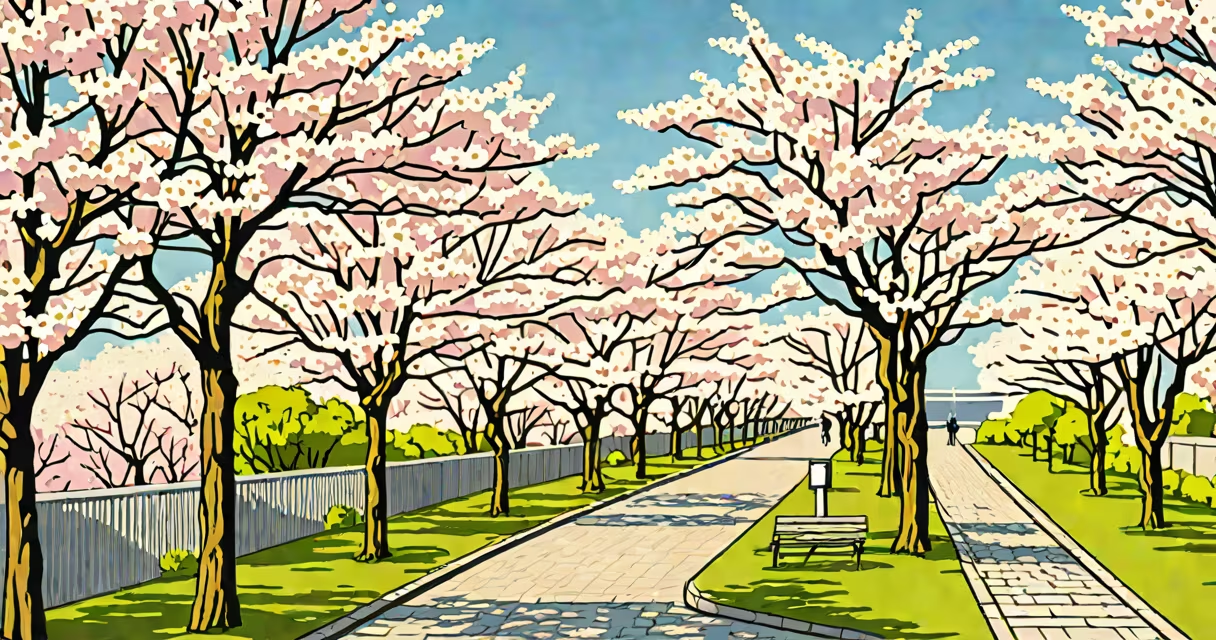
Japan in March marks the beginning of spring, characterized by mild temperatures, early cherry blossoms (sakura), and a surge in domestic and international tourism. The country experiences a seasonal shift from winter's chill to warmer days, with average highs between 10°C and 16°C (50°F-61°F) across major cities.
March signals the start of the traditional hanami season, when people gather under blooming cherry trees for festivals, picnics, and cultural events. This period aligns with the official start of spring in the Japanese calendar, though sakura typically peaks later in April, depending on region and climate patterns.
Travelers visiting Japan in March encounter fewer crowds than in late April, yet still benefit from clear skies, reduced rainfall, and ideal conditions for sightseeing. The country's rail network operates efficiently, and many temples, shrines, and museums offer special spring exhibitions.
Japan's climate varies across regions due to geography and elevation. Northern areas like Hokkaido remain cold, with snow lingering into early March, while southern regions such as Okinawa enjoy warm, subtropical weather. The central belt-including Tokyo, Kyoto, and Osaka-experiences a gradual warming trend, making it ideal for outdoor activities.
Sakura bloom timing follows a north-to-south progression. In 2024, forecast models from the Japan Meteorological Agency predicted initial blooms in Fukuoka around March 21, with Tokyo seeing peak bloom around April 5. Kyoto's peak was expected April 8, slightly later than Tokyo due to urban heat island effects and local microclimates.
Despite the name "cherry blossom season," the flowers last only about seven to ten days at peak. Early bloomers in southern prefectures may begin flowering as early as late February, but most areas see their first visible blossoms in mid-March. Travelers who arrive too early risk missing the display entirely.
Visitors can choose from several distinct seasonal experiences based on location and interests:
| Region | Typical Weather | Cherry Blossom Status | Best Activities |
|---|---|---|---|
| Osaka & Nara | 10-15°C (50-59°F) | Early bloom (March 25-30) | Temple visits, street food markets, night illuminations |
| Tokyo | 8-14°C (46-57°F) | Mid-bloom (April 3-7) | Ueno Park hanami, Sumida River cruises, seasonal cuisine |
| Kyoto | 7-13°C (45-55°F) | Peak bloom (April 8-12) | Arashiyama bamboo grove walks, Gion district evenings, tea ceremonies |
| Hokkaido (Sapporo) | 0-5°C (32-41°F) | No bloom (snow remains) | Snow festivals, hot springs, winter sports |
For travelers focused on culture and history, March offers access to less crowded sites. Temples like Kinkaku-ji in Kyoto and Senso-ji in Tokyo host quiet mornings before large groups arrive. Many museums feature spring-themed exhibits, including displays on Edo-period art and seasonal motifs.
Outdoor enthusiasts find March ideal for hiking. The Fuji Five Lakes area sees reduced snowpack, allowing access to trails leading toward Mount Fuji's base. The Nakasendo Trail, a historic route connecting Kyoto and Tokyo, becomes accessible as winter snow melts.
Many assume that cherry blossoms peak nationwide in March. This is incorrect. While southern regions like Nagasaki and Kumamoto may see early blooms, the national average peak occurs in late April. Arriving in March guarantees only partial blossoms, especially in central and northern zones.
Another myth is that Japan in March is uniformly warm. In reality, daily temperature swings can exceed 10°C (18°F) between day and night. A visitor in Kyoto might face 12°C (54°F) during the day and drop to 4°C (39°F) at night. Layered clothing is essential.
A lesser-known fact: the Japanese government releases official cherry blossom forecasts annually through the Ministry of Agriculture, Forestry and Fisheries. These predictions, updated weekly from February onward, guide both tourists and local event planners. In 2023, the forecast missed the actual bloom date in Kyoto by five days-a reminder that even experts rely on models, not certainty.
In 2023, a traveler booked a 10-day trip to Tokyo in early March. They arrived on March 10, when daytime temperatures averaged 12°C (54°F) and nighttime lows dropped to 5°C (41°F). By March 15, the first sakura buds appeared at Ueno Park, though full bloom wasn't expected until April 4.
To maximize experience, they visited during weekdays and avoided weekends. They reserved a hanami spot near the park's south gate using the official Tokyo Parks reservation system. On March 18, they attended a free evening event featuring taiko drumming and lantern displays along the moat.
They also took advantage of off-season discounts. A three-day JR Pass saved 25% compared to peak season pricing. They stayed in a guesthouse near Shinjuku Station, which offered free breakfast and included access to a shared rooftop garden with city views.
By focusing on early-season events and avoiding peak crowds, they experienced authentic moments without the pressure of mass tourism.
Japan in March delivers a balanced mix of spring renewal and manageable travel conditions. It's not the peak cherry blossom time, but it's close enough for meaningful participation in hanami traditions. With careful planning, travelers can enjoy lower accommodation rates, fewer crowds, and the beauty of emerging greenery.
For those drawn to cultural rituals, natural transitions, and thoughtful travel, Japan in March offers a detailed entry point into the country's seasonal rhythm. Whether exploring ancient temples or walking under half-bloomed trees, the experience reflects Japan's deep connection to nature's cycles.