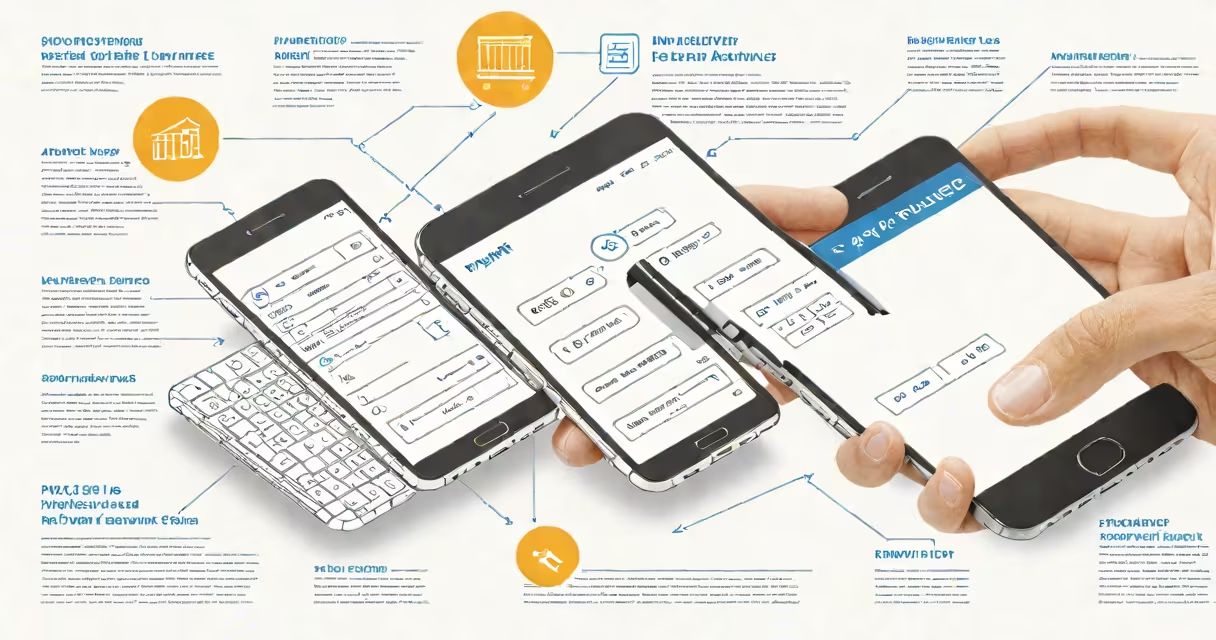
PayFlex is a buy-now-pay-later (BNPL) financing service that allows shoppers to make large purchases and pay them off in installments, often with no interest if paid on time. It operates behind the scenes at retail checkout points, offering deferred payment options without requiring a traditional credit check.
Unlike credit cards, PayFlex doesn't report to major credit bureaus unless a payment is missed. It's used by over 10,000 retailers across North America, including stores like Best Buy, Home Depot, and Lowe's. The service is powered by Flex, a financial technology company based in New York.
When a customer selects PayFlex at checkout, they receive a payment schedule-typically 6 to 24 months-with fixed monthly amounts. If payments are made on time, the total cost remains unchanged. Late fees apply if payments are delayed beyond 15 days.
At checkout, a shopper chooses PayFlex as their payment method. The system instantly evaluates eligibility using soft credit checks and alternative data such as bank account history and transaction patterns. Approval happens in under 10 seconds.
Once approved, the customer signs a digital agreement outlining the repayment period, monthly amount, and total cost. The funds are disbursed directly to the retailer, not the consumer. The buyer then makes monthly payments through the PayFlex app or online portal.
For example, a $1,500 refrigerator purchase paid over 12 months results in $125 monthly payments. If all payments are made on time, the total cost stays at $1,500. Missing a payment triggers a late fee of $25 and may affect future access to the service.
PayFlex offers different payment structures depending on the retailer and product category. These are not standardized across all partners but follow common models:
| Offer Type | Interest Rate | Repayment Period | Use Case Example |
|---|---|---|---|
| Zero Interest for 12 Months | 0% | 12 months | Appliance purchase at Home Depot |
| Low Interest Installment | 9.99% APR | 24 months | Furniture purchase at Ashley Furniture |
| Deferred Payment (No Payments for 6 Months) | 0% until month 7 | 12 months | Electronics at Best Buy |
Not all offers are interest-free. Some carry annual percentage rates (APRs) ranging from 9.99% to 24.99%, especially for higher-risk borrowers. The APR is disclosed upfront during checkout.
Merchants set the terms based on their risk tolerance and profit margins. For instance, a store selling $2,000+ home security systems may offer 0% for 18 months to encourage larger sales, while a lower-margin electronics retailer might cap terms at 12 months with a modest interest rate.
PayFlex is not a credit card. It does not allow recurring spending or balance transfers. You cannot use it to withdraw cash or make purchases outside of the original transaction.
Another misconception is that PayFlex reports to credit bureaus. According to Flex's official documentation, PayFlex does not report to Equifax, Experian, or TransUnion unless a payment is more than 30 days late. This differs from many BNPL services that do report even on-time payments.
A key distinction: PayFlex is not a loan product issued by a bank. It's a merchant-financing solution. The money flows from Flex to the retailer, not from a lender to the consumer. The consumer owes Flex, not a financial institution.
I tested PayFlex during a kitchen remodel project. I bought a $3,200 range from a local appliance store that partnered with PayFlex. After entering my bank details and confirming my identity via mobile number, I was approved instantly. The app showed a 24-month term with $133.33 monthly payments and 0% interest. I made all payments on time and never saw a late fee. The experience felt smooth and transparent.
PayFlex increases average order values by 20% to 35% on average, according to a 2023 study by the National Retail Federation. Shoppers are more likely to buy expensive items when they can spread costs over time.
For retailers, PayFlex reduces cart abandonment. A 2022 report from McKinsey & Company found that adding BNPL options like PayFlex increased conversion rates by 15% in e-commerce and 12% in-store transactions.
PayFlex shifts credit risk from the merchant to Flex. If a customer defaults, the retailer still receives payment from Flex. This protects inventory and cash flow.
PayFlex also supports changing pricing. Stores can offer 0% interest promotions during holiday seasons without absorbing the cost themselves. Flex absorbs the interest loss, allowing merchants to run competitive deals.
PayFlex differs from other BNPL providers in several ways. Unlike Affirm or Klarna, which require users to create accounts and track multiple payment schedules, PayFlex integrates directly into the retailer's checkout flow. Users don't need to download an app or manage a dashboard.
Also, PayFlex does not charge early repayment fees. Customers can pay off their balance early without penalty. This contrasts with some BNPL platforms that impose fees for early settlement.
Comparison of key features:
| Feature | PayFlex | Affirm | Klarna |
|---|---|---|---|
| Account required? | No | Yes | Yes |
| Early payoff fee? | No | Yes (varies) | No |
| Credit bureau reporting? | Only if late (>30 days) | Yes (on-time and late) | Yes (on-time) |
| Soft credit check? | Yes | Yes | Yes |
These differences make PayFlex ideal for retailers focused on simplicity and speed. It's less suitable for consumers who want to track long-term borrowing history or build credit through consistent payments.
PayFlex is not available everywhere. It's offered only at partner retailers. Consumers must check if their preferred store supports it at checkout. The service is not available in all U.S. states due to state-specific lending laws.
PayFlex is a buy-now-pay-later solution that enables consumers to finance big-ticket purchases through retailers without needing a credit card. It functions as a deferred payment tool with clear terms, no hidden fees, and minimal impact on credit scores if managed responsibly.
Understanding what is PayFlex helps shoppers avoid debt traps and make informed choices. It's not a freebie-it's a structured payment plan with real obligations. When used correctly, it simplifies large purchases without long-term financial strain.